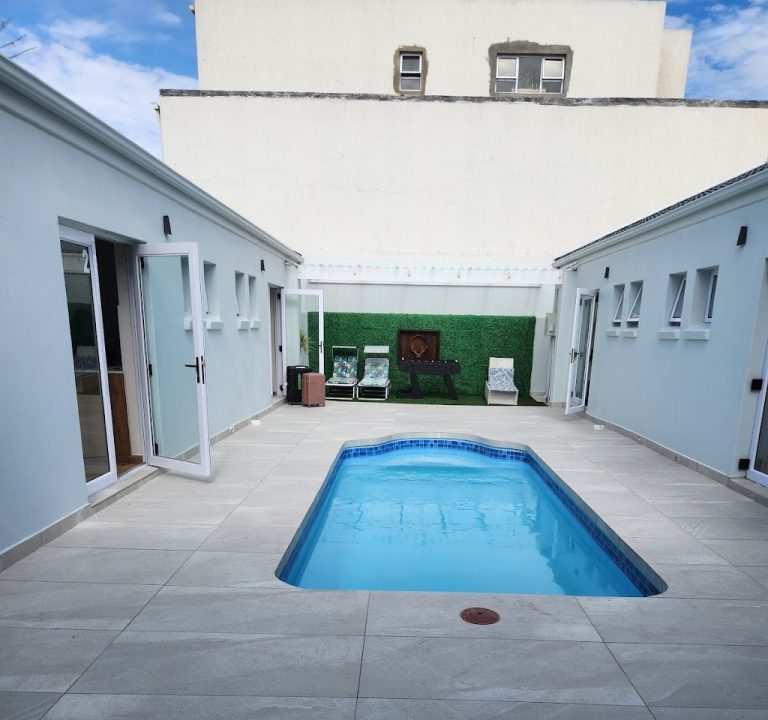
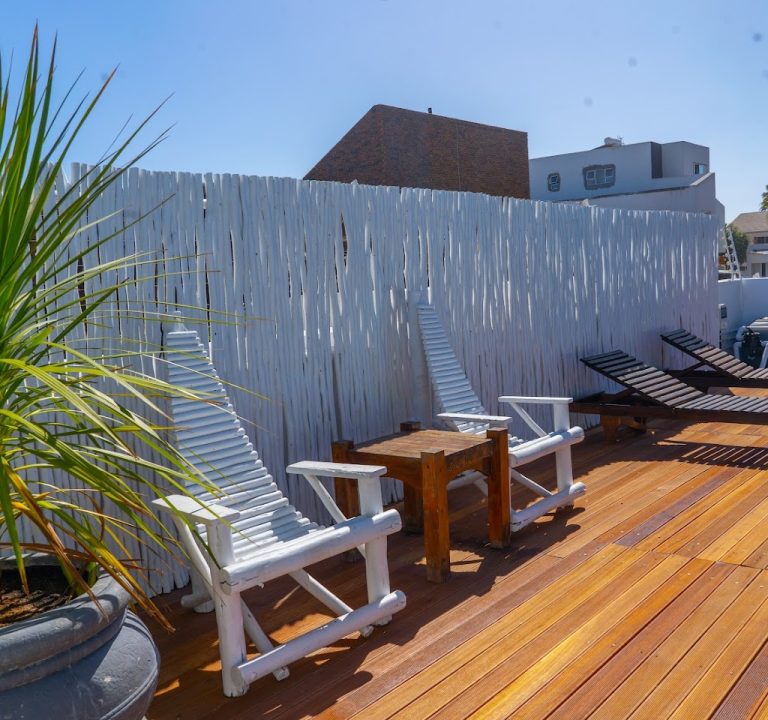
Accommodation and Attractions in Cape Town: Planning a Memorable Stay
Cape Town offers a diverse range of places to rest your head, from intimate B&Bs and guesthouses tucked away in leafy neighbourhoods to chic boutique hotels with sea views along the Atlantic Seaboard. Whether you crave table‑stopping dining, easy access to parks and beaches, or a base close to cultural highlights, the city invites you to tailor a stay that suits your pace and budget. When planning, it helps to think in terms of areas, transport options, and the kind of experience you want from your trip.
Neighbourhoods to consider include the City Bowl for a central, walkable base with easy access to museums and markets, or thefoothills of Table Mountain for a tranquil escape with mountain views. The Atlantic Seaboard—stretching from Green Point and Sea Point to Camps Bay and Bakoven—offers dramatic coastal scenery, promenades, and stylish dining. Constantia, in the southern suburbs, is ideal for wine lovers and quiet, leafy streets, while the Cape Winelands outside the city provide day trips to world‑class estates. If you plan to explore Robben Island or the V&A Waterfront, staying near the harbour area can cut travel time and maximise your sightseeing opportunities.
When booking, look for a few practical essentials. First, consider access to parking if you plan to hire a car, or ensure the property is well connected to public transport. Cape Town’s MyCiTi buses and MyCiTi-compatible routes, plus reliable ride‑hailing services, make day trips manageable, but a central location can save you time. Check the sleeping arrangements and whether rooms offer en‑suite facilities, white‑noise options for light sleepers, and air conditioning or heating to match the season. Breakfast inclusions can be a real convenience, particularly if you want to set out early for a full day; some properties also offer self‑catering kitchens or tea and coffee facilities. For families or longer stays, self‑catering units or apartments with lounges and separate bedrooms can be more comfortable and economical.
Typical amenities to expect include secure parking, complimentary Wi‑Fi, and thoughtful touches such as locally sourced toiletries, spare blankets, and quiet hours. Accessibility matters for some travellers, so filter for lifts or ground‑floor rooms if mobility needs exist. The booking policy is worth reading carefully: look for clear cancellation rules, whether amendments are allowed, and any penalties for late changes. Guest reviews are valuable, but balance them with the property’s stated services and your own priorities. If a guesthouse or boutique hotel highlights concierge assistance or in‑house dining, you’ll want to verify hours and whether reservations are needed for popular restaurants or tours.
Foodies will enjoy both on‑site dining options and nearby neighbourhoods with a rich culinary scene. In Cape Town, you’ll find everything from traditional South African flavours to modern fusion fare, with many establishments focusing on seasonal ingredients from coastal waters, winelands produce, and local farms. While it’s wise not to rely on any single recommendation for every meal, you can expect a mix of casual cafes, established bistros, and fine‑dining experiences within a short drive or stroll of most main‑stay areas. For a balanced itinerary, plan to pair a scenic day with a relaxed meal or sunset drink, especially along the Atlantic Seaboard where there are numerous eateries with sea views and outdoor seating. If you’re visiting during peak season, booking ahead for popular spots can help secure a table without long waits.
Accessibility to attractions is a key consideration for many visitors. Iconic sights such as the natural wonder of Table Mountain, the historic architecture of central streets, and sheltered beaches near coastal towns are all reachable with sensible travel planning. The city serves as a gateway to adventure activities like hiking, coastal walks, marine encounters, and wine‑tasting excursions in surrounding valleys. For a broader cultural experience, you might plan a day that combines a guided city outing with a stroll through local markets or galleries, followed by a relaxed dinner in a neighbourhood with a strong sense of place. If you’re visiting in peak months, early starts can help you enjoy outdoor venues before the heat or crowds set in.
Best time to visit Cape Town is generally in the late spring to early autumn months when the climate is mild and the sea is inviting, though summer brings peak beach activity. Spring and autumn offer pleasant temperatures for hiking and sightseeing with fewer crowds, while winter (June to August) brings cooler conditions and occasional rain, which can be perfect for a quieter city break paired with indoor cultural experiences and wine country day trips. Pack for a range of conditions: sun protection for coastal days, a light waterproof layer for changeable weather, and comfortable walking shoes for pavement and trails alike.
Practical tips to make the most of your stay:
- Book accommodation with refundable options where possible in case plans change.
- Ask about parking, access to lifts, and the proximity to main transport links for ease of travel.
- Consider a mix of accommodation types to balance cost, location, and experiences.
- Plan a flexible itinerary that allows for spontaneous activities and rest days.
- Use official tourism resources to identify reputable activities and reputable eateries; avoid over‑filling every day with fixed reservations.
For further inspiration and ideas on planning your itinerary, you can explore official Cape Town tourism resources and visit nearby regions for day trips. A well‑paced trip that balances restful stays with explorations of nature, urban culture, and remarkable dining will reveal the character of Cape Town: a city where scenery, hospitality, and gastronomy combine to create a memorable travel experience.