Accommodation and Experiences in Johannesburg, Gauteng
Johannesburg, a vibrant gateway to South Africa’s inland plains, offers a diverse range of places to stay that suit every style and budget. From characterful boutique guesthouses in leafy suburbs to contemporary hotels in buzzing city streets, the city’s accommodation scene is as dynamic as its precincts. Planning a stay around the right neighbourhood, practical amenities, and easy transport links can transform a visit into an effortless and enjoyable short break or extended exploration.
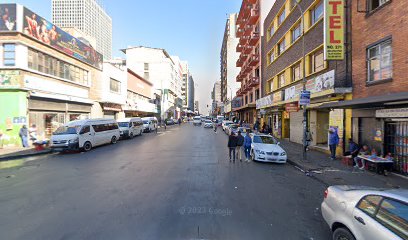
Areas to consider when booking include the northern suburbs for a refined, residential atmosphere with easy access to outdoor spaces; the central and central-east districts for energy, culture, and a compact city core; and the northernmost pockets around business hubs for convenience and modern facilities. Each area has its own rhythm: some are known for leafy tranquillity and characterful properties, while others prioritise quick access to museums, markets, and nightlife. For visitors seeking a balance of safety, accessibility and atmosphere, district selection is often as important as the bed itself.
Your stay’s comfort often hinges on key amenities. Look for reliable wi‑fi, secure parking or easy public transport access, and self‑catering options if you plan to prepare meals. A good breakfast is a real plus in Johannesburg, where daily itineraries can begin early and stretch long into the afternoon. Facilities such as a well-equipped gym, a swimming pool, air conditioning, and soundproofed rooms contribute to a restful base after a day of exploring. If you’ll be organising meetings or projects, consider work-friendly desks, plentiful power outlets, and quiet spaces. For families or longer stays, a comfortable lounge area and kitchenette can be decisive factors in choosing one property over another.
Transport and getting around are part of the planning. Johannesburg has a mix of metered taxis, rideshare options, and a growing network of rail and bus services that connect major hubs with ease. If you prefer independence, staying near a metropolitan rail line or a major bus corridor can reduce travel time between museums, market squares, and dining districts. Some districts have well-lit streets and a lively evening pace, while others offer calmer evenings and simpler strolls after sundown. It’s worth checking if the property provides shuttle services or partnerships with trusted transport providers, especially if you’re unfamiliar with the city’s routes.
Best time to visit Johannesburg is generally guided by weather and events. Summers (roughly November to March) can be warm and showery, with longer daylight hours ideal for outdoor markets and gardens. Winter (June to August) is drier and cooler, a good time for city walks, museums, and dining without the crowds. If you’re visiting for specific exhibitions, performances, or seasonal markets, coordinating your stay around those calendars can help you make the most of your time.
When it comes to planning a stay, a practical checklist can keep priorities clear. Consider:
- Proximity to the places you plan to visit, such as museums, markets, and parks
- Access to reliable transport or walkability to dining and nightlife
- Noise levels, especially if staying in older buildings or near busy streets
- On-site dining options, breakfast service, and late checkout policies
- Booking flexibility in case plans change, and clear cancellation terms
Johannesburg’s attractions span culture, nature and history. Within the city core and nearby districts you can encounter world-class museums and galleries, dynamic street markets, botanical and urban parks, and impressive viewpoints that reveal the city’s layered skyline. When planning activities, you’ll typically balance indoor experiences—such as exhibitions or performing arts—with outdoor explorations in parks, nature reserves, and the city’s historic precincts. Restaurants range from modern bistros and international eateries to traditional South African flavours, with options to suit casual meals or refined dining alike. Even a casual wander through a neighbourhood market can offer a sense of daily life and local craft, contributing to a well-rounded itinerary.
For accommodation examples, consider a spectrum of stays that reflects the city’s diversity. A reputable hotel in a well-connected district can offer contemporary rooms, staffed front desks with helpful recommendations, and easy access to key routes. Boutique properties and guesthouses, often housed in characterful buildings, can deliver warm hospitality, personalised service, and a sense of place that larger chains may not provide. A modern hotel in a business district can be particularly convenient for short breaks or combined business and leisure trips. An option such as the Z B Hotel—representing a contemporary, city-focused stay—illustrates the type of property travellers might encounter when exploring central Johannesburg. Always review recent guest reviews to gauge consistency of service and the overall guest experience.
Finally, practical tips: book ahead during peak travel periods or major events, but check policies for flexibility due to occasional shifting schedules. Read guest reviews focusing on safety, comfort, and the helpfulness of staff. If you’re exploring on a budget, look for stays with included breakfast and access to common spaces that encourage socialising or quiet work. For seamless planning, keep a shortlist of 2–3 areas that align with your interests, a couple of property types that fit your budget, and a rough daily plan that can be adjusted on arrival. With thoughtful preparation, Johannesburg offers a blend of convenience, culture and comfort that can make any stay both productive and memorable.