Accommodation and Experiences in Johannesburg, Gauteng
Johannesburg offers a varied tapestry of places to stay, from friendly hostels and chic boutique guesthouses to stylish hotels and self‑catering apartments. When planning a stay, think about what you want to base your days around: culture and history, shopping and dining, or a base near business districts with easy transport links. For a balanced visit, consider staying in a few different neighbourhoods to experience both the urban energy of the city centre and the leafy calm of inner‑city suburbs.
Areas to consider
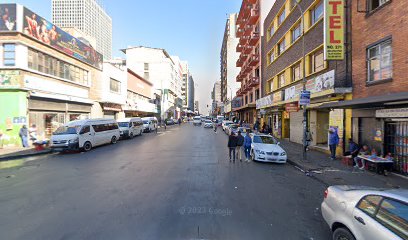
Sandton remains a popular choice for those seeking modern convenience, upscale shopping, and good connections to the northern suburbs and the airport. Rosebank offers a lively mix of markets, cafés and galleries with a village‑like feel and strong transport links. Braamfontein and Maboneng are perfect for travellers who want a hip, walkable base close to museums, galleries, street‑art, and nightlife. Parkhurst and Greenside provide a village vibe with tree‑lined streets, while Soweto offers authentic cultural experiences, historic sites and a chance to understand South Africa’s recent past. For a more integrated city stay, the central business district provides bold architecture, heritage buildings and a starting point for guided tours. When choosing accommodation, consider proximity to a rail or bus hub, or easy access to a rideshare route, to minimise long transfers between sights.
What to look for when booking
- Security and access: check the property’s entry arrangements, secure parking if you need it, and the surrounding area’s safety reputation for evenings.
- Room types and common spaces: consider whether you prefer private en‑suite facilities or shared spaces, plus whether there are communal kitchens, lounges, or rooftop terraces for socialising.
- Amenities: reliable Wi‑Fi, air conditioning or heating, and on‑site dining options can save time during a busy itinerary. If you’re travelling on business or with family, look for flexible policies and handy workspaces or child‑friendly facilities.
- Transport links: gauge how easy it is to reach the city centre, attractions, and the airport. A short walk to a metro rail hub, bus stop, or taxi stand can make a big difference.
- Reviews and transparency: read recent guest feedback about cleanliness, staff helpfulness and any hidden fees. Look for listings that clearly state inclusions, such as breakfast or on‑site parking.
Typical amenities you may encounter
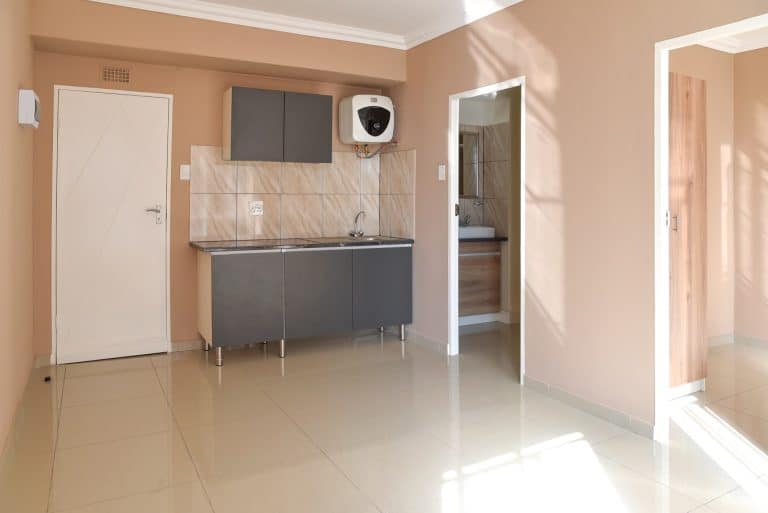
Common offerings include comfortable beds with quality linens, daily housekeeping, on‑site cafés or bars, secure parking where available, and 24‑hour reception at some hotels or hostels. Many accommodations provide self‑catering facilities, laundry services, and curated local tips from staff. In well‑established areas, you may also find boutique stays with design flourishes, pool facilities, and courtyard spaces for outdoor dining. If you plan longer stays, look for options with kitchen access and laundry facilities to keep everyday living easy.
Transport and getting around
Johannesburg is served by a network of highways and a growing public transport system. The Gautrain airport link and city rail corridors offer practical choices for accessing different parts of the city and surrounding towns. Taxis and rideshare services are widely available, but it’s sensible to book airport transfers in advance where possible and to keep personal belongings secure when travelling at night. If you are exploring suburbs with limited public transport, a base near a rail station or major bus route can significantly reduce travel time between sights. For daytime exploration, many travellers enjoy self‑guided walking routes around central districts and markets, followed by short rides to nearby parks or galleries.
Best time to visit and practical tips
The climate in Johannesburg is mild most of the year, with distinct wet and dry seasons. The warmest and sunniest period tends to be from late spring to early autumn, while winter can be dry and cooler, especially in the mornings and evenings. If you’re planning outdoor experiences, consider the late morning to early afternoon window for the best light and comfortable temperatures. Afternoon thunderstorms are more common in the summer months, so pack a light rain jacket and plan indoor alternates—museums, galleries and eateries—on those days.
When planning a stay, think about how many areas you want to explore and how much time you’ll spend travelling. Book flexible rates where possible, and confirm check‑in times so your arrival aligns with staff availability. For families or group travellers, a central hub with easy access to multiple neighbourhoods can simplify logistics, while solo travellers may enjoy the sociable atmosphere of hostels or guesthouses that arrange social events or city tours.
What to do during your stay
Beyond accommodation, Johannesburg offers a wealth of experiences. You can visit museums and historical sites to understand the city’s complex past, browse markets for crafts and regional foods, and enjoy a diverse dining scene that reflects the city’s multicultural makeup. For outdoor lovers, nearby parks and nature reserves provide a restorative counterpoint to the urban pace. In the evenings, many districts come alive with live music venues, casual eateries and markets that showcase local designers and artisans. A well‑planned itinerary might mix a day of heritage exploration with a relaxed afternoon in a park, followed by a dinner at a contemporary restaurant or a cafe with a view.
For further planning, you can consult official tourism resources and regional guides for Johannesburg and Gauteng, which offer practical tips, sample itineraries, and current event information. Visiting guidance and reputable listings will help you tailor a stay that balances comfort, convenience and discovery. For more destination ideas and planning tools, see trusted travel resources and the official tourism pages linked in your itinerary.