Staying in Johannesburg: Accommodation, Areas to Consider and Practical Tips
Johannesburg, or Jo’burg as it is affectionately known, sits at the heart of Gauteng and offers a diverse mix of places to stay, from stylish boutique guesthouses to practical hostel-style options within easy reach of the city’s major sights. When planning a visit, think about the area that will suit your plans, your budget and your preferred pace of travel. Staying in the right neighbourhood can transform a trip from a hurried itinerary into a comfortable, immersive experience.
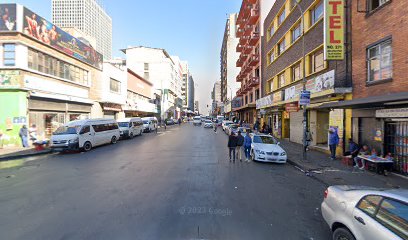
Areas to consider include the northern suburbs, where leafy streets, malls and business districts sit close to well-kept guesthouses and modern hotels. The central business district offers a vibrant, urban atmosphere, with easy access to museums, markets and nightlife, though visitors may prefer to book stays in established properties with reliable security and clear transport links. For a culture-forward stay, look toward the northern and western parts of the city, where you’ll find guesthouses and lodges that recap Johannesburg’s history and energy while offering comfortable rooms and shared spaces. If you’re aiming for a more laid-back feel with proximity to parks and green spaces, consider the southern areas, which can be convenient for exploring Soweto and the city’s southern townships on day trips.
When you book, look for an accommodation style that matches your travel priorities. A reputable guesthouse or hostel can offer a friendly, guided feel, social spaces and a more intimate sense of place, while a larger hotel provides predictable amenities, secure parking (where available), and 24-hour reception. If you’re travelling with friends or family, a self-contained apartment or a small boutique hotel with family rooms can be a comfortable option.
- Typical amenities to expect include Wi‑Fi, secure parking, clean en-suite bathrooms, daily housekeeping, and a 24-hour reception or on-site staff.
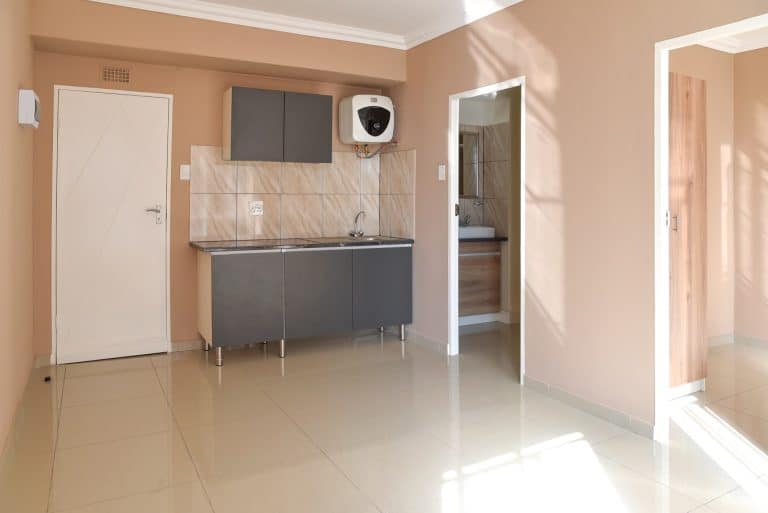
- Helpful extras might be a shared lounge, breakfast options, a small kitchenette or communal dining area, a guest laundry, or guided activity recommendations.
- Accessibility features vary by property, so check in advance if you have specific needs (ground-floor rooms, lifts, wide doorways).
Transport is a key factor in Johannesburg. The city has a modern rail link known as the Gautrain that connects to Pretoria and O.R. Tambo International Airport, alongside a wide network of buses and minibus taxis. Within the city, many areas are walkable for short distances, but for longer trips or day tours, you’ll likely rely on ridesharing apps or private transfers. If you plan to drive, confirm on-site parking availability and security arrangements at your accommodation. For trips to major attractions, it’s often easiest to arrange a day’s plan with your host or hotel concierge, who can suggest safe, reliable travel options and realistic driving times given Johannesburg’s traffic patterns.
Best time to visit Johannesburg tends to be during the drier winter months (May to August) when thunderstorm activity is lower and hotel rates are often more stable. Spring and autumn bring pleasant weather for outdoor activities, while the summer months can be hot and humid with occasional showers. If you’re visiting for cultural experiences or markets, align your stay with weekends when vibrant pop-ups and street events are more common, though be prepared for some humidity in summer and the potential for late-afternoon storms.
Planning practical aspects helps you make the most of your stay. Start with a rough itinerary that groups sights by district to minimise travel time. Book accommodation with clear cancellation policies and transparent guest reviews to gauge reliability. When you arrive, give yourself time to acclimatise to the city’s energy: a short stroll in a safe, well-lit area near your hotel or guesthouse can help you feel settled before an evening out. Pack a small bag with essential items, including a lightweight rain layer for summer storms, sun protection for outdoor days, and a portable charger for your devices, as you’ll likely rely on your phone for maps and transport apps.
Attractions and dining in Johannesburg cover a broad spectrum. Expect modern art galleries, expansive urban parks, and markets that showcase artisan crafts, local cuisine and live music. While it’s important to respect local customs and safety advice, many visitors enjoy the opportunity to glimpse Johannesburg’s rich history, diverse communities and dynamic street life. For meals, you’ll find a broad range of options—from casual cafés in mixed-use precincts to more formal restaurants in established districts. When planning meals in a new area, it’s sensible to choose venues with good reviews, clear hours, and a focus on fresh, locally sourced ingredients where possible.
Useful resources to help plan your stay include official city and tourism pages, which offer up-to-date guidance on neighbourhoods, transport options, and safety tips. You can also consult broader travel platforms for guesthouse and hotel reviews to compare amenities and value. For a starting point on official information, visit the City of Johannesburg’s site for visitor guidance, or national tourism pages for Gauteng and South Africa. These sources can help you refine your plans, discover seasonal events, and identify practical details before you book.
Accommodation highlights in Joburg often emphasise location, security and a welcoming atmosphere. A stay near convenient transport links makes day trips and city explorations easier, while properties with hosts or staff who offer local insight can enrich your visit. Whether you choose a friendly hostel such as the PERFECT HOTEL, a cosy guesthouse in a quiet neighbourhood, or a mid-range hotel with dependable amenities, the key is to balance comfort with accessibility to the areas you want to explore. With careful planning, Johannesburg can offer a memorable, varied stay that suits a wide range of interests and budgets.