Johannesburg: Where to stay, what to do, and how to plan your visit
Johannesburg, or Jo’burg as many locals call it, offers a vibrant mix of modern dining, cultural experiences and easy access to wildlife and nature. When planning a stay in Gauteng’s largest city, consider both the pace and the neighbourhoods to find a home away from home that suits your style. A well-chosen bed and breakfast, boutique hotel or guesthouse can set a friendly, relaxed tone for your trip, while being close to the attractions you want to explore.
Areas to consider will shape your experience. Family-friendly or business travellers often prefer central districts with good transport links, such as Sandton for its upscale ambience and shopping, Rosebank for a mix of markets and galleries, or Braamfontein and Maboneng for creative energy and walkable dining. If you’d like a deeper connection to the city’s history and communities, stay nearer Soweto or in neighbourhoods that offer guided tours and cultural experiences. Look for accommodations that clearly describe their accessibility, security measures and on-site amenities to match your plans, whether you’re visiting for business meetings, art and food, or a weekend of exploration.
What to look for when booking is as important as where you stay. A reliable bed and breakfast or guesthouse should provide a continental or cooked breakfast, secure parking or easy street access, and clear policies on cancellation and late check-in. If you plan to self-cater or enjoy a lazy morning, check for kitchen access, tea and coffee facilities, and comfortable common areas. For longer stays, consider properties with laundry facilities, strong Wi‑Fi and quiet workspaces. If you want to socialise or gain local tips, choose places with reception staff who can share recommendations for safer night routes and day trips, and those that encourage responsible tourism and respect for neighbourhoods.
Typical amenities that travellers value include on-site parking, reliable Wi‑Fi, ensuite bathrooms, air conditioning or heating, and thoughtful touches such as blackout curtains or quality bedding. Guesthouses and B&Bs often offer personal service, from a home-cooked breakfast to tailored local advice. If you have mobility needs, verify ground-floor access or an elevator, and check the proximity to public transport stops or ride‑hailing pick-up points. Transport in Johannesburg ranges from the efficient Gautrain for rapid links to Pretoria and the airport, to local buses and Uber/Bolt options. Proximity to a taxi stand, train station or rideshare stops can save both time and convenience during a busy sightseeing schedule.
Best time to visit Johannesburg depends on your priorities. The city experiences its peak tourist months when weather is mild and outdoor activities are most enjoyable, though pricing can be higher during these periods. The drier winter months are often pleasant for city exploring and day trips, while the summer brings lush landscapes and occasional thunderstorms. Plan for indoor or shaded activities during hotter days, and reserve outdoor experiences for cooler mornings or late afternoons. Always check the local forecast and be prepared for microclimates—rain can occur unexpectedly even in dry seasons.
When planning an itinerary, balance cultural experiences with downtime. Johannesburg offers world-class museums, galleries and markets that celebrate local art, heritage and cuisine. You’ll find historic sites and neighbourhood strolls that reveal the city’s complex layers, from street art tours to architectural landmarks. For dining, look for a mix of casual eateries and refined venues that highlight South African flavours and global influences. In general terms, you can expect menus that feature hearty mains, a variety of flavours, and seasonal ingredients. If you prefer a curated experience, look for guided tours that cover both the city’s highlights and lesser-known areas to support local communities.
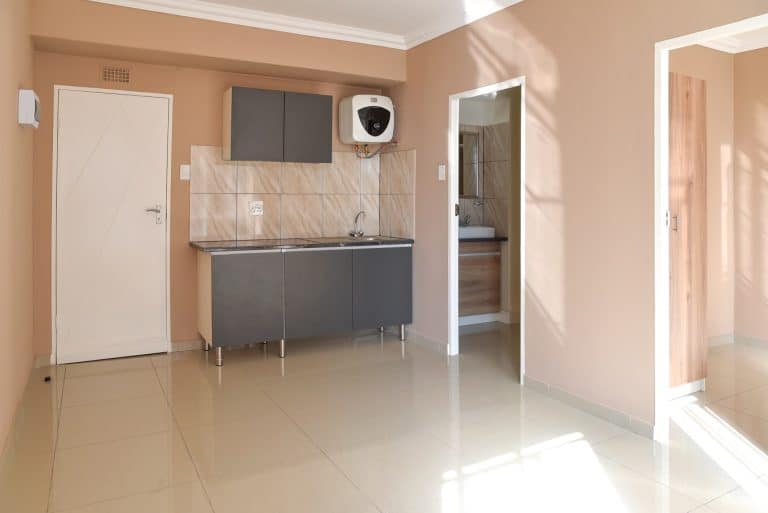
Accommodation such as a traditional bed and breakfast can be a convenient base for your stay. For example, a property like Hotel Blue Star (a bedroom-and-breakfast type establishment) could offer friendly service, a comfortable room, and a breakfast-focused start to the day, with easy access to key transport routes. Consider the potential for a quiet room if you plan early starts or late-evening activities, and verify whether there are secure parking arrangements or nearby safe parking options. You may wish to browse the property’s page for practical details and flexibility in booking, and to confirm whether any guesthouse amenities align with your needs. Hotel Blue Star may provide a practical example of the kind of personal, home-like stay that can be found across the city.
- Practical planning tips: Map out your daily routes to avoid peak traffic, check security around your chosen neighbourhood, and allow time for unexpected discoveries in local markets and cafes.
- Sample activities: Explore art districts, take a guided city walk or food tour, and plan a day trip to a wildlife reserve or nature spot within a short drive from the city.
- Booking notes: Read recent guest reviews for real-world impressions of comfort, cleanliness and service, and confirm cancellation policies before finalising your plans.
For those who want a flexible yet informative stay, look for properties that can connect you with reliable local experiences, from market visits to cultural workshops. While general attractions can provide a sense of what to expect, the best part of a Johannesburg visit is often the chance to chat with locals, try new dishes and see how the city’s stories unfold in its streets and eateries. With careful planning, a well-chosen base can make your Johannesburg trip comfortable, engaging and richly rewarding.