Accommodation and Attractions in Johannesburg: Planning Your Stay
Johannesburg, often shortened to Jo’burg or Jozi, offers a vibrant mix of modern hotels, boutique guesthouses, and convenient apartments that suit a range of travellers. Whether you are in the city for business, arts and culture, or a family break, a well-chosen base can make all the difference to your South African adventure. Planning your stay around neighbourhoods, amenities, and transport links will help you maximise time and minimise hassle.
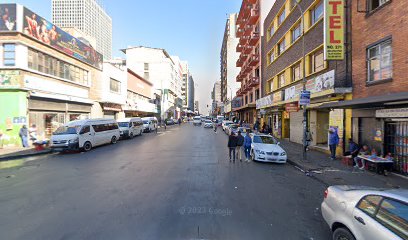
Think about which areas align with your itinerary. The central business district and surrounding inner cities buzz with daytime activity, cultural venues, and easy access to fast, affordable transport. Sandton is renowned for upscale shopping, corporate facilities, and well-appointed hotels, while Rosebank and Melville offer a mix of boutique stays, eateries, and a more relaxed vibe. For a leafy residential feel and parks, consider northern suburbs such as Fourways or Bryanston, where many contemporary accommodation options cater to families and longer visits.
When choosing a place to stay, look for certain features that can enhance your experience. Practical amenities such as reliable Wi‑Fi, secure parking or easy taxi access, 24-hour reception, and airport transfers can be especially useful. On-site dining, a safe neighbourhood near your accommodation, and proximity to public transport or ride-hailing options also help reduce daily planning. If you are exploring with a car, check whether the property offers self‑catering facilities or a kitchenette, which can provide flexibility for breakfasts or light meals after late outings.
Typical accommodation types to consider include:
- City centre hotels with modern rooms and business facilities
- Boutique guesthouses offering personalised service and breakfast options
- Self‑catering apartments for longer stays or family trips
- Family‑friendly lodges in adjacent neighbourhoods with secure parking
When it comes to transport, Johannesburg has a range of options. Taxis and ride‑hailing services are widely available, and some areas are well served by bus routes and limited rail lines. If you plan to explore beyond the city core, a car can be convenient, but always assess safety and parking arrangements. Many travellers also combine day trips to the nearby Cradle of Humankind or the Walter Sisulu National Botanical Garden with convenient base locations in the northern suburbs or Sandton for a balanced itinerary.
Best time to visit Johannesburg is generally determined by climate and events rather than a single peak season. Summer (roughly November to February) brings warm days with regular afternoon showers, ideal for outdoors and exploring parks, but be prepared for late-afternoon storms. Winter (June to August) is typically dry and mild, with cooler mornings and evenings; this season can be excellent for city sightseeing and dining experiences without the crowds. Spring and autumn bring pleasant temperatures and are a good compromise for travellers who want comfortable days without peak heat.
Practical tips for a smoother stay include planning some days around mornings at urban markets, parks, or museums to avoid peak heat, and reserving popular restaurants or experiences in advance, especially on weekends. It’s wise to have a flexible plan that allows for indoor options on rainy days, as weather can be unpredictable.
Accommodation in Johannesburg often positions guests near a mix of attractions and experiences. In broad terms, you can expect museums and galleries telling South Africa’s stories, historic precincts with preserved architecture, modern shopping districts, and vibrant street markets. For those seeking outdoor time, nearby parks, viewpoints, and nature corridors provide opportunities for walking, photography, and picnics. While attractions can vary in scale and focus, most visitors will encounter welcoming neighbourhoods, a diverse culinary scene, and venues that showcase regional crafts and cuisine.
As for dining, you should anticipate a broad spectrum of options, from casual cafés and street‑food stalls to contemporary restaurants and upmarket eateries. A common approach is to pair a day of sightseeing with a relaxed dinner in a neighbourhood known for its culinary mix. When choosing a restaurant, check whether it offers outdoor seating, regional dishes, or contemporary interpretations of local flavours. Many places also provide menus with adaptable options to suit dietary preferences.
One practical thought for travellers is to identify a potential anchor stay—an accommodation that you enjoy or that has a convenient location for the first and last days of your trip. For example, a well‑situated option in central Johannesburg or a northern suburb can serve as a comfortable base from which to explore the broader Gauteng region. In some cases, travellers consider notable properties such as DDP Africa Hotel as a reference point within the city’s hotel landscape, using it to compare location and amenities with other choices.
Ultimately, planning a Jo’burg stay is about balancing convenience, comfort, and discovery. By selecting the right neighbourhood, confirming essential amenities, and building a flexible itinerary around transport and practical tips, you can enjoy a dynamic city experience that complements South Africa’s broader travel landscape. Whether your focus is business, culture, or family adventures, Johannesburg offers a range of welcoming stays and experiences to make your trip memorable.