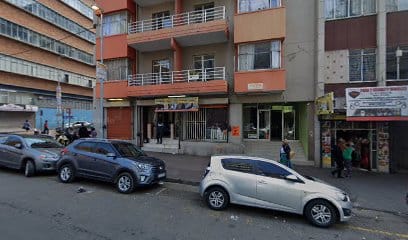
Stay in Johannesburg: a traveller’s guide to accommodation and experiences
Johannesburg, a dynamic gateway to South Africa’s riches, offers a wide range of places to rest, from stylish boutique guesthouses to modern city-centre hotels and comfortable family stays. When planning a visit, think about which neighbourhood will frame your days and what kind of pace you want. The city’s spread-out nature means that your accommodation can shape your experience almost as much as the attractions you choose to explore.
Areas to consider include lively city-centre districts with easy access to business hubs and nightlife, up-and-coming neighbourhoods known for street art and eateries, and leafy suburbs that feel more residential and relaxed. The city centre (often called the CBD) puts you within striking distance of museums, markets, and rapid transport links. Sandton, Rosebank, and Melrose Arch offer a more polished, often higher-end experience with shopping, dining, and convenient Gautrain connections. For a creative vibe with boutique stays, areas such as Braamfontein and Maboneng offer trendy cafés and galleries. Soweto, on the city’s south-western edge, provides a distinct cultural layer and guided experiences that give colour to any trip.
Typical amenities to look for when booking include secure access, 24-hour front desk support, reliable Wi‑Fi, comfortable beds, and en-suite bathrooms. If you are travelling with family or a larger group, properties that offer family rooms, kitchenette facilities, or self-catering apartments can be particularly convenient. Some guests appreciate on-site dining, fitness facilities, or a pool to relax after long days of sightseeing. Parking may be essential if you hire a car, while a central location with walkable neighbourhoods can reduce the need for frequent transport use.
Transport in Johannesburg is efficient when planned well, but the city is large and traffic can be busy. The Gautrain is a popular option for fast, direct journeys between Sandton, Rosebank, and the airport, while local taxis or ride-hailing services are convenient for shorter hops. If you prefer flexibility, consider accommodation with easy access to main roads or public transport hubs. When staying in central districts, you’ll often find most attractions reachable by a short stroll, a short taxi ride, or a quick ride on public transport.
Best time to visit Johannesburg tends to be during the dry winter months from May to September, when days are cool and sunny and rain is less likely. Summer (October to April) brings higher temperatures and afternoon thunder showers, which can be refreshing after a day of touring, but expect more humidity. If your trip centres on outdoor markets, parks, or city walking tours, plan for mornings and late afternoons when light and temperatures are pleasant.
When it comes to planning a stay, a few practical tips can help you get more from your visit:
- Book flexible rates where possible, especially if you’re unsure about exact dates or plan to stay longer than initially planned.
- Check for secure access and good street lighting in the area you choose to stay; safety is important, particularly in busier districts after dark.
- Look for properties with reliable Wi‑Fi, a comfortable work space if you need to stay connected, and clear information about local transport options.
- Consider breakfast inclusion or access to a kitchen if you want to save time and money on meals.
- Ask about proximity to rail links or major roads to minimise travel time between sights and dining you’re interested in.
Around Johannesburg, attractions span history, culture, and nature. You can expect space to reflect the city’s contrasts: modern towers and markets, quiet green spaces, and commemorations of South Africa’s complex past. Dining scenes range from bustling street-food hubs to contemporary restaurants offering inventive local flavours. In addition to a variety of eateries, you’ll find casual cafés and farmers’ markets that showcase regional produce and artisanal goods. If you are seeking guided experiences, you’ll have access to neighbourhood walking tours, cultural tours, and curated day trips that help you understand the city’s diverse communities.
When planning a stay, consider pairing your accommodation choice with a few planned experiences. A day exploring historic districts or vibrant markets can be balanced with a quieter stay in a leafy suburb or a boutique property with a relaxed atmosphere. If weather permits, outdoor spaces such as parks and urban gardens provide a pleasant counterpoint to gallery-hopping and museum visits. For more inspiration and practical planning, you can consult city tourism resources and booking platforms for up-to-date information on neighbourhood highlights, transport options, and upcoming events. For ideas on places to stay and plan ideas, explore official tourism sites and well-reviewed accommodation providers through their websites.