Exploring Johannesburg: Where to stay, what to see, and how to plan your visit
Johannesburg, often simply called Jo’burg or Jozi, is a vibrant gateway to Gauteng’s cultural heritage, lush parks, and dynamic dining scenes. When planning a stay, travellers should weigh neighbourhoods by pace, proximity to the city’s key sights, and ease of access to public transport. From smart boutique guesthouses in leafy suburbs to contemporary hotels in the heart of the city, there are options to suit a range of budgets and itineraries.
Accommodation in Johannesburg typically centres on a few well-established areas. The northern suburbs offer a tranquil, residential atmosphere with boutique stays and modern guesthouses set against tree-lined streets. The city centre and nearby business districts present a buzzy, urban experience with stylish hotels, serviced apartments, and guesthouses that provide convenient access to museums, markets, and nightlife. For easy access to cultural attractions and Soweto, several lodges and guesthouses in southern and western pockets of the city make a practical base. When choosing where to stay, consider your planned activities, the noise tolerance of the building, and whether you’ll need parking or reliable taxi and ride-hailing options at night.
What to look for when booking a place to stay in Johannesburg:
- Proximity to your planned activities, museums, or experiences, and access to safe, well-lit routes at night.
- Transport connections, including easy access to major highways, taxi services, and public transport links such as metro lines or bus routes.
- Typical amenities, such as reliable Wi‑Fi, secure parking, a self‑catering option, and a comfortable workspace if you are combining work with travel.
- Guesthouse or hotel character, including personalised service and local recommendations from hosts who can tailor itineraries.
- Safety and neighbourhood atmosphere, particularly if you plan to explore districts after dark.
Typical amenities you might encounter include complimentary breakfast, on-site parking, 24-hour reception or secure access, air conditioning, and self-catering facilities in some units. For those seeking a more intimate stay, guesthouses often feature personalised touches, such as home-cooked meals or hosts who can arrange guided walks and private tours. Where possible, read recent guest reviews to gauge cleanliness, responsiveness, and the real daily experience of staying there.
Transport is a key consideration in Johannesburg. The city has a network of Gautrain stations connecting Johannesburg with Pretoria and the OR Tambo International Airport, along with local bus and ride-hailing services. If you plan longer day trips or late-night outings, staying closer to central hubs or guesthouses with good reception hours and trusted recommendations can ease daily logistics. For visitors who prefer to explore at their own pace, a stay with on-site parking or easy access to safe parking facilities is advantageous.
Best time to visit Johannesburg is generally during the southern hemisphere’s autumn and spring months, when temperatures are mild and outdoor activities are comfortable. Rentals and guesthouses may see higher demand during major cultural festivals and school holidays, so booking ahead is advisable. Summer brings occasional afternoon showers, but it also bathes the city in green during the rainy season. If you plan to combine city sightseeing with nature escapes in nearby parks or winelands, consider pairing an urban stay with a day trip to the surrounding Gauteng attractions.
Practical tips to make the most of your stay in Johannesburg:
- Plan a mix of experiences, from museum visits and markets to neighbourhood strolls and light outdoor activities in safe, well-populated areas.
- Ask hosts or hotel concierges for up-to-date safety advice and the best times to visit local hotspots to avoid crowds.
- Carry a small amount of local currency for markets and casual eateries, while most larger venues accept cards.
- Pack comfortable footwear for urban exploring and a light layer for evenings, which can be cooler than daytime temperatures in certain seasons.
- Check the availability and accessibility of Wi‑Fi if you intend to work remotely or stream while travelling.
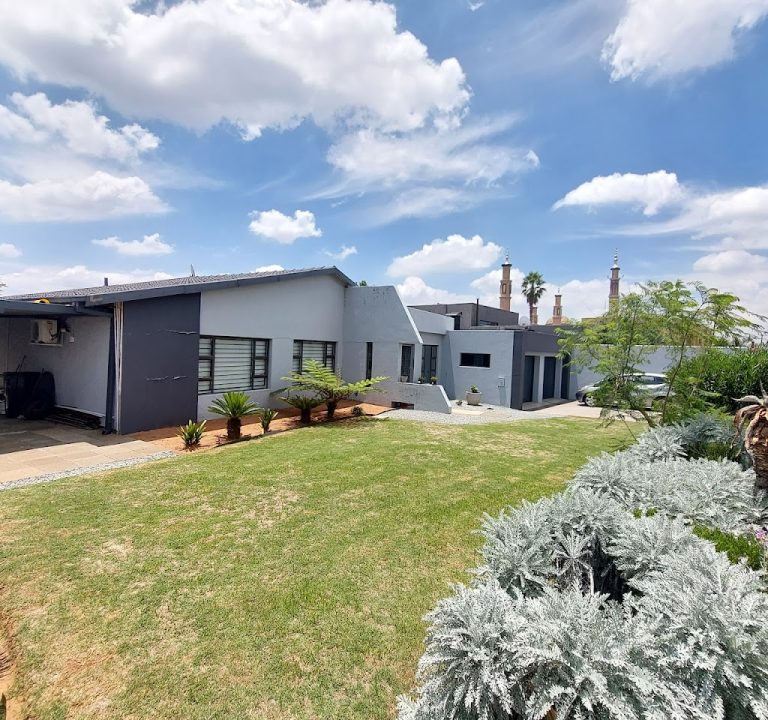
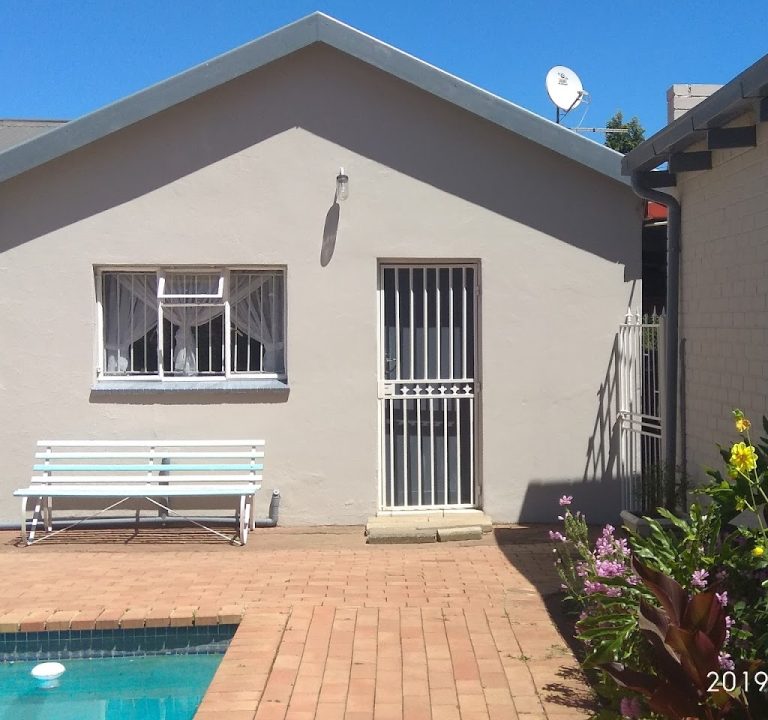
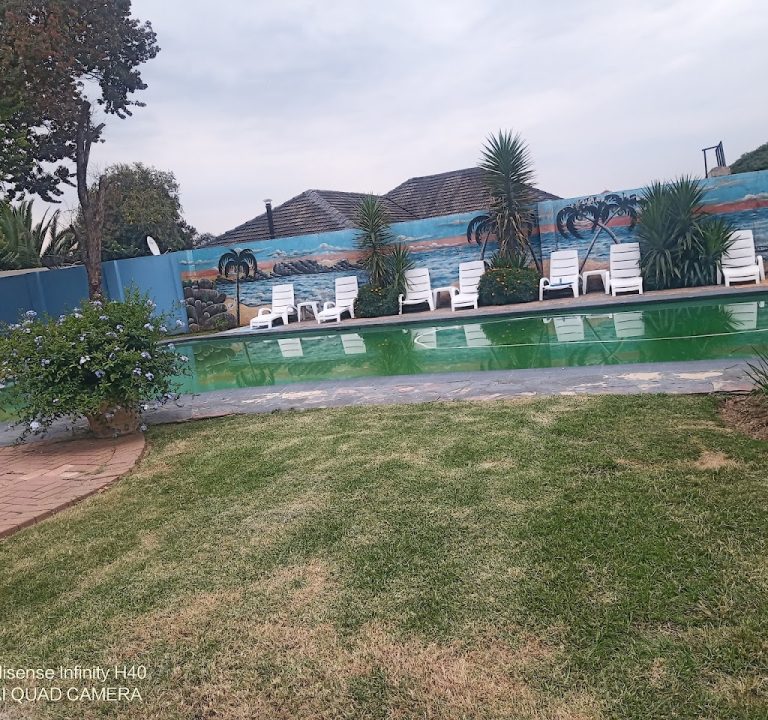
Spotlight on a sample lodging option to consider is Xavier Guest House, a guesthouse listed with a booking platform that highlights a comfortable stay with guest-focused service. For more details, prospective guests can visit the property’s page on the platform to review room configurations, policies, and guest feedback, or explore other similar stays in the area. Linking to official listings helps you compare value, location, and personal touches offered by hosts without committing to a specific amenity set.
When exploring attractions and dining, Johannesburg offers a broad spectrum from galleries and markets to casual eateries and refined dining experiences. General terms describe a city where art, history, and design intersect with a lively street-food and café culture. Depending on your interests, you might tailor your days around core museums and design districts, paired with neighbourhood eateries that showcase contemporary South African cuisine and international flavours. Always allow a portion of your itinerary for spontaneous discoveries—markets and open-air spaces often reveal unexpected favourites, from classic cafés to modern eateries and family-run bistros.
In summary, a well-planned Johannesburg stay blends a comfortable base with flexible days of exploration. By weighing neighbourhoods against transport needs, listing essential amenities, and tapping into local insights, visitors can craft a balanced itinerary that makes the most of Gauteng’s capital city.