Johannesburg: Accommodation, attractions and planning your stay
Johannesburg offers a lively mix of neighbourhoods that suits a range of tastes and budgets, from boutique guesthouses to modern hotels and lodges. When planning a stay, consider what you want to get from the city: a buzzing urban scene with street art and markets, easy access to business districts, or a gateway to nature and history. In central belts such as Sandton, Rosebank and Braamfontein, you’ll find a dense selection of accommodation, dining and transport links, while areas like Maboneng, Newtown and Sentinel Hill provide a more experiential, artsy flavour. Soweto, reached by short drives or organised tours, brings a compelling historical dimension and a different pace of life.
A balanced approach to booking often means choosing a lodging that aligns with your priorities. For many visitors, a comfortable bed, reliable Wi‑Fi, secure parking or convenient transport access, and a generous breakfast are high on the list. If you plan to explore on your own timetable, consider self-catering options or places that offer kitchen facilities. If you’re visiting for business or conferences, proximity to business districts and quiet rooms for calls can be essential. A well-situated guesthouse or boutique hotel can also become part of your daily plan—allowing you to walk to markets, cafes, and galleries rather than relying solely on taxis.
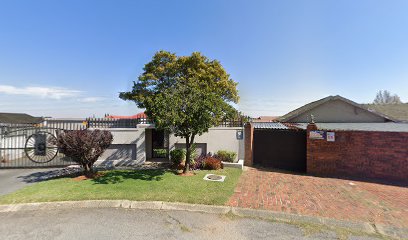
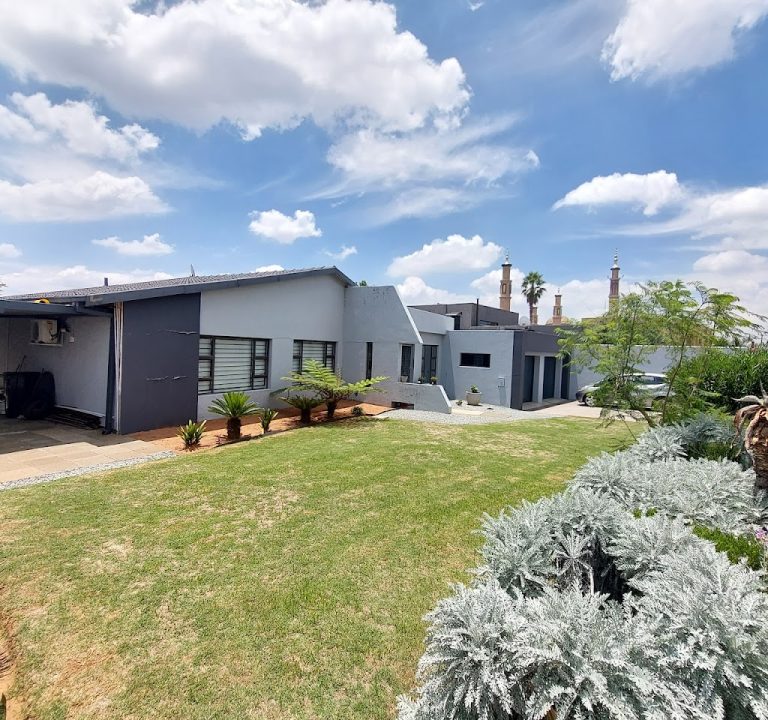
Kwa – Bungane Guest House is an example of lodging that may be found in Johannesburg’s varied landscape. Lodges and guesthouses in the city often blend African flavour with modern amenities, offering personalised service, comfortable rooms, and easy access to major routes. When you’re researching, look for properties that emphasise guest safety, on-site parking, reliable housekeeping, and clear policies on cancellations and amendments.
Typical amenities to look for include free or included breakfast, strong Wi‑Fi throughout the property, secure parking or easy public transport access, in-room hospitality trays, and 24‑hour front desk or on-site staff for assistance. If you value a social vibe, some neighbourhoods feature common lounges, courtyard spaces or rooftop terraces where guests mingle. Where possible, choose properties with security features such as securely locked entrances and safes in rooms.
Transport options in Johannesburg are straightforward but vary by area. The Gautrain fast-tracks travel between Johannesburg and Pretoria, with stations in Sandton and Rosebank offering convenient city access. Local Uber or ride-hailing services are widely available, and many lodging providers can arrange airport transfers or guided neighbourhood tours. For visitors who wish to explore at a slower pace, staying near pedestrian-friendly districts with public transport links makes day trips practical.
The best time to visit Johannesburg tends to be during the dry winter months from May to September, when days are usually sunny and the risk of heavy rain is lower. However, the city’s energy is year‑round: summer brings lush parks, open-air markets and lively evening scenes. If you’re interested in cultural events, keep an eye on calendar listings for theatre, music venues and neighbourhood festivals, which often take place in central districts and townships alike.
Practical tips to help you plan:
- Check distance to the places you want to visit and whether your lodging offers easy access to public transport or parking.
- Read recent guest reviews to gauge cleanliness, responsiveness of staff, and the accuracy of descriptions.
- Consider breakfast options and any dietary requirements in advance.
- Check the cancellation policy and whether there are fees for changes to your booking.
- Pack a light layer for cooler evenings, even in warmer months, as Johannesburg’s high-altitude climate can bring rapid temperature changes.
- For safety, stay in well-known areas after dark, use reputable transport, and keep valuables secure.
Activities and experiences to weave into your stay include heritage and cultural explorations, contemporary art districts, and culinary journeys. Museums and memorial sites offer context to the city’s complex history, while markets and inner-city precincts showcase evolving urban culture. In surrounding districts, you can encounter nature trails and viewpoints that provide a contrasting perspective to the urban core. For food lovers, the city’s dining scène ranges from local, hometown favourites to modern eateries with global influences, often clustered around popular neighbourhoods where visitors can stroll between venues.
If you’re planning day trips, consider guided tours that provide insights into the city’s diverse neighbourhoods, including architecture, street art, and local markets. Always verify the latest travel advice and local recommendations on reputable travel resources or the property’s own website before you travel.
Where to start your search for accommodation: focus on well-connected hubs such as central Johannesburg, Sandton, Rosebank, and Braamfontein for easy access to transport, restaurants, and nightlife. Look for guesthouses or lodges with clear dining options, good security, and a reputation for friendly, knowledgeable staff who can recommend offbeat experiences and efficient routes to attractions. With thoughtful planning, a stay in Johannesburg can be the springboard to a rich, varied visit that blends comfort with discovery.