Johannesburg: where to stay, what to do, and how to plan your visit
Johannesburg, Gauteng, offers a dynamic mix of vibrant neighbourhoods, cultural landmarks and a thriving dining scene. When planning a stay, consider the different districts to find an area that matches your pace and interests. Sandton and Rosebank are known for their business hubs and modern conveniences, while Braamfontein, Maboneng and Newtown offer a more artsy, urban atmosphere with plenty of galleries, street art and lively eateries. For a more cultural and historic flavour, neighbourhoods around Soweto provide a colourful window into South Africa’s past and present, often with guest houses and boutique stays that feel intimate and welcoming. If you’re seeking a quieter residential vibe, inner-city boutique hotels and guesthouses in Melville or Parkhurst can be ideal bases for exploring on foot or by car.
When choosing accommodation, think about how you want to move around. Gautrain links the city centre with the airport and northern suburbs, making rail-based travel a convenient option for many visitors. If you’re planning day trips or longer sightseeing itineraries, staying close to a major transport hub or a well-serviced corridor can save time. On-site parking, reliable wifi, and 24-hour reception are practical considerations, especially for travellers with early flights or late arrivals. For families or groups, look for family rooms, self-catering facilities or adjacent units. If you prefer a personalised touch, guest houses and boutique inns often offer meals, local recommendations and a friendly host presence that can help you tailor your days to your interests.
Typical amenities reflect Johannesburg’s climate and urban pace. Expect air conditioning or fans, good heating for cooler evenings, and thoughtful touches such as a savoury or continental breakfast, secure parking, and access to well-equipped kitchens or shared lounge spaces. Some properties offer plunge pools or shaded outdoor areas to relax after a day of exploring. Quiet rooms, blackout curtains and strong wifi are especially appreciated if you’ll be balancing work with leisure or catching up on plans after a day of sightseeing. Clear information about check-in procedures, nearby dining options and public transport routes is always helpful, particularly for first-time visitors to the city.
Practical tips for a smooth stay include planning around traffic patterns, as central Johannesburg can experience peak-hour slowdowns. If you’re driving, ask your host about safe overnight parking options. When using rideshare apps or taxis, agree on a route and an approximate fare where possible, and keep your valuables secured. Weather can vary across the year: winters are generally dry but can be chilly at night, while summers bring afternoon thunderstorms. packing a light jacket, comfortable walking shoes and a small umbrella will keep you prepared for changing conditions as you move between neighbourhoods and attractions.
Best time to visit Johannesburg generally aligns with comfortable weather and manageable crowds. The dry season from late autumn into winter offers pleasant days for city sightseeing and outdoor markets, while the warmer months of spring and summer bring longer days and a lush urban landscape. If you’re interested in local events or markets, check ahead for seasonal happenings and weekend gatherings in the central districts, which can add memorable experiences to your stay without needing to travel far from your accommodation.
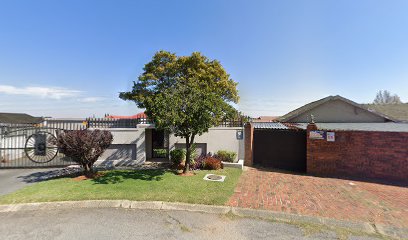
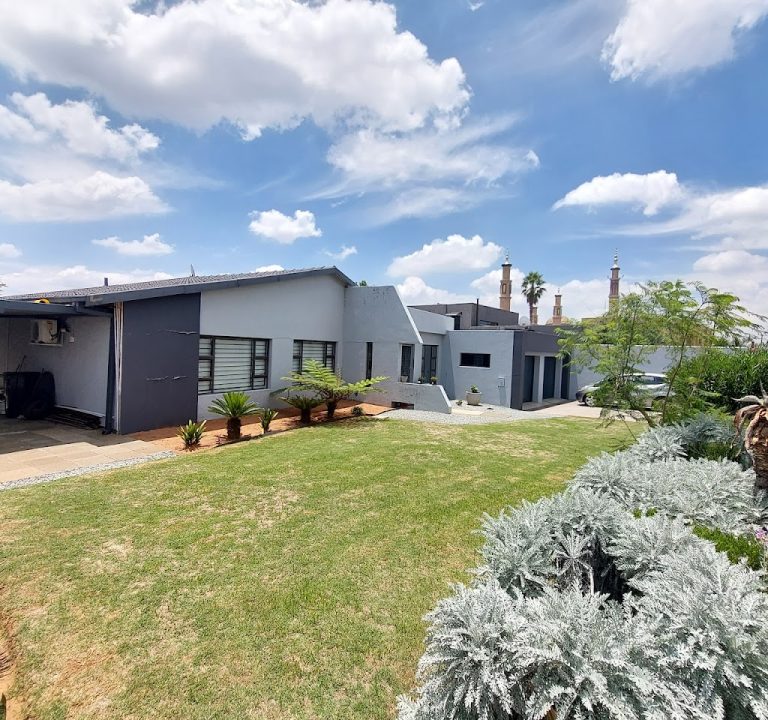
Place to consider for a stay in Johannesburg can be found across a range of styles. For example, Amazizi Bed and Breakfast, a guest house style option, embodies the intimate, home-like hospitality found in some city neighbourhoods. While not every property will replicate this exact experience, you can expect similar characteristics in well-run guest houses and boutique hotels: warm hosts, comfortable rooms, seasonal breakfast options and a sense of local hospitality that can enrich a visit beyond what a larger chain hotel might offer.
Attractions and experiences in general terms include historic and cultural sites, museums, and outdoor spaces that showcase Johannesburg’s diversity. You’ll find galleries and street art in several central districts, as well as markets, cafés and casual eateries that showcase a mix of local flavours and international influences. For visitors with an interest in architecture, guided walks and neighbourhood tours can provide context to the city’s rapid growth and redevelopment. For food lovers, Johannesburg’s dining scene spans quick casual spots to refined venues, with a range of South African flavours alongside international influences. When planning meals out, you’ll often have options within walking distance of most central stays, plus a few reputable neighbourhood clusters hosting a mix of long-standing favourites and new openings.
Optional tips to help you get the most from your visit:
- Confirm breakfast arrangements and whether meals are included in your rate.
- Ask about late check-in procedures if you anticipate arriving after hours.
- Check security features such as gates, CCTV, and well-lit entry points.
- Explain your interests to your host or property manager to receive personalised recommendations.
- Look for properties with clear information about transit links, local maps, and public transport options.
Whether you’re drawn by the city’s modern skylines, its compelling history, or its evolving culinary landscape, Johannesburg offers a range of stays and experiences to suit different preferences and budgets. By staying in a well-situated area, choosing a comfortable property with practical amenities, and planning ahead for transport and activities, you can craft a balanced itinerary that makes the most of your time in Gauteng’s dynamic capital.