Staying in Johannesburg: accommodation, areas to consider and top experiences
Johannesburg, or Jo’burg as many locals call it, offers a diverse range of places to stay, from intimate guesthouses in leafy neighbourhoods to contemporary hotels in buzzing city districts. When planning a visit, consider areas that align with your interests, whether you’re after cultural heritage, convenient transport links, or easy access to the city’s business hubs and natural escapes. A well-chosen base can shape your whole experience, influencing daily travel times, dining options, and the pace of your trip.
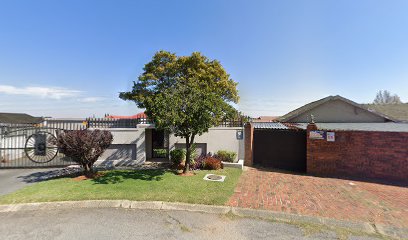
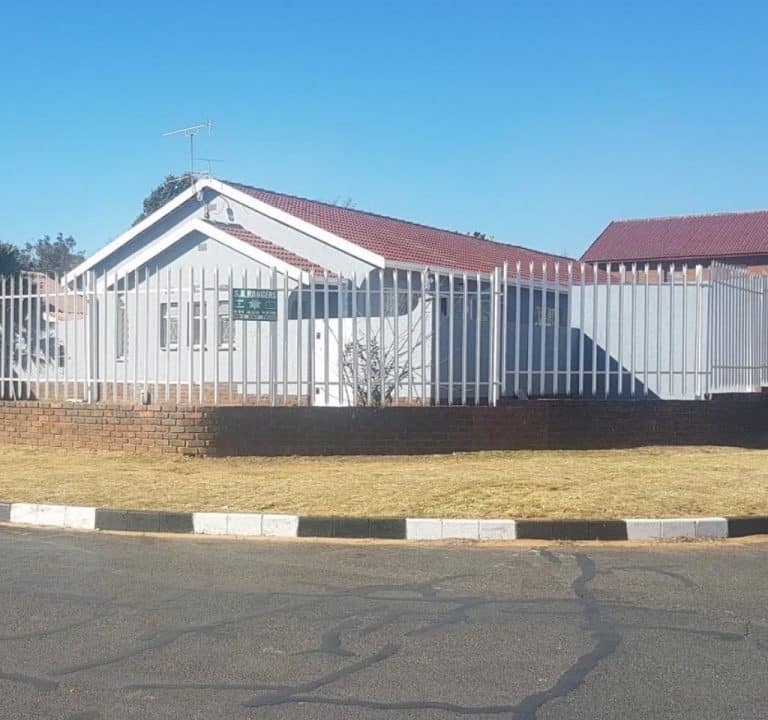
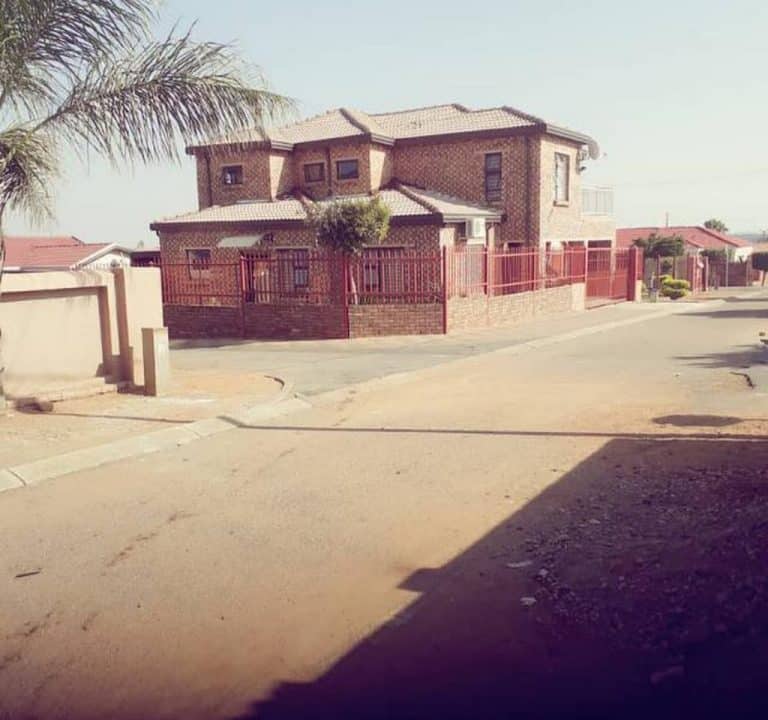
For guests seeking a personalised yet comfortable stay, guest houses and smaller boutique properties in preferred neighbourhoods can offer a welcoming home-from-home atmosphere. In addition to traditional hotels, these establishments often provide thoughtfully appointed amenities, local recommendations, and a chance to stay in places that reflect Johannesburg’s eclectic character. One option to explore is MAMA GABS’ GUEST HOUSE AND TRANSFER/TOURS, a guest house with transport and tours services that can help you navigate the city with ease. See their official site for booking and details: mmqualitymx.co.za.
Neighbourhoods to consider include the northern suburbs, which typically feature quieter streets, leafy surroundings and straightforward access to the Johannesburg city centre. The central and northern hubs are popular for business travellers and visitors who want to stay near museums, galleries and dining districts. For a more vibrant, urban experience, the central and northern corridors offer plenty of restaurants, cafés and cultural sites within walkable distance from many hotels and guest houses. If you prefer a mix of city convenience and natural light, look for properties with easy access to car routes or reliable taxi and ride-hailing options.
When choosing a place to stay, look for a few practical features that make a difference to comfort and security. A good bed, quiet rooms, effective air conditioning or heating, reliable Wi-Fi, and secure access are important. Check whether the property offers on-site parking if you are driving, or information about convenient public transport links. Many travellers value properties that arrange airport transfers or local tours, which can simplify logistics, particularly after long travel days. If you plan to explore beyond the city, ask about guided day trips or transfers to nearby natural attractions and townships, as some guest houses partner with local operators to offer curated experiences.
Typical amenities to expect include en-suite bathrooms with modern fittings, daily housekeeping, and flexible breakfast options. Some properties may provide kitchen facilities or common lounges, where you can relax after a day of sightseeing. In larger hotels, you might find fitness facilities, concierge services, and business-friendly spaces. When booking, it’s worth confirming what is included in your rate—breakfasts, parking, transfers, or access to communal areas—as these can add real value to your stay.
Transport in Johannesburg is broad: a car gives you maximum freedom to explore the wider Gauteng region, while robust taxi and ride-hailing services cover city travel efficiently. If you prefer not to drive, look for accommodation near main transport routes or with arranged transfers, and plan your days around peak traffic times. A compact city map and a rough plan of day trips will help you optimise your itinerary. Remember that traffic patterns can vary, so consider starting early if you have long distances or popular attractions on your list.
The best time to visit Johannesburg tends to be in the drier, cooler months of late autumn and winter (roughly April to August), though the city enjoys sunshine year-round. Summer can bring afternoon thunderstorms, so lightweight clothing with a light rain layer is sensible. If your focus is wildlife or outdoor activities in nearby parks and reserves, plan around morning drives or late afternoon visits when temperatures are comfortable and wildlife viewing is active. South Africa’s daylight hours are longest in summer, which can extend your outdoor options for sightseeing and dining al fresco.
When planning an itinerary, think about a balance of cultural, historical and culinary experiences. Johannesburg offers museums and galleries that tell stories of the city’s growth, the complex history of the region, and the rich local arts scene. While it’s best to check current listings for openings and hours, you can expect opportunities to explore public spaces, markets, and diverse dining scenes that reflect the city’s cosmopolitan character. For many visitors, a short guided tour or a curated transfer can unlock a broader understanding of the city and its surroundings, from vibrant urban districts to quieter townships and green spaces.
Practical tips to help you plan:
- Choose a base with easy access to the centre and to major roads to minimise transit time between sights.
- Confirm breakfast options, parking facilities, and whether transfers or tours are available through the accommodation.
- Check recent guest reviews for updates on noise levels, security, and staff helpfulness.
- Pack adaptable clothing for changing weather and comfortable walking shoes for city exploration.
Ultimately, Johannesburg rewards visitors who plan with flexibility, allowing for spontaneous stops at markets, cafés, and art spaces while maintaining a comfortable home base. By selecting a well-specced guest house or hotel in a well-connected neighbourhood, you’ll enjoy a smoother rhythm to your stay and more time to discover the city’s many faces.