Johannesburg: accommodation and attractions in Gauteng for a well‑planned stay
Johannesburg, or Jo’burg as many locals recognise, is a dynamic hub of culture, history and contemporary city life. When planning a stay, travellers generally start with areas that suit their style and itinerary, from leafy residential neighbourhoods with easy access to the city centre to vibrant districts known for dining, art and nightlife. For a self‑catering or homely option, there are guesthouses and apartment-style stays that make mornings convenient and evenings relaxed.
In central and northern neighbourhoods, you’ll typically find a mix of boutique BnBs, guesthouses and self‑catering flats. The city centre offers easy access to attractions, museums and public transport, while areas such as Rosebank, Sandton and Melville provide a blend of shopping, eateries and a calmer residential ambience. To experience a more historic side of Johannesburg, suburbs near Soweto and the former mining heartlands offer unique cultural insights and guided tours that help visitors understand the city’s diverse heritage.
When selecting accommodation, consider several practical factors. Proximity to the places you plan to visit is important, but so is the neighbourhood atmosphere, safety considerations and transport options. Look for places with secure parking or reliable access to ridesharing and public transport, especially if you plan to explore beyond walking distance. If you’re travelling for business or a conference, check for reliable Wi‑Fi, desk space and quiet areas. For families or longer stays, self‑catering options with a kitchenette, a living space and laundry facilities can provide added convenience.
Typical amenities in Jo’burg accommodation often include secure parking, daily housekeeping on request, free Wi‑Fi, air‑conditioning or ceiling fans, and self‑contained kitchen facilities in apartments or cottages. Many guesthouses and self‑catering properties offer communal spaces such as lounges, gardens or courtyards, which can be ideal for relaxing after a day of sightseeing. A note on transport: Johannesburg has a network of taxis, rideshare services and a regional rail system known as the Gautrain. For broader explorations, convenient access to major roads can save time, while some areas are best explored on foot with careful planning about parking and safety.
Top attractions and experiences to consider, in broad terms, include world‑class museums and galleries that tell the story of South Africa’s history, as well as vibrant markets and cultural precincts where you can sample local foods and crafts. Outdoor lovers might enjoy city parks and viewpoints, while families often appreciate interactive museums or heritage sites that provide context to the city’s development. Eating out in Johannesburg ranges from casual cafés to refined dining, with many establishments offering modern take‑aways, traditional favourites and globally influenced menus. When planning meals, you’ll find options near most accommodation hubs, with a mix of casual eateries, stylish spots and family‑friendly venues.
A sensible itinerary might balance historical insight with contemporary culture. For example, you could arrange a morning visit to a museum district or a guided heritage walk, followed by an afternoon in a vibrant precinct known for street art, markets and boutique shops. Evenings at a restaurant or бар that focuses on modern South African cuisine can cap a day with flavours from across the region. If you’re short on time, prioritise a couple of standout experiences and allow flexibility for café stops or impromptu street performances, which are common in several precincts.
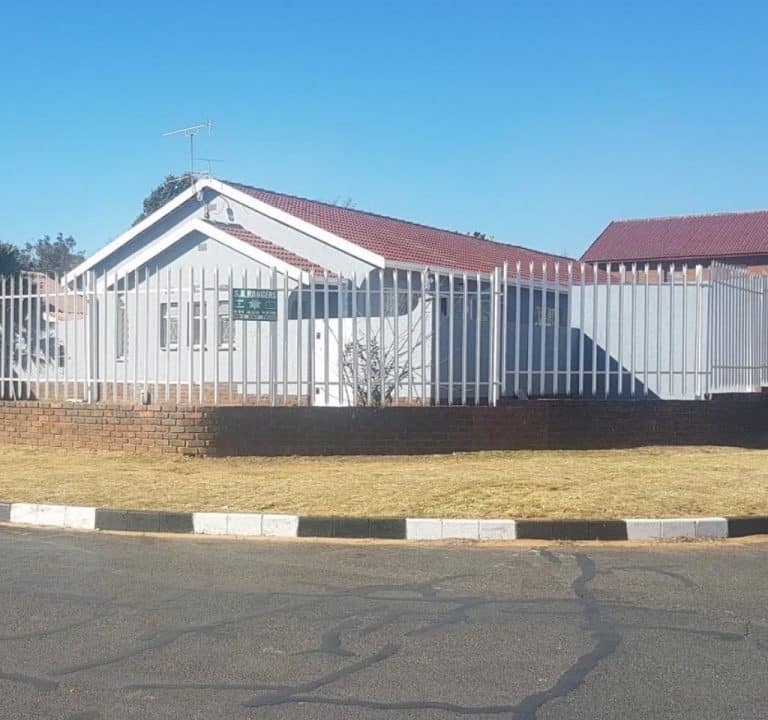
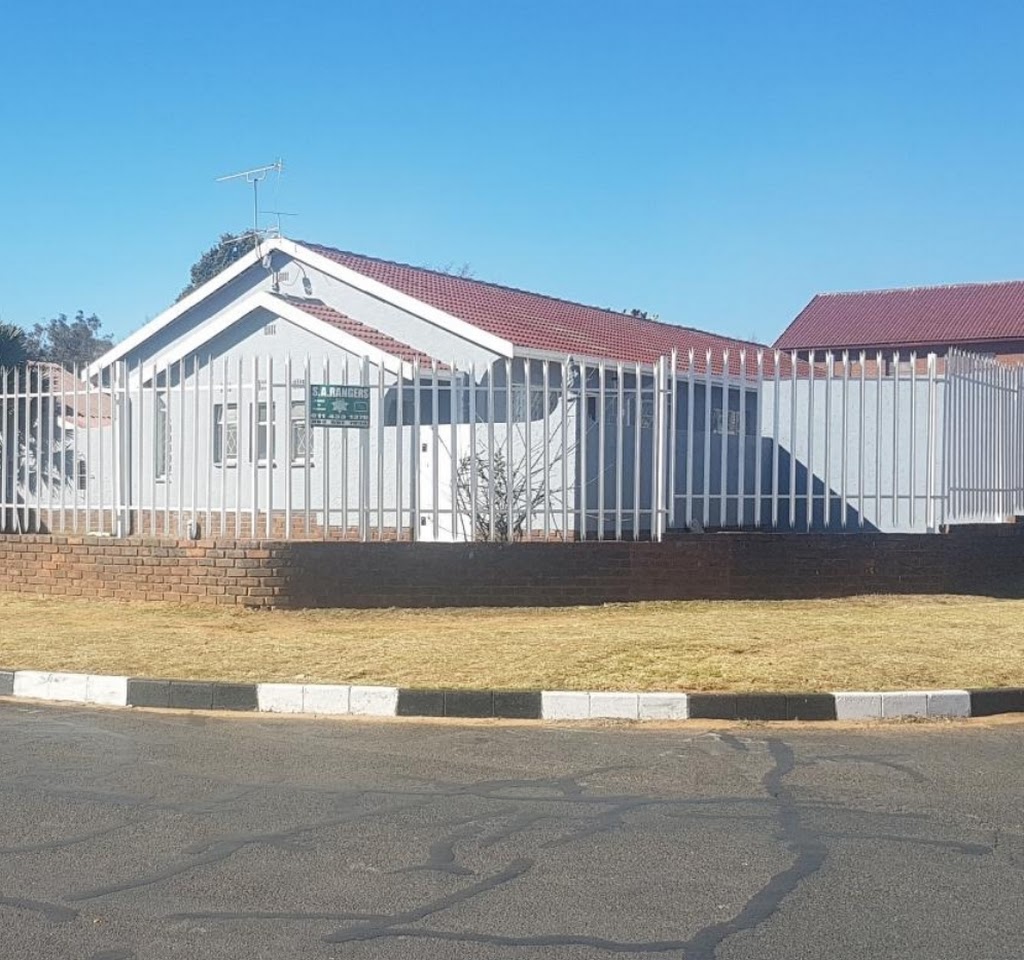
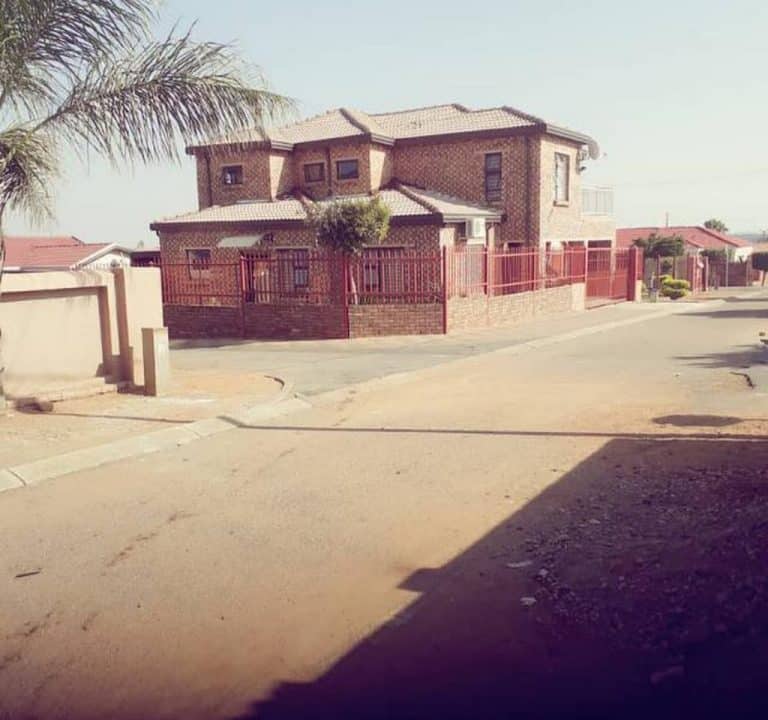
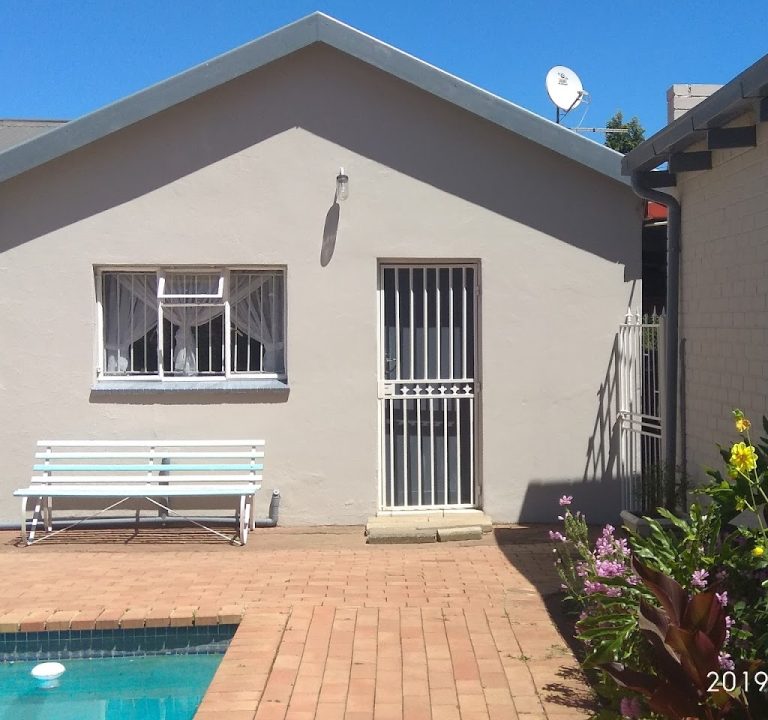
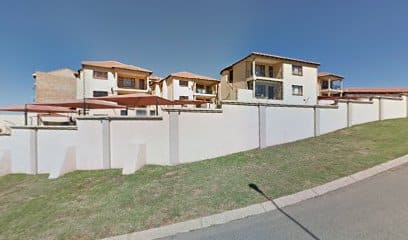
Ridgeway Place Guesthouse represents one example of a self‑catering option that may suit travellers seeking a home‑from‑home approach. Self‑catering properties typically offer a kitchen or kitchenette, comfortable living areas and a level of privacy that can be ideal for longer stays or groups. When browsing such options, read guest reviews carefully for notes on space, cleanliness, and how well the property is maintained, as well as the availability of nearby amenities like supermarkets and transport links. Always verify access to essential facilities, such as laundry or parking, to ensure a smooth stay.
Booking tips to help you plan efficiently:
- Choose era-friendly neighbourhoods with easy access to transport hubs or major routes.
- Prioritise properties with secure parking and clear safety information.
- Check for self‑catering facilities if you value the flexibility to cook.
- Confirm Wi‑Fi quality and workspaces if you need to stay connected.
- Look for flexible cancellation policies in case your plans shift.
- Consider the best time to visit: Johannesburg enjoys a mild autumn and spring season, but winters (June to August) are cooler and drier, while summers (October to March) bring showers; plan outdoor activities in the drier months where possible.
Transport practicalities: Johannesburg’s metro area is extensive. If you rely on public transport, identify a base near a Gautrain station or a reliable bus/metro stop, and research local taxi or ridesharing options for late evenings. When driving, be mindful of peak periods and plan parking arrangements at your accommodation in advance.
For dining and evenings out, most accommodation clusters provide options ranging from casual cafés to more formal eateries. It’s worth exploring a couple of recommended precincts to experience the city’s breadth of flavours and styles. Always check current hours, especially in busier seasons, to avoid disappointment.
In summary, a well‑planned Johannesburg stay balances a comfortable base with thoughtful exploration of the city’s museums, markets, neighbourhoods and dining scenes. By selecting a well‑located, well‑equipped self‑catering or guesthouse option, you’ll enjoy flexibility, comfort and easy access to the many diverse experiences Gauteng has to offer.