Johannesburg Stay Guide: Where to stay, what to do, and how to plan
Johannesburg, or Jo’burg, offers a vibrant mix of modern urban experiences and leafy neighbourhood charm. When planning a break in Gauteng’s largest city, consider staying in a district that matches your interests—from bustling city centres with easy access to museums and shopping to residential suburbs with a calmer, more intimate atmosphere. Self‑catering options such as Villa Moshay can be a convenient base for families or groups who prefer a home-from-home environment while exploring the region.
Accommodation in Johannesburg ranges from stylish boutique hotels and contemporary apartment blocks to guesthouses and self‑catering properties. Look for places that clearly state what is included in the price, such as self‑catering facilities, housekeeping schedules, and secure parking. For longer stays, a self‑catering option can be especially cost‑effective and convenient, letting you set your own timetable for meals and daily routines.
Areas to consider include the central core around Sandton and the northern suburbs for business travellers and shoppers, and the northern suburbs for a more relaxed residential setting with easy access to parks. The southern and eastern parts of the city offer a mix of cultural experiences and more affordable stays. When selecting a neighbourhood, think about transport links, safety, and the distance to the activities you plan to enjoy each day.
Typical amenities to look for include reliable Wi‑Fi, private or shared spaces that suit your group size, clear heating or cooling options for Jo’burg’s variable climate, and safety features such as secure entry and on‑site parking. If you are visiting in winter (May to August), check for heating in bedrooms and communal living spaces; for summer stays (November to February), fans or air conditioning can make a real difference. Self‑catering properties like Villa Moshay may offer well‑equipped kitchens, laundry facilities, and comfortable living areas, which are particularly useful for families or longer breaks.
Transport is a key consideration in Johannesburg. The city has a network of roads, with major arterials linking popular precincts, and several reputable ride‑hailing services. If you plan to rely on public transport, be aware that services vary in frequency and reliability by area. Ground‑level parking or gated security can provide peace of mind if you choose to drive. When booking, ask about late check‑out options, which can be helpful if you have a long flight or a late arrival routine.
Best time to visit Johannesburg depends on your priorities. The city enjoys mild, dry winters and warm summers with afternoon thunderstorms. Winter (May to August) is pleasant for city sightseeing and outdoor markets, while the shoulder seasons in spring (September and October) and autumn (March and April) can be ideal for milder temperatures and fewer crowds. If you are keen on experiencing local culture, plan for markets, museum exhibitions, and live music events that typically cluster over weekends.
When planning activities, mix indoor and outdoor experiences to balance energy levels. World‑class museums and galleries can anchor a day, followed by a stroll through parks or designer neighbourhoods. Food lovers should sample a range of dining options—whether in buzzing urban precincts or in quieter suburbs with intimate bistros and cafés. Rather than focusing on a single restaurant or attraction, seek experiences that reflect Johannesburg’s diversity, such as markets offering crafts, street food, and live performances, or neighbourhood walks that reveal street art and architectural gems.
For those staying in self‑catering accommodation, you can build your days around a flexible routine. Prepare breakfast at your rental, then venture out to morning markets or coffee spots before planning a day of sightseeing. Evenings can be spent cooking and sharing meals, or heading to nearby eateries for a restaurant‑style dinner. A well‑planned stay can reduce the stress of dining out every night while giving you more control over budgets and pace.
To illustrate how to plan a stay, consider a week in Johannesburg with a mix of culture, parks, and relaxed evenings. Allocate a couple of days for central attractions and a few for northern suburbs with green spaces and boutique shopping. Reserve a day for a guided neighbourhood walk or a curated market experience that provides insight into local life. Allow time for a broader city excursion, such as a day trip to the northern reaches beyond the city limits, depending on your interests and transport options.
Practical tips to help you optimise your visit:
- Book accommodation with clear, self‑catering facilities if you value a flexible meal plan.
- Check security and parking provisions, especially in central districts.
- Confirm wi‑fi quality and the availability of workspaces if you need to stay connected.
- Consider travel times between your base and planned activities to avoid peak traffic.
- Explore a mix of indoor museums and outdoor markets or parks to balance energy levels.
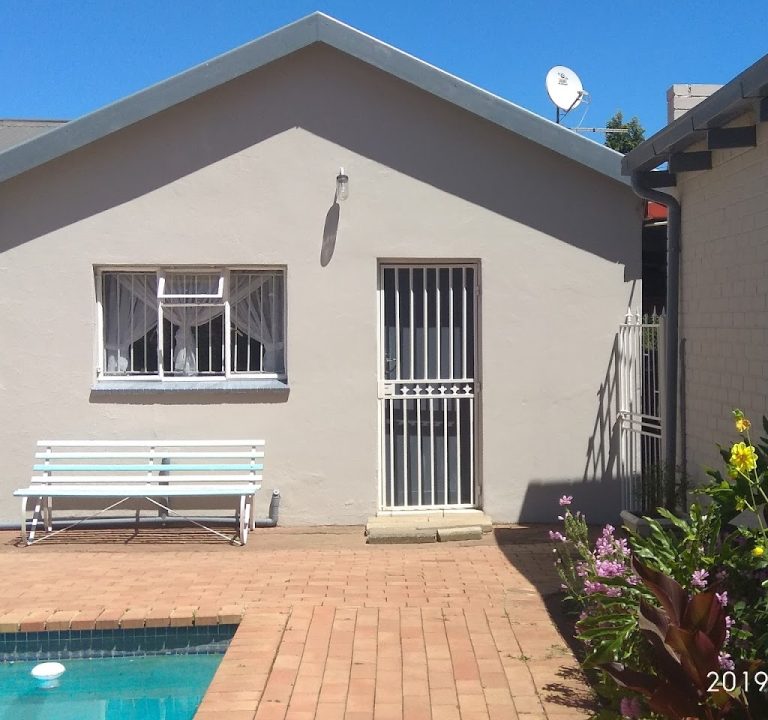
As a practical example, Villa Moshay offers a self‑catering option designed for comfort and convenience. Its website provides details about the accommodation setup, location, and how it can serve as a convenient hub for exploring Johannesburg and Gauteng more broadly. For those who prefer to book direct, visiting the property's official site can help you compare layouts, amenities, and availability across the dates you have in mind: Villa Moshay.
In summary, Johannesburg rewards thoughtful planning. Choose a neighbourhood that aligns with your pace, verify essential amenities, and build a flexible itinerary that balances museums, markets, and outdoor spaces. With the right base and a well‑structured plan, a stay in Gauteng can be comfortable, engaging, and memorable.