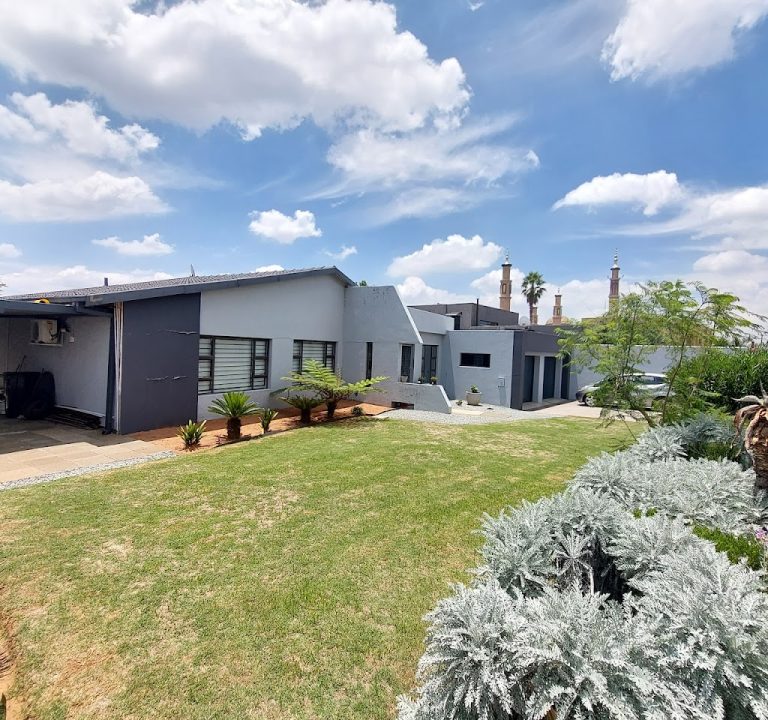
Accommodation and attractions in Johannesburg: planning a memorable stay
Johannesburg, Gauteng, offers a vibrant blend of urban flair, cultural heritage and gateway access to natural scenery. When planning a stay, thinking in advance about where to base yourself can make all the difference. The city’s neighbourhoods range from lively city centre districts to leafy northern suburbs, each with its own character, dining scenes and access to attractions. From deluxe hotels to boutique guesthouses and well-appointed lodges, there are options to suit short city breaks, business trips or longer explorations.
Central Johannesburg puts you close to the heart of the city’s energy, with easy access to museums, markets and theatres. The northern suburbs are known for quiet, residential estates, shopping centres and a more suburban tempo, often paired with excellent restaurants and contemporary hotels. For a mix of cosmopolitan dining and culture, you might consider areas around Sandton or Rosebank, both of which provide a range of accommodation styles, from modern high-rise hotels to stylish guesthouses. If you want a taste of urban renewal and creative hubs, look towards the inner-city districts where restored buildings house boutique stays and integrated dining experiences.
When choosing where to stay, consider what you value most: proximity to transport links, a particular neighbourhood vibe, or amenities such as a pool, gym, or on-site dining. A well-situated hotel or guesthouse can save time and reduce daily transport, particularly if you plan to spend days visiting museums, galleries, markets, and nearby nature reserves. For many visitors, a combination of a comfortable base with easy access to the Gautrain network and Uber-style rides is ideal for exploring both the city and beyond.
Typical amenities to look for include reliable Wi-Fi, secure parking or easy public transport access, generous breakfast options, and a friendly reception team who can provide personalised recommendations for day trips and dining. In recent years, guest-focused properties have expanded their offerings to include wellness facilities, flexible check-in, and curated experiences such as guided city walks, food tours and art-focused itineraries. If you prefer a specific style, there are contemporary business hotels, boutique stays in converted heritage buildings, and guesthouses with intimate, personalised service. A known example of a hotel offering a dedicated website presence can be found at the hotel’s website, illustrating how accommodation listings frequently present themselves with clear information about rooms, facilities and local guidance.
Transport in Johannesburg is straightforward but real-world planning helps. The Gautrain provides fast rail links between the city centre, Rosebank, Sandton and the airport, which can significantly reduce travel time for day trips to business destinations or shopping hubs. Taxis and ride-hailing services are widely available, and many hotels offer shuttle arrangements or can recommend trusted options. If you prefer to drive, check whether parking is included or available nearby, and be prepared for peak-traffic periods that can affect journey times. A practical tip is to map your daily routes in advance and allow a buffer for weather-related delays during the summer thunderstorm season.
Best time to visit Johannesburg tends to be during the drier winter months from May to September, when daytime temperatures are comfortable and hotel rooms are easier to secure in peak times. Spring (September to November) and autumn (March to May) also offer pleasant weather for outdoor exploring. Summer can be warm and humid, with afternoon thunderstorms; this is when many visitors combine indoor attractions with shaded dining experiences and short day excursions to nearby natural areas such as hills and parks. Pack versatile layers, a light rain jacket, and comfortable walking shoes for city exploration and guided tours.
When planning activities, consider a mix of culture, cuisine and outdoor experiences. Johannesburg’s museums and galleries offer insight into the city’s complex history and contemporary art. Markets, food halls, and ethnic eateries showcase a wide range of cuisines, making dining an experience in itself—without fixed expectations about individual restaurants. For a more relaxed plan, allow time for a few neighbourhood strolls to appreciate street art, local cafés and the ambience of different districts. If you are seeking a scenic escape, you can arrange a day trip to nearby natural landscapes or wildlife experiences, often reachable through guided tours or day tours from your accommodation.
Practical planning tips:
- Book in advance for popular periods and ensure your chosen property offers the amenities you need (breakfast, parking, Wi‑Fi, security).
- Choose a base with convenient transport links to your intended sights and consider a stay in a neighbourhood that reduces daily travel time.
- Ask your host or concierge for curated recommendations on eateries, markets and hidden courtyards that showcase local flavour.
- Read guest reviews carefully for notes on cleanliness, service quality and the responsiveness of staff.
Accommodation in Johannesburg often blends comfort with character. Whether you select a central hotel with business-friendly facilities, a boutique guesthouse in a transformed building, or a lodge-style option within easy reach of green spaces, your stay can be a gateway to both city life and the wider Gauteng region. With thoughtful planning, you can optimise your time, taste, and travel experiences while staying connected to the best that Johannesburg has to offer.