Where to Stay and What to Do in Johannesburg, Gauteng
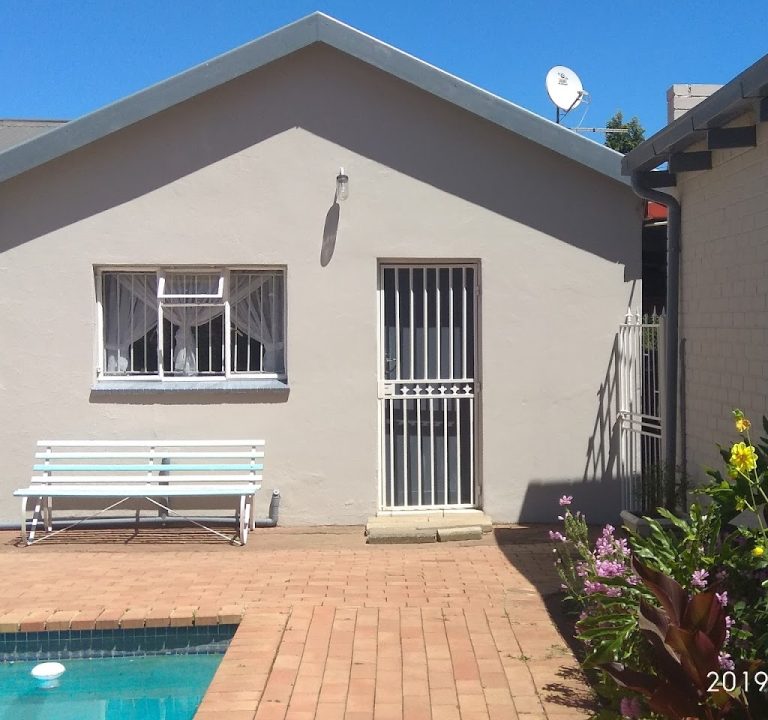
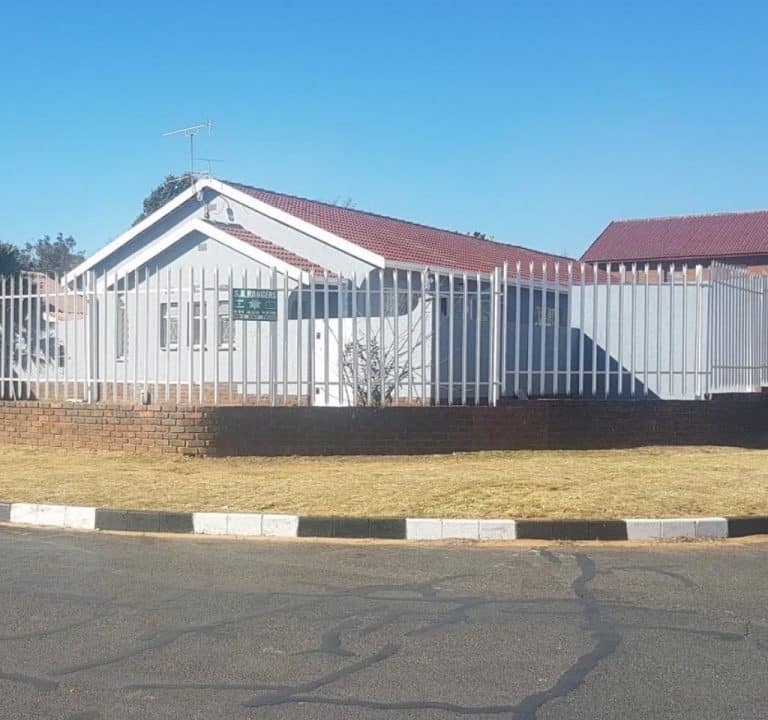
Johannesburg, the vibrant gateway to South Africa’s inland experiences, offers a wide range of accommodation choices from intimate guest houses to contemporary hotels. Planning a stay around a few well‑defined neighbourhoods can maximise convenience, ease transport, and unlock the most enjoyable activities, whether you are seeking culture, cuisine, or family-friendly outings. A great example of a comfortable, well‑located option is Regal Guest House, a guest house that emphasises thoughtful hospitality and easy access to central Johannesburg via main routes and public transport. Learn more at their website: Regal Guest House.
When selecting where to stay, consider what you want to be close to. If you value nightlife, art, and easy access to eateries, central districts such as Braamfontein and Maboneng offer a lively, walkable atmosphere. For business travel or upscale shopping, the northern suburbs around Sandton and Rosebank provide polished lodging and a broader range of dining and retail options. Families often prefer quieter corners with parks and museums nearby, which can be found in some central precincts and in suburban pockets with good road and taxi links.
Typical features to look for in accommodation include reliable security, on‑site parking or easy parking access, a well‑equiped kitchenette or breakfast service, flexible check‑in options, and friendly staff who can provide local guidance. Many guest houses and hotels in Johannesburg tailor packages for short breaks or longer stays, such as airport transfers, guided day trips, or recommendations for dining and entertainment. When booking, confirm whether the price includes breakfast, and whether late checkout or luggage storage can be arranged if you plan to travel onward.
Transport is a key consideration. Johannesburg is a large city with diverse transport options. If you do not plan to hire a car, prioritise accommodation near a Gautrain station or near reliable taxi and ride‑hailing access. Some areas have freely walkable streets, while others are best explored with a driver or organised tours. If you are staying in a more central zone, check the proximity to major attractions so you can maximise your days without lengthy commutes.
Best time to visit Johannesburg is shaped by weather and events. The city enjoys a temperate climate, with drier, sunnier seasons often more comfortable for outdoor exploration. However, Johannesburg hosts a variety of cultural festivals and markets throughout the year, which can add memorable experiences to any stay. Pack layers for the cooler mornings and evenings, and bring comfortable walking shoes for urban strolls and museum days alike.
Accommodation in Johannesburg ranges from boutique guest houses to modern hotels, with options that suit different budgets and preferences. Expect rooms or suites that offer comfortable beds, en‑suite bathrooms, and workspaces for business travellers. In guest houses, you may encounter personalised service, including curated breakfast offerings, local tips, and a more intimate atmosphere. Some properties provide cosy lounges, outdoor seating areas, or courtyards where you can unwind after a day of sightseeing.
What to plan before your visit includes a rough itinerary that balances indoor experiences with outdoor discoveries. Core attractions tend to cluster around history, culture, and urban life: art districts, heritage museums, markets, and architecture tours. In addition to iconic museums and historic sites, many visitors enjoy exploring neighbourhoods that showcase street art, local cafés, and small businesses. For those who enjoy dining out, Johannesburg’s restaurant scene spans modern eclectic bistros, traditional South African cuisine, and international flavours. Look for eateries that highlight seasonal produce and regional ingredients, and consider making reservations for popular venues, especially on weekends.
Practical tips for a successful stay:
- Choose a neighbourhood that aligns with your interests and mobility needs.
- Book accommodation with clear cancellation terms in case plans change.
- Check transport options and accessibility to the places you plan to visit.
- Ask hosts or staff for recommendations on local markets, safer evening options, and family‑friendly activities.
- Pack sunscreen, a hat, and comfortable walking shoes for outdoor days.
Attractions can be explored at a relaxed pace, with many venues offering interpretive exhibits and guided tours that provide context to South Africa’s complex history and contemporary urban life. While specific prices and awards may vary, many visitors appreciate destinations that tell a story through architecture, exhibits, and city views. For a well‑rounded stay, blend museum visits with time spent in neighbourhoods known for creativity, street food, and bustling markets. If you enjoy seed‑to‑plate dining and artisan markets, you will find options that celebrate local producers and culinary ingenuity, alongside casual eateries that cater to families and groups.
When planning day trips, consider nearby regions that offer additional perspectives on Gauteng and the surrounding areas. You can allocate a day to Soweto for historic insights and to experience the vibrancy of city life outside the central hub, or schedule more time for parks and outdoor spaces to balance urban exploration. Choosing a stay with flexible check‑in arrangements and local knowledge from staff can help you navigate the city’s suggestions more efficiently.
In summary, Johannesburg is best enjoyed with thoughtful planning around your preferred neighbourhood, a practical transport strategy, and an awareness of the city’s layered history and contemporary culture. A well‑chosen stay can serve as a comfortable base from which to explore the city’s attractions, vibrant dining scene, and engaging experiences, while also offering a restful retreat at the end of each day.