Exploring Johannesburg: a guide to accommodation, neighbourhoods, and must-see experiences
Johannesburg, or Jo’burg as many locals call it, offers a dynamic mix of urban culture, historic sites and convenient access to the wider Gauteng region. Whether you favour modern high-rise stays in Sandton, quirky boutique rooms in Maboneng, or a peaceful self‑catering retreat in Crown Gardens, there are options to suit every itinerary and budget. Planning a stay around the right neighbourhood, sensible transport choices, and practical amenities will help you make the most of what the city has to offer.
When choosing where to stay, consider how you’ll move around. If you want quick access to business districts and shopping, areas such as Sandton and Rosebank are well connected by major roads and the Gautrain network. For a more creative, mixed‑use vibe with restaurants, galleries and street life, Maboneng Precinct and Newtown can be particularly appealing. Soweto is essential for a cultural day trip, and many visitors choose a base closer to the south or west of the city to balance time spent travelling with sightseeing. If you prefer a calmer, residential feel with easy access to parks, a self‑catering option in Crown Gardens or nearby suburbs can be convenient and value‑driven.
Typical guesthouse, hotel or self‑catering amenities to look for include reliable Wi‑Fi, a well‑equipped kitchen or kitchenette, secure access, on‑site parking or easy street parking, laundry facilities, and clear information about nearby transport options. In Johannesburg, a taxi app or rideshare service is commonly used, though some neighbourhoods offer better pedestrian access to cafés and shops than others. If you plan to explore at night, prioritise properties with good security, well‑lit entrances, and 24‑hour reception or a contactable host who can assist after hours.
Booking tips to keep in mind
- Check the exact location on a map and review distances to the places you plan to visit, not just the advertised area.
- Ask about security features, including perimeter fencing, gates, and in‑room safes for valuables.
- Confirm whether utilities such as air conditioning, heating and power supply are dependable, particularly in dry winter or storm seasons.
- Ask for details on self‑catering facilities, including how guests access groceries, cleaning services, and replacement kitchenware if needed.
- Review cancellation terms and house rules, especially for stays that involve shared spaces or private entrances.
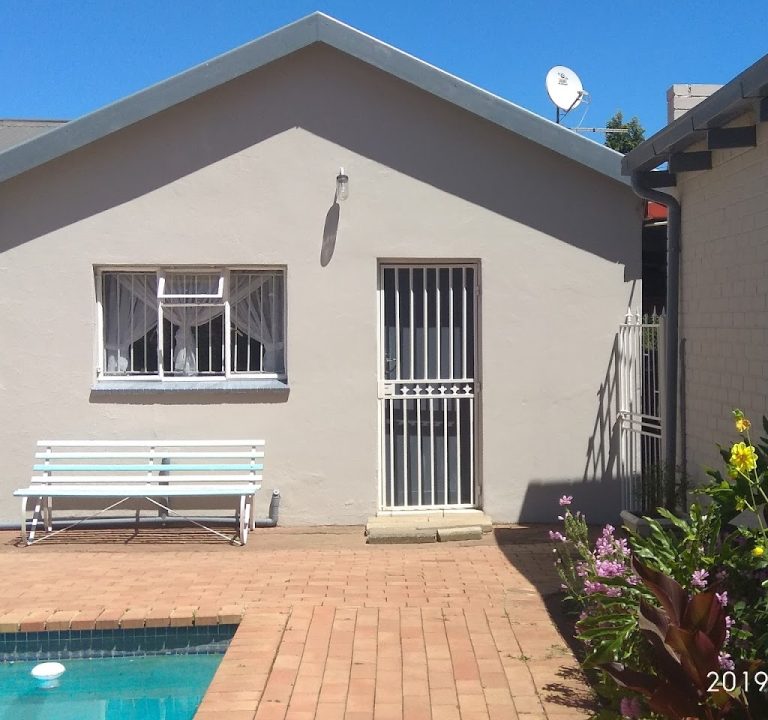
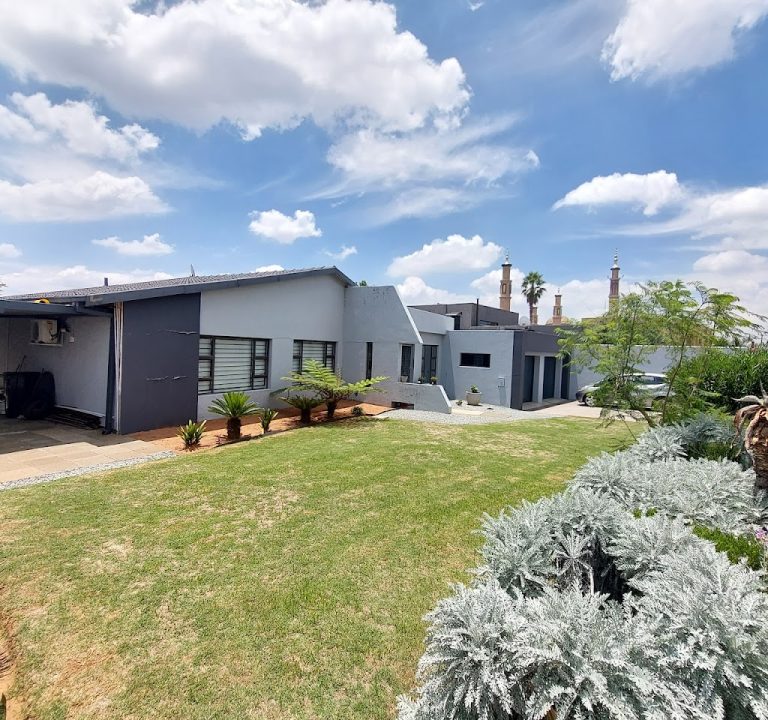
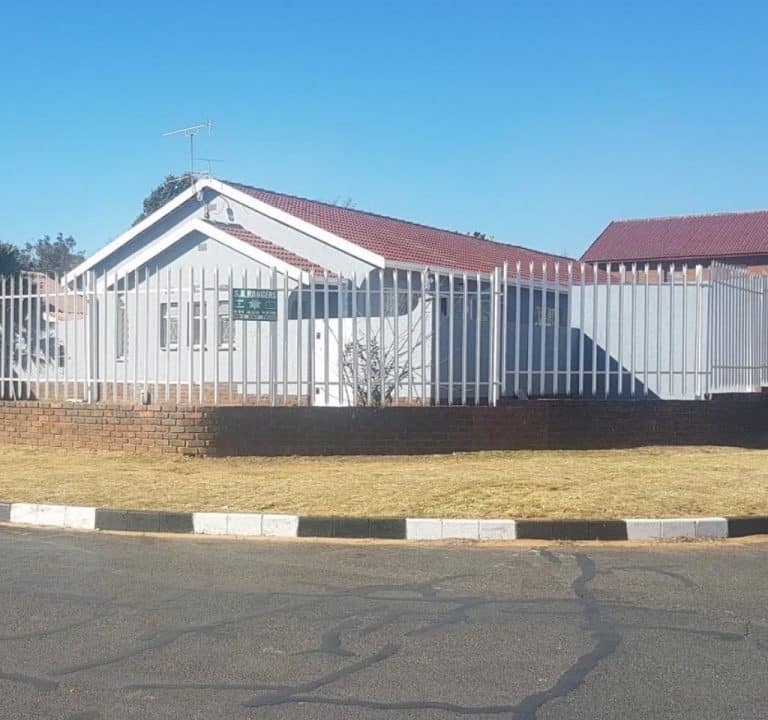
Typical stays in Johannesburg span everything from boutique guesthouses to self‑catering apartments and larger serviced suites. In a self‑catering setting such as Judy’s Self Catering Accommodation Crown Gardens, guests often value a private, home‑from‑home atmosphere with a fully equipped kitchen, comfortable living space and easy access to local shops and green spaces. Such options can be particularly attractive for families, groups or travellers who prefer a flexible routine and the option to prepare meals at their own pace.
Beyond where you sleep, plan what you want to do. Johannesburg offers a tapestry of experiences that reveal the city’s history, creativity and tastes. Look to balance day trips with evenings of dining and entertainment. South Africa’s diverse culinary scene ranges from comforting baked goods and street food to contemporary restaurants offering local and international flavours. Markets, food halls and neighbourhood eateries provide opportunities to sample dishes in a relaxed, social setting. If you are staying in central or inner‑city areas, you’ll often find a variety of casual cafés and casual‑fine dining options within walking distance or a short ride away.
Key attractions to consider across the city include museums and heritage sites that tell South Africa’s story, theatres and galleries celebrating contemporary creatives, and outdoor spaces where you can enjoy a stroll or a picnic. Planning some flexible time for guided tours or self‑guided explorations can help you see the contrasts between the city’s history, its architectural evolution, and its modern urban culture. If you are visiting during school holidays or peak travel times, booking some experiences in advance can help secure a preferred day and time, while still leaving room for spontaneous discoveries.
Practical tips for a comfortable stay include packing for a range of weather, as Johannesburg can experience warm days and cooler evenings even outside summer. Keep a light rain jacket or umbrella handy during spring and late summer showers. Power outages can occur in some areas, so having a small backup light source and arranging for a rechargeable battery pack can be handy. For dining and entertainment, plan transport arrangements in advance and consider the safety of walking routes at night in unfamiliar areas. If you are staying in or near Crown Gardens, you can benefit from a peaceful suburban environment while still being within reasonable reach of the city’s cultural hubs and shopping precincts.
Overall, a well‑planned stay in Johannesburg blends comfortable accommodation with intelligent choices about where to base yourself, how to travel around, and which experiences to prioritise. Whether it’s a self‑catering break in a quiet, leafy corner or a more central, social stay with easy access to markets, galleries and cafés, the city’s mix of neighbourhoods and attractions makes it possible to tailor a visit to your interests and pace. For personalised recommendations or to explore specific accommodation options, you can start with trusted listings and the websites of individual properties, and then map out a practical itinerary that covers both iconic sights and hidden‑gem neighbourhoods.