Cape Town: Accommodation, Attractions and Dining Guide
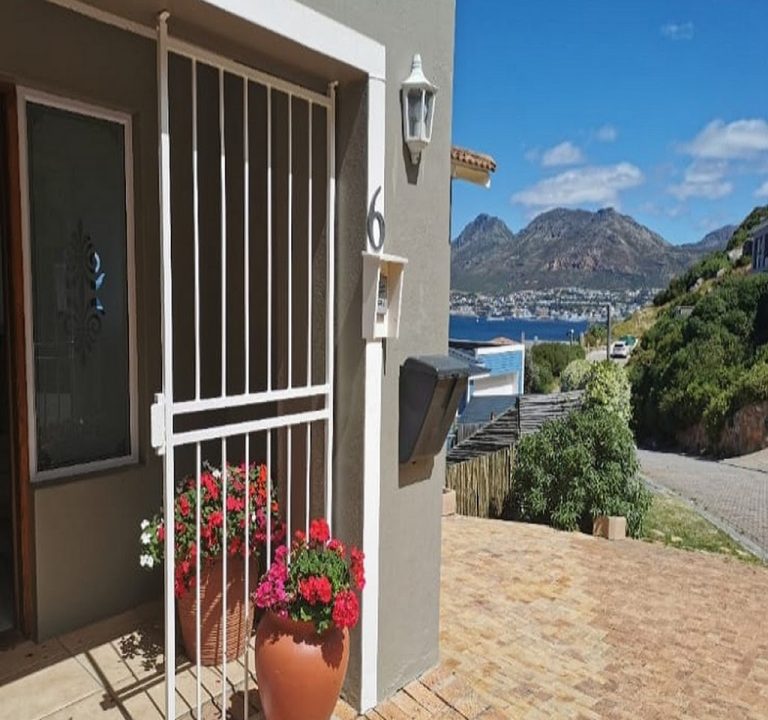
From iconic coastal scenery to vibrant urban culture, Cape Town offers a wide range of places to stay that suit all kinds of travellers. Whether you are after a boutique B&B tucked along a quiet hillside, a stylish city hotel near the V&A Waterfront, or a spacious serviced apartment with easy access to a weekend market, you will find options that feel both comfortable and convenient. When planning a stay, it helps to group areas by vibe and proximity to activities, and to think about how you will get around the city and its surroundings.
Key areas to consider include the city centre and the historic Bo-Kaap, which blend easy access to restaurants, galleries and transport with a compact, walkable feel. The Atlantic Seaboard districts — including Green Point, Sea Point and Camps Bay — are ideal for beach-loving visitors who want long promenades, sunset views and buzzy dining scenes. For a more relaxed, wine-and-nature break, Constantia and Hout Bay offer leafy lanes, hillside lodging and proximity to green routes and coastal trails. For families and culture enthusiasts, the inner city neighbourhoods and the historic Airport-to-city belt provide convenient access to museums, markets and the bustling waterfront precinct.
Typical accommodation options in Cape Town range from intimate B&Bs and guesthouses with personalised service to contemporary city hotels and well-appointed serviced apartments. In some areas you might find boutique lodges or guesthouses set in restored Victorian or Cape Dutch homes, while in others you’ll discover modern high-rise hotels with sea views. When choosing a place to stay, consider how much time you plan to spend in the room versus out exploring. A comfortable bed, reliable Wi‑Fi, secure parking or easy access to public transport, and thoughtful touches such as in-room kitchenette facilities or optional breakfast service can make a big difference to your trip.
What to look for when booking includes location practicality (distance to your planned activities, convenience of transport links), the reputation and safety of the neighbourhood, and the level of guest services offered. Look for clear cancellation policies, transparent pricing with no hidden charges, and details about accessibility if required. Check recent guest reviews for notes on cleanliness, noise, and how responsive staff are to guest needs. If you are staying for a week or more, a serviced apartment or a guesthouse with an on-site manager can be especially convenient for arranging day trips or restaurant recommendations.
Typical amenities you may encounter include en-suite bathrooms, daily housekeeping, secure parking, complimentary Wi‑Fi, tea and coffee facilities, and access to on-site dining or guest lounges. Some properties offer plunge pools and terraces with city or ocean views, while others provide easy access to private or shared outdoor spaces. For families, inquire about larger suites or interconnecting rooms, child-friendly menus, and a quiet play area. For business travellers, look for work desks, reliable Wi‑Fi, and proximity to meeting venues or transport links.
Getting around Cape Town is straightforward if you plan ahead. The MyCiTi bus network offers affordable, easy routes across many tourist zones, while Uber and other ride-hailing apps are widely used. If you are renting a car, confirm parking arrangements at your accommodation, as on-street parking can be limited or subject to restrictions in peak times. For day trips to the Cape Peninsula, Kirstenbosch or the Constantia wine routes, a car is often the most time-efficient option, though guided tours are also a popular choice for travellers who want to relax and leave navigation to someone else.
The best time to visit Cape Town spans spring and autumn when the weather is mild and the city feels relaxed. Summer (December to February) brings longer days and busy seaside areas, while winter (June to August) is cooler and drier in the inland city, with occasional rain and fewer crowds. Plan ahead for peak travel periods around holidays and school holidays, and consider combining a city stay with a few days on the coast or in the suburbs to balance crowd sizes and experiences.
In terms of experiences, think about combining scenic viewpoints, nature trails and cultural flavour. Iconic viewpoints andTable Mountain ascents are a quintessential part of any itinerary, and nearby nature reserves offer gentle coastal walks and wildlife-spotting opportunities. The coastline is rich with opportunities to observe penguins and other seabirds, and the Cape Peninsula offers dramatic headlands and beaches, where protected marine ecosystems can be enjoyed responsibly. Museums and galleries, markets and contemporary dining scenes provide cultural depth beyond the shorelines.
For dining, Cape Town’s restaurant landscape ranges from elegant fine dining to casual markets and street-food style venues. You can expect menus that feature fresh seafood, Cape Malay influences, farm-to-table ingredients, and globally inspired flavours. Plan to explore a mix of venues: a memorable dinner with a sea view, a market lunch to soak up local culture, and perhaps a coffee stop in a art-filled neighbourhood to observe daily life. If you are seeking recommendations, consult regional tourism sites for general listings and visitor-friendly itineraries, and read guest reviews to gauge what resonates with fellow travellers.
- Choose a base in a neighbourhood that aligns with your planned activities
- Prioritise clear cancellation policies and transparent pricing
- Look for practical amenities: reliable Wi-Fi, secure parking, and easy transport access
- Consider the season and expected crowd levels when booking
- Balance flexibly between city sights, nature, and coastal relaxation
To begin planning, you can explore official tourism resources and regional guides for Cape Town, which offer practical itineraries, seasonal highlights and transport tips. Visiting Cape Town with a balanced itinerary—whether you stay in a boutique B&B, a stylish hotel, or a self-contained apartment—lets you enjoy the city’s remarkable scenery, diverse dining, and engaging attractions at a comfortable pace. For inspiration and planning tools, see reputable travel websites and official visitor portals to tailor your stay to your interests and preferred pace.