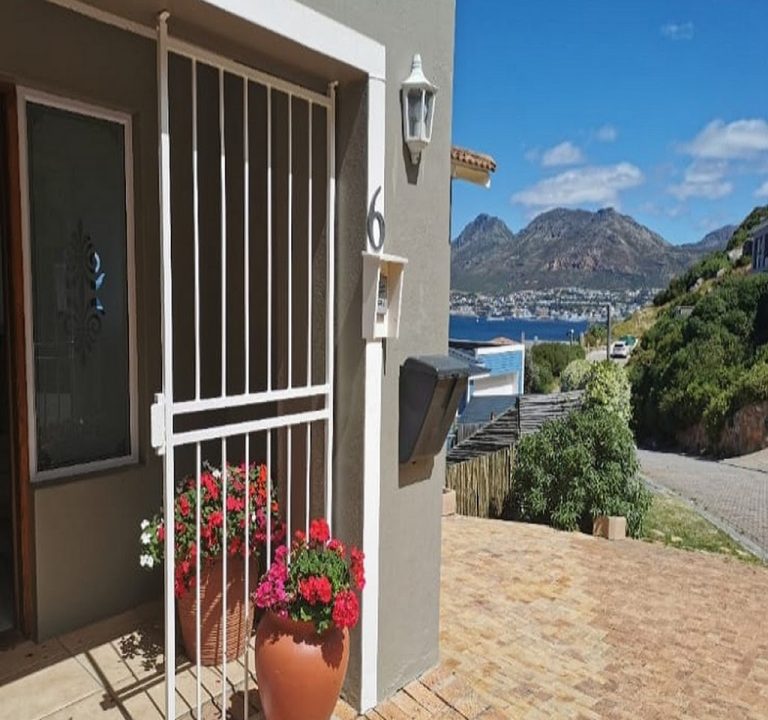
Cape Town: Accommodation, attractions and dining for a memorable stay
Cape Town is a city of striking contrasts, where sea, mountain and urban life converge to create a destination that rewards thoughtful planning. For visitors seeking self-catering stays or guesthouse experiences, the choice of area often shapes how easy it is to explore and relax. From the vibrant urban core to coastal crescents and wine country on the doorstep, there are options to suit a range of itineraries and budgets.
When choosing where to stay, consider your priorities. If you want easy access to the city’s cultural quarter, dining scenes and the cable car to Table Mountain, the central districts and the Atlantic Seaboard offer convenience and atmosphere in equal measure. For a slower pace, leafy Constantia or the Constantia Valley wine route provide a countryside feel just minutes from facilities. The Atlantic Seaboard, including Green Point and Camps Bay, is renowned for sun, seafront strolls and scenic coastal routes. For a more authentic neighbourhood experience with hip eateries and markets, areas such as Woodstock or Observatory can be appealing. If you’re travelling with family, self-catering accommodation with a well-equipped kitchen and separate living spaces in quieter suburbs can be ideal for flexibility and privacy.
Booking considerations go beyond price. Look for comfort-rich basics—secure access or reception, reliable hot water, robust Wi‑Fi, and clear kitchen facilities in self-catering units. A guesthouse or apartment with dedicated parking or easy access to public transport can save time and stress. Check the daily cleaning schedule, cookware provisions, laundry facilities, and whether there is a local host or on-site manager who can help with local tips. If you’re travelling with children or colleagues, confirm room configurations and sound insulation, as some neighbourhoods near the coast can be busier in peak season.
Transport in Cape Town is straightforward but planning helps. The MyCiTi bus network covers many tourist hubs and offers a budget-friendly way to move around the city and nearby suburbs. For more flexibility, a rental car provides freedom to explore the Cape Peninsula and surrounding wine lands at your own pace, though parking can be easier in less central areas. Taxis and rideshares operate widely, and some properties can arrange airport transfers or local shuttle options. If you plan day trips—such as a coastal drive to the Cape Point area or a scenic drive along the Atlantic coast—a car will be particularly convenient.
The best time to visit Cape Town depends on your priorities. Spring (September to November) and autumn (March to May) offer mild temperatures and manageable crowds for hiking Table Mountain and enjoying outdoor markets. Summer (December to February) draws beachgoers and festival-goers, with longer days and vibrant harbour life, whereas winter (June to August) is cooler and wetter but often quieter and more affordable in some districts. Pack for a range of conditions: sun protection for high-day heat, a light rain layer, comfortable walking shoes, and a dependable layer for cooler coastal evenings.
Accommodation in Cape Town can vary from stylish homes and boutique guesthouses to larger self-catering apartments. Typical amenities you may encounter include well-equipped kitchens or kitchenettes, Wi‑Fi, heating or climate control, and access to shared or private outdoor spaces. Self-catering options often feature lounge areas with dining tables, while guesthouses may provide daily or on-site breakfast options and secure entrances. In many properties, you’ll find洗 irrigation-friendly spaces for drying clothes, laundry facilities, and useful information packs with maps and suggested self-guided routes. If you rely on public transport, look for locations within easy reach of main routes or with on-site parking if you plan to drive in and out of the city.
Attractions and experiences in Cape Town can be enjoyed by visitors using a mix of self-guided exploration and guided tours. Iconic landscapes, such as high viewpoints, coastal drives, and nature reserves, offer opportunities to pause and photograph panoramic scenes. Cultural and historic sights provide insight into the city’s diverse communities and its maritime heritage. In terms of dining and cuisine, Cape Town boasts a wide array of eateries—from casual café culture to more refined dining rooms—covering global flavours with a strong emphasis on fresh seafood and farm-to-table produce. Markets, artisanal shops and family-run eateries contribute to a sense of place and offer opportunities to sample local products and crafts. Individual restaurants and venues will vary in style and price, so it’s wise to book ahead during peak seasons and to be mindful of casual dress codes in some venues.
Practical tips to enhance your stay:
- Plan a balanced mix of indoor and outdoor activities to suit weather changes.
- Book accommodation with clear communication about access, parking and check-in procedures.
- Inspect safety features and security arrangements, particularly in busier tourist areas.
- Take advantage of headlining viewpoints, but also explore quieter neighbourhoods for a more relaxed experience.
- Allow time for a day trip to the Cape Peninsula or nearby wine routes, which can be done independently or as part of a guided excursion.
Ultimately, a well-chosen stay in Cape Town should feel like a comfortable base from which to discover the city’s dramatic coastline, vibrant neighbourhoods and the surrounding winelands. With thoughtful planning—selecting the right area, ensuring practical amenities, and scheduling a blend of sightseeing and downtime—your visit can be both restorative and energising, leaving you with lasting memories of this remarkable corner of the Western Cape. For those seeking self-catering options, accessible layouts and a home-away-from-home atmosphere are often highlighted by guests who value privacy, space and flexibility as part of a longer stay. More information and planning ideas can be explored through official tourism resources and the listings of reputable accommodation providers.