Accommodating Cape Town: Where to stay and what to do in the Western Cape
Cape Town blends dramatic natural beauty with a vibrant urban scene, making it a standout destination for travellers seeking a balanced mix of beaches, mountains, culture and flavour. When planning a stay, choosing the right area can transform your visit, from easy access to beaches and nightlife to quick hops to wine country or highland trails. Accommodation ranges from boutique guesthouses and family-run B&Bs to contemporary hotels and self-catering lodges, all offering varying vibes and levels of space, service and character.
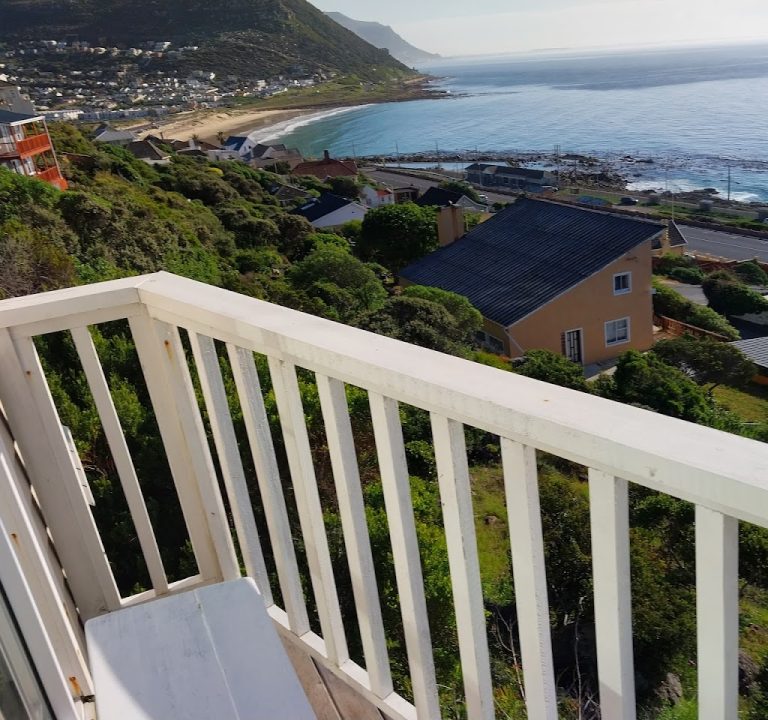
Consider your priorities early on. If you want salty sea air, generous panoramas and a cosmopolitan buzz, the Atlantic Seaboard and the City Bowl are excellent bases. For wine, food and leafy relaxation, Constantia and nearby stellenbosch-style estates offer tranquil punctuations between pop-up eateries and vineyard tours. If you’re visiting with family or a larger group, look for properties with multiple bedrooms, kitchens or easy access to parks and attractions. For divers and thrill-seekers, a stay closer to the coast with easy access to marine activities can be ideal, and you might even arrange a day trip to a dedicated dive centre such as Ollava dive centre from nearby lodgings.
Areas to consider when booking
- Atlantic Seaboard (Llandudno, Camps Bay, Sea Point): dramatic ocean views, seaside promenades and a lively cafés-and-bars scene.
- City Bowl (CBD, De Waterkant, Green Point): compact, walkable streets, cultural institutions, and quick access to markets, restaurants and public transport.
- Cape Point and Constantia: a quieter, green hillside experience with wine estates, historic homesteads and nature reserves nearby.
- Southern Suburbs and Stellenbosch/Franschhoek corridor: excellent for nature trails, gardens and gourmet dining in a more relaxed setting.
- Southern suburbs and beaches further along the False Bay coast: often more spacious properties and a slower pace, with plenty of family-friendly activities.
What to look for when booking
- Size and layout: consider the number of bedrooms, living space and whether you’ll need a kitchen or self-catering facilities.
- Access and transport: proximity to MyCiTi bus routes or Uber-friendly zones, and whether the area is flat enough for easy walking.
- Parking and security: if you’re renting a car, secure parking can be important in busy districts.
- Amenities: a reliable Wi-Fi connection, a well-equipped kitchenette, laundry facilities, and climate control (air conditioning or heating) can make a difference.
- Sustainability and safety: look for properties that prioritise energy efficiency and clear safety measures, especially if you’ll be out late exploring the city.
Typical amenities you’ll encounter
- Breakfast options, whether continental, hot servings or optional add-ons.
- Daily housekeeping or flexible cleaning schedules.
- Courtyard or balcony spaces to enjoy Cape Town’s climate.
- On-site or easy access to common areas, such as lounges or outdoor terraces.
- Concierge-style services, including local tips, route planning and excursion coordination.
- In-room comforts like blackout curtains, hairdryers and coffee or tea provisions.
Transport tips
- If you’re staying near the city centre or the Atlantic Seaboard, you’ll likely rely on short rides or walking for daily sightseeing.
- Car hire offers flexibility for day trips to the Cape Winelands, Cape Point and natural reserves, but parking and traffic in central areas can be busy.
- Public transport is expanding, and many guesthouses and hotels offer shuttle options or partnership arrangements with trusted operators. Day trips to iconic sites can be arranged through accommodation hosts or reputable operators.
Best time to visit and practical tips
- Weather windows: spring and autumn (September to November, February to April) offer mild temperatures, with less intense crowding than peak summer.
- Summer benefits: longer days and beaches, but expect more visitors and higher prices in popular zones.
- Winter (June to August): cooler and wetter, yet arguably quieter with excellent value in certain lodgings and fewer crowds for city sights.
- Practical tips: book your accommodation well in advance for peak seasons, confirm access logistics for late arrivals, and check cancellation policies. Pack layers, comfortable walking shoes and a lightweight rain jacket. If you plan a coastal drive, keep an eye on road conditions and seasonal closures.
What to do and where to eat (in general terms)
Cape Town offers a spectrum of experiences, from nature reserves and scenic viewpoints to markets and galleries. Iconic viewpoints, cable-car ascents, and coastal walks are common highlights, balanced by easy day trips to the surrounding wineland regions. Dining options range from informal cafés with views to refined restaurants featuring seasonal produce and coastal influences. While specific names aren’t singled out here, you’ll find plenty of choice across districts, with menus emphasising seafood, grilled fare, and fresh market produce. Evening strolls along the Waterfront or promenade areas reveal a relaxed hospitality scene, and many eateries offer outdoor seating to enjoy Cape Town’s temperate climate.
A flexible, well-placed stay can underpin a memorable itinerary. Consider a mix: several nights in a stylish base with sea or mountain views, combined with a few evenings near the city’s dining and cultural hubs, and a day or two in the winelands for a fuller sense of the region. With thoughtful planning, your Cape Town stay becomes not just a place to sleep, but a convenient starting point for the nature, culture and cuisine that define this remarkable part of the Western Cape.