Cape Town: accommodation, planning and getting the most from your visit
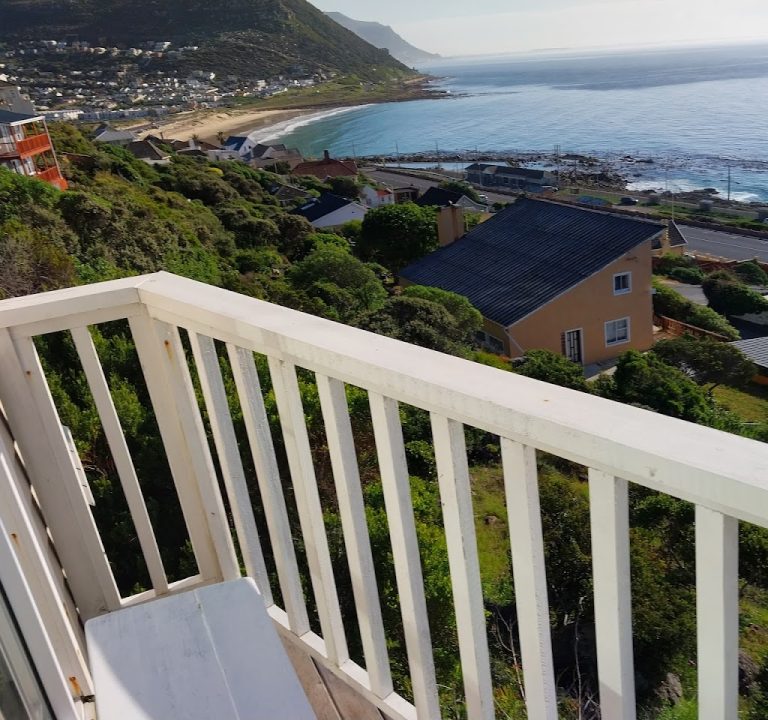
Cape Town sits between the Atlantic Ocean and a dramatic backdrop of mountains, offering a wide range of places to stay from cosy B&Bs and guesthouses to stylish lodges and contemporary hotels. When planning a visit, it helps to think about what you want from your base as much as the sights you plan to see. Whether you favour a city-centre stay with easy access to restaurants and museums, or a coastal setting with sea breezes and mountain views, there are options to suit most budgets and itineraries.
Areas to consider include the City Bowl and Central, which put you within walking distance of museums, theatres, markets and vibrant dining scenes. The Atlantic Seaboard, including Camps Bay and Clifton, offers sandy beaches and sunset backdrops, ideal for longer, relaxed breaks. Green Point and De Waterkant are popular for travellers who want proximity to the V&A Waterfront, the MyCiTi bus routes, and a lively mix of eateries. If you’re seeking quiet, leafy enclaves and easy access to wine routes, Constantia or the southern suburbs provide ample guesthouses and boutique hotels with gardens and pools. For families or travellers seeking a more traditional lodging experience, Ollava Guesthouse offers indoor lodging in a convenient, walkable neighbourhood with access to public transport and local shops.
When choosing accommodation, look for clear indications of comfort and practicality. Common features include: comfortable beds with quality linens, private or en-suite bathrooms, reliable heating or air conditioning, and adequate storage. Many guesthouses and B&Bs in Cape Town offer guest kitchens or tea-and-coffee facilities, imaging how you will start your day. A good option is to prioritise accommodations that include inclusive breakfast, or at least provide a light self-catering setup if you plan to self-cater some meals. Wi‑Fi is essential for planning day trips and staying connected, while a safe, well-lit entrance and on-site security will help you feel secure after evening outings.
Transport is a practical consideration for many visitors. The MyCiTi bus network covers central routes and key tourist areas, while ridesharing services, taxis and rental cars are widely available. If you are staying near the Waterfront or in the central city, the ability to walk to sights and dine out can be a big plus. For day trips along the coast or to wine land, a rental car offers the most flexibility; however, guided tours and hop-on-hop-off experiences can simplify logistics and provide local insights. If you are staying in a smaller guesthouse, ask the host about the best local transport options and whether they can arrange airport transfers or organised trips to popular spots such as Table Mountain, Kirstenbosch, Cape Point, or penguin viewing at nearby reserves.
The best time to visit Cape Town depends on your priorities. Spring (September to November) brings blooming gardens and pleasant weather, while autumn (March to May) offers mild days and quieter streets. Summer (December to February) is peak tourism season with longer days and buzzing outdoor spaces, but it can be busier and pricier. Winter (June to August) is cooler and wetter but still manageable with indoor attractions, museums, galleries, and wine-tasting experiences. Pack layers, a sun hat for high UV days, and a light waterproof layer for the Atlantic breezes. Early mornings and late afternoons often yield the best light for scenic views, photography and outdoor activities.
Practical planning tips help you avoid common hiccups. Book well in advance if you’re travelling in peak season or during major events, and read recent guest reviews focusing on cleanliness, staff responsiveness and consistency. Check cancellation policies and whether the price includes breakfast, parking, or access to facilities such as a pool or gym. If you have specific needs—ground-floor access, a quiet room away from street noise, or a kitchenette—make sure to flag these when you book. Consider a flexible itinerary so you can adapt to weather, sea conditions, or new recommendations from hosts and fellow travellers.
Attractions and experiences in Cape Town cover natural wonders, cultural sites, and culinary delights. Iconic viewpoints and cable-car access to Table Mountain offer panoramic cityscapes, while the Kirstenbosch National Botanical Garden and the Cape Peninsula’s coastal drives provide memorable plots for days out. Museums, galleries, and historic tenements reveal the city’s diverse heritage. Dining in Cape Town ranges from waterfront seafood and bistro-style eateries to contemporary urban dining and markets offering fresh, seasonal fare. For a balanced stay, plan a mix of outdoor time, cultural exploration and relaxed meals in neighbourhoods close to your accommodation so you can maximise your downtime between activities.
Finally, consider creating a simple balance between rest and discovery. A two- or three-night minimum often works well for a first visit, with an extra couple of nights if you want to explore beyond the city bowl, such as nearby coastal towns, wine estates, or nature reserves. Having a couple of “must-do” priorities—like a scenic drive, a morning hike, or a specialised culinary experience—helps you use your days efficiently while leaving room for spontaneous discoveries. Whether you choose a cosy guesthouse, a chic boutique hotel, or a family-friendly lodge, Cape Town welcomes you with a rich mix of accommodation, transport options and experiences that can shape a memorable South African stay.
For further ideas, you can explore official tourism resources and destination guides to map out an itinerary that fits your interests, time frame and budget. If you are researching particular properties, you may also wish to review their websites or contact hosts directly for updated information on amenities, accessibility and local recommendations.