Accommodating Cape Town: where to stay, what to expect, and how to plan your visit
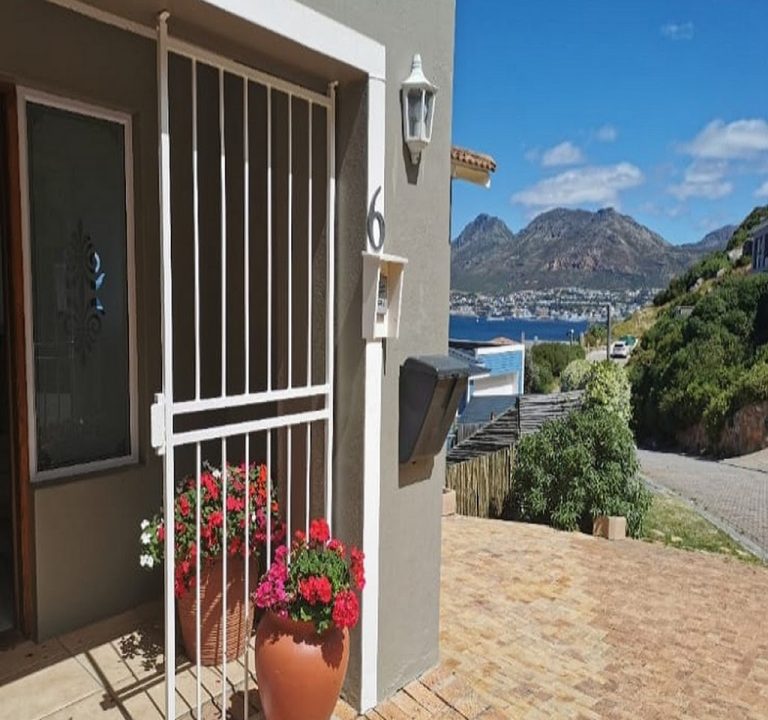
Cape Town is a city of striking contrasts, where coastal scenery meets mountain splendour. When selecting accommodation, think about convenience as well as the type of experience you want—whether it’s a breezy beachfront stay, a stylish urban base, or a quiet suburb with easy access to wine routes and nature trails. The city offers a range of options from boutique guesthouses and self-catering apartments to well-appointed hotels and guest suites, including distinctive stays such as Incazura Guest Suite and The Light House, which blend character with modern comfort.
Areas to consider include the City Bowl and V&A Waterfront for proximity to museums, markets, and late-night dining; Green Point and the Atlantic Seaboard for sea views and easy access to beaches; Camps Bay for a more resort-like vibe; and Constantia or the southern suburbs for wine estates, gardens, and a slower pace. If you’re planning day trips to the Cape Peninsula, the Atlantic coast or Robben Island, staying closer to the harbour or along the Atlantic Seaboard can reduce travel time. For a cultural flavour, the Bo-Kaap neighbourhood offers rich history and cobbled streets within easy reach of central sights.
When planning a stay, consider the following practical aspects to make the most of your visit:
- Transport and access: Look for properties with easy access to the MyCiTi bus network, or good taxi and rideshare options. Some areas are walkable, while others are better served by short drives or rides. If you plan to hire a car, check whether on-site parking is offered and how convenient it is to reach attractions and dining districts.
- Amenities and layout: Typical essentials include reliable wifi, a comfortable bed, a private bathroom, heating or air conditioning, and secure storage. A continental or cooked breakfast can save time in the mornings. For longer stays, a kitchenette or self-catering facilities are advantageous.
- Safety and security: Choose properties with well-lit entrances, secure access, and clear safety information. While Cape Town is welcoming to visitors, it’s wise to maintain standard travel precautions and keep valuables secure.
- Space and vibe: Boutique guesthouses and smaller hotels often offer personal touches and knowledgeable hosts who can provide local tips. Larger hotels may offer on-site dining, fitness facilities, and concierge services. Decide whether you prefer a quiet retreat or a hub with social spaces.
- Seasonality: The best time to visit for beach days and outdoors is typically from late spring to early autumn (roughly September to April). December to February can be busiest and warmest, while March to May and September to November offer pleasant weather with fewer crowds.
- Budget and value: Cape Town offers a broad price range. Booking midweek stays or shoulder-season visits can yield better-value rooms, with opportunities to enjoy popular attractions without peak-season queues.
Accommodations in Cape Town commonly feature a mix of en-suite bedrooms, private balconies, and communal guest areas. You’ll often find amenities such as plunge pools or rooftop terraces, stylish lounges, and well-equipped kitchens or dining spaces. Hosts frequently offer local knowledge on dining, markets, and scenic routes, which can be a real advantage for first-time visitors.
Top attractions and experiences are widely dispersed yet easy to integrate into a balanced itinerary. Iconic cable-car trips to a high inland peak, scenic coastal drives along the Atlantic Seaboard, and respectful visits to historic districts sit alongside family-friendly beaches and vibrant markets. While it’s best to research current opening hours and any seasonal changes, you can expect a city that pairs natural beauty with culture, cuisine, and arts in a compact, walkable core as well as more secluded corners in the suburbs and countryside beyond.
When it comes to dining, Cape Town’s restaurant scene ranges from casual beachfront eateries to contemporary fine dining. Expect menus that highlight fresh seafood, local produce, and global flavours with a distinct Cape influence. Casual daytime coffee spots and bustling markets provide quick, tasty options between sightseeing, while refined venues offer a memorable evening out. For planning purposes, it’s worth reserving at popular spots in advance during peak periods, and asking hosts or concierges for current recommendations and seasonal must-try dishes.
Practical planning tips for a smooth stay:
- Pack layers and sun protection. The weather can be changeable, with strong sun by day and cooler evenings, especially near the coast and on Table Mountain.
- Book ahead for popular events and experiences, but leave some flexibility for spontaneous exploration of markets, cafés, and street-art districts.
- Respect local tides and safety guidelines when visiting beaches or coastal paths.
- Plan a mix of city sights, nature trips, and relaxed days to avoid fatigue and maximise enjoyment of the setting and scenery.
- Maintain emergency contacts and have digital copies of important documents; keep hospitality staff informed about any accessibility needs or dietary preferences.
For more inspiration and practical planning resources, consider visiting official tourism sites and local guides. Cape Town rewards curious travellers with a layered experience—where dramatic landscapes, vibrant neighbourhoods, and hospitable stays come together to create a memorable visit. Whether you choose a chic apartment in the City Bowl, a sea-facing boutique guesthouse, or a cosy suite with mountain views, you’ll find a base that suits your pace and enhances your Cape Town stay. Learn more at reputable local tourism portals and browse a selection of accommodation options to tailor a stay that aligns with your interests and budget.