Accommodation and experiences in Cape Town: planning your stay in the Western Cape
Cape Town offers a diverse range of places to stay, from boutique guest houses and small lodges to stylish hotels and self-catering apartments. When planning a visit to the Western Cape, it helps to think in terms of neighbourhoods and what you want to experience each day. Whether you want dramatic coastal scenery, easy access to vineyards, or vibrant urban culture, there is a place to suit. For many travellers, a mix of stays across different areas provides the best balance of convenience, scenery, and atmosphere.
Areas to consider include the Atlantic Seaboard and City Bowl for easy access to beaches, restaurants, and nightlife; Green Point and the V&A Waterfront for proximity to the harbour and major sights; Camps Bay and Clifton for a resort-like coastline vibe; Constantia and surrounding valleys for tranquillity and wine-tasting; and the colourful Bo-Kaap and the historical heart of the city for culture and cobbled streets. If you’re visiting with a longer itinerary, a night or two in the Winelands (near Stellenbosch or Franschhoek) pairs nicely with a stay in Cape Town itself. For budget-conscious travellers, guest houses and B&Bs often offer a warm, intimate atmosphere with helpful local tips and easy access to public transport.
When booking accommodation, look for a few practical features that can make a big difference to your stay. A light, well-equipped breakfast can save mornings, while reliable Wi-Fi is essential for planning days and sharing travel updates. A guest house or boutique hotel with secure parking or easy access to public transport helps with mobility, especially if you plan day trips or coastal drives. A good reception or on-site staff who know the area can offer invaluable recommendations for safe neighbourhoods, parking options, and current local events. If you’re sensitive to heat, check air conditioning or fans in rooms, particularly for summer stays on the Atlantic Seaboard.
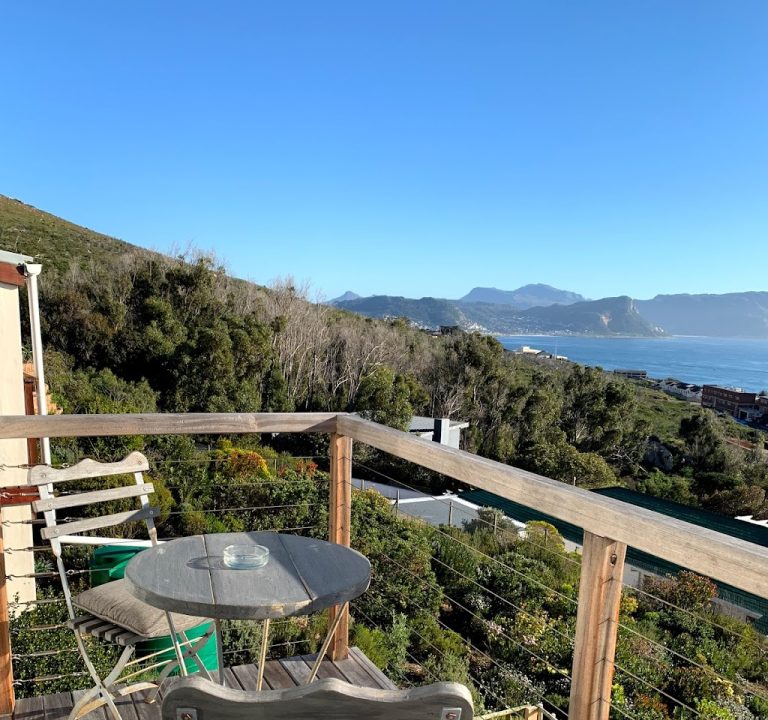
Typical amenities to expect include comfortable en-suite bedrooms, clean linen and towels, daily housekeeping, and a selection of hot drinks in-room. Many guest houses in Cape Town provide communal living spaces, guest kitchens, or outdoor terraces where travellers can mingle, relax, and plan excursions. Swimming pools are popular in warmer seasons, while some properties also organise guided hikes, wine tours, or city walking routes. If you’re planning to travel with a car, confirm parking arrangements and whether there are any additional costs. For those preferring a car-free stay, choose locations well connected by the MyCiTi bus system or Uber, which are widely used by visitors to move around safely and efficiently.
Transport tips: Cape Town is best enjoyed with some flexibility. If you’re staying near the city centre or the V&A Waterfront, you’ll have easy access to buses, taxis, and ride-hailing services. A rental car offers freedom to explore the Cape Peninsula, Cape Point, and the Winelands at your own pace, but be prepared for mountain road driving and seasonal traffic in peak periods. It’s worth factoring in additional time for scenic drives and potential parking requirements in popular spots. While you can get around without a car, having one is convenient for day trips such as the Cape Peninsula circuit or a visit to Constantia and nearby vineyards.
Best time to visit Cape Town depends on what you want to do. Summer (December to February) brings longer days, warm seas, and lively outdoor scenes, ideal for beaches and hiking. Autumn (March to May) offers milder weather, great for outdoor exploring and vineyard visits. Winter (June to August) is cooler and windier, yet the ocean remains dramatic and you’ll find fewer crowds in city sights and museums. Spring (September to November) brings a burst of colour from wildflowers and pleasant conditions for coastal walks. Note that some water restrictions or seasonal changes in weather can impact outdoor planning, so it’s wise to check local updates closer to your trip.
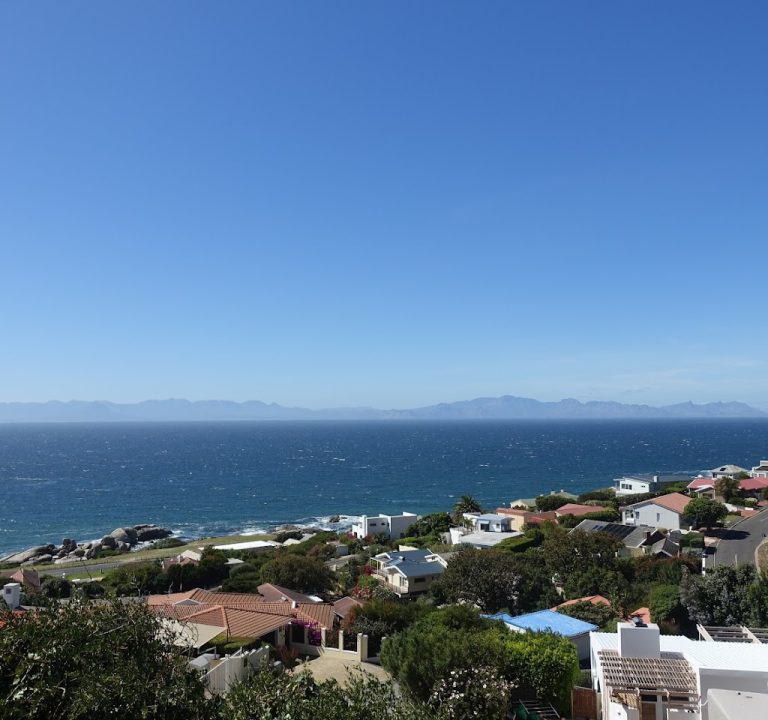
Attractions and nearby experiences are plentiful, though details and access can vary. Iconic natural landmarks and viewpoints are never far away, and guided walks, harbour tours, and half-day trips offer insight into Cape Town’s geography and history. The city’s coastal restaurants range from casual seafood spots to modern eateries with panoramic views; many properties partner with local operators to arrange tastings, picnics, or sunset drinks with ocean backdrops. If you’re seeking cultural immersion, explore the colourful districts, artisan markets, and museums that highlight Cape Town’s heritage. For food lovers, you’ll find a spectrum of options without needing to travel far from most guest houses and hotels.
Practical planning tips:
- Research a couple of base hubs (for example, a central area for city sights and a coastal area for beaches) to balance your itinerary.
- Confirm breakfast arrangements, parking, and accessibility features before booking, especially if you have mobility needs.
- Check proximity to lifts, viewpoints, beaches with blue-flag standards or safety considerations for swimming.
- Book in advance for peak seasons and major events, but leave some days flexible to adapt to weather or local recommendations.
- Use reputable local operators for tours and experiences, and read recent reviews to gauge current quality and safety.
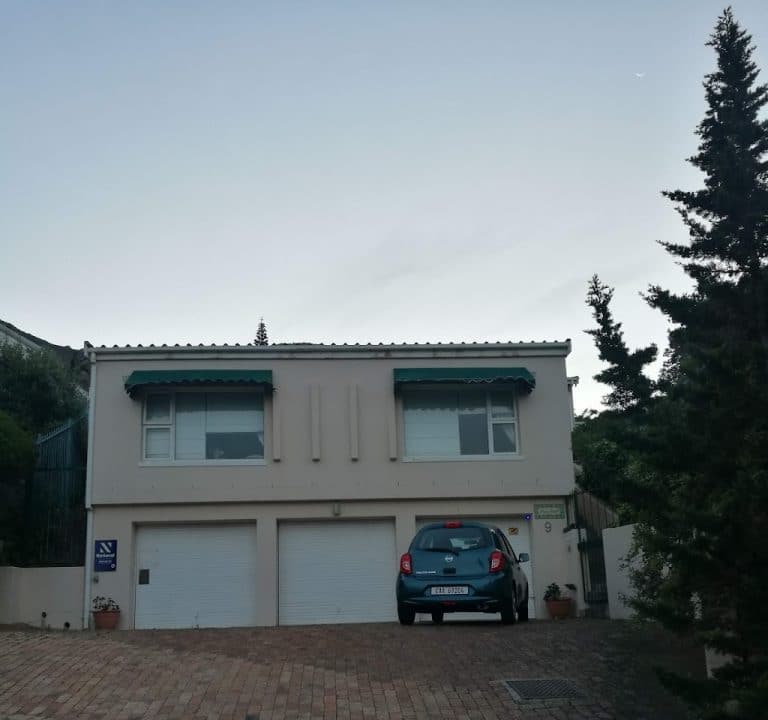
For inspiration and planning tools, consider visiting official tourism resources and reputable travel guides. If you’re staying at a guest house such as Whale Tide or similar properties, you’ll benefit from personalised touches and insider knowledge about the Cape Town area. Links to local tourism information, transport updates, and destination guides can help you map out an efficient and enjoyable stay, leaving you free to soak in the scenery, sample the cuisine, and explore the vibrant life of Cape Town and the Western Cape. For further information, you can explore resources at official tourism portals and regional visitor centres to tailor your itinerary to your interests and the time of year.