Accommodating Cape Town: where to stay and how to plan your visit
Cape Town offers a diverse range of stays, from intimate guest houses to stylish boutique hotels and family-run lodges. When planning a visit, think about what you want from the setting—whether it’s a sea breeze on the Atlantic coast, proximity to world‑class dining and nightlife, or easy access to the city’s iconic sights. For a personalised booking experience, look for hosts who outline clearly what is included in the rate, such as breakfast, parking, or guided recommendations. A well‑located stay can cut transit time, letting you maximise every day in the Mother City.
Neighbourhoods to consider include:
- City Bowl and Gardens: convenient for city sightseeing, museums, markets, and easy access to public transport.
- V&A Waterfront and foreshore: great for harbour views, restaurants, and evening strolls, with many accommodation options offering sea views.
- Camps Bay and the Atlantic Seaboard: sandy beaches, sunset vistas, and a relaxed coastal vibe.
- Constantia and Newlands: leafy suburbs close to wine estates and hillside trails, ideal for quieter stays with a touch of countryside.
- Woodstock and Observatory: vibrant, creative quarters with hip cafés, markets, and easy tram or taxi links to central attractions.
When booking, consider the following practical details. First, assess the room type and layout—whether you prefer a private apartment, a cosy ensuite room, or a full guesthouse with common spaces. Check parking arrangements if you plan to hire a car, and confirm access times if you anticipate late arrivals. Many guest houses and hotels in Cape Town offer scenic balconies or small gardens, which can be particularly appealing during the spring and autumn shoulder seasons.
Typical amenities that travellers value include reliable Wi‑Fi, secure parking, daily housekeeping, and flexible cancellation policies. Breakfast is a popular inclusion; some hosts offer cooked options, while others provide more continental selections. For longer stays, a well‑equipped kitchenette or a small living area can make a big difference. If you’re working remotely, seek accommodation with a dedicated workspace or a quiet corner and a robust internet connection.
Transport in Cape Town is straightforward but varies by area. The MyCiTi bus network offers an affordable way to reach many tourist zones from central bases, while Uber and local taxi services provide door‑to‑door convenience. If you plan day trips to the Cape Peninsula, a car gives you the freedom to explore at your own pace. Speak with your host about parking availability and safe local routes; some guest houses can arrange transfers or recommend trusted drivers. For those who enjoy walking, many central stays are within a pleasant stroll of cafés, markets, and viewpoints, reducing the need for car travel in peak hours.
Best time to visit Cape Town depends on your priorities. Spring (September to November) brings wildflowers and comfortable temperatures, while autumn (March to May) offers mild weather and fewer crowds. Summer (December to February) is peak season with longer days and bountiful outdoor activities, though it can be busier and pricier. Winter (June to August) is cooler and wetter, but you’ll find a cosy atmosphere in many guest houses and good deals off‑season. For beach lovers, the warmer seas and calmer winds of late summer can be ideal, whereas wine enthusiasts may prefer late winter or early spring when estate visits are less crowded but equally enjoyable.
When crafting an itinerary, balance iconic sights with relaxing days. You’ll likely want to spend time at the iconic Table Mountain base or cable car (weather permitting), stroll along the V&A Waterfront, and explore the colourful city markets and diverse eateries. Architecturally, the city offers a blend of classic Cape Dutch influences and modern designs, often best appreciated from a comfortable base with easy access to transportation. A day trip to the Cape Peninsula or the nearby Winelands can complement your stay, offering scenic drives, dramatic coastal scenery, and artisan food and drink as a thematic thread through your visit.
Practical tips for a smooth stay:
- Confirm if breakfast is included and what time it is served, especially if you have early activities planned.
- Ask about security features, such as gated parking or on‑site 24‑hour reception, particularly if you will be returning late from outings.
- Check the cancellation policy and any seasonal terms, because Cape Town experiences high demand around holidays and major events.
- Pack a light layer for cooler coastal evenings, even in summer, and comfortable walking shoes for hills and promenades.
- Research local markets and casual eateries in the area—these often offer a sense of neighbourhood life beyond the typical restaurant scene.
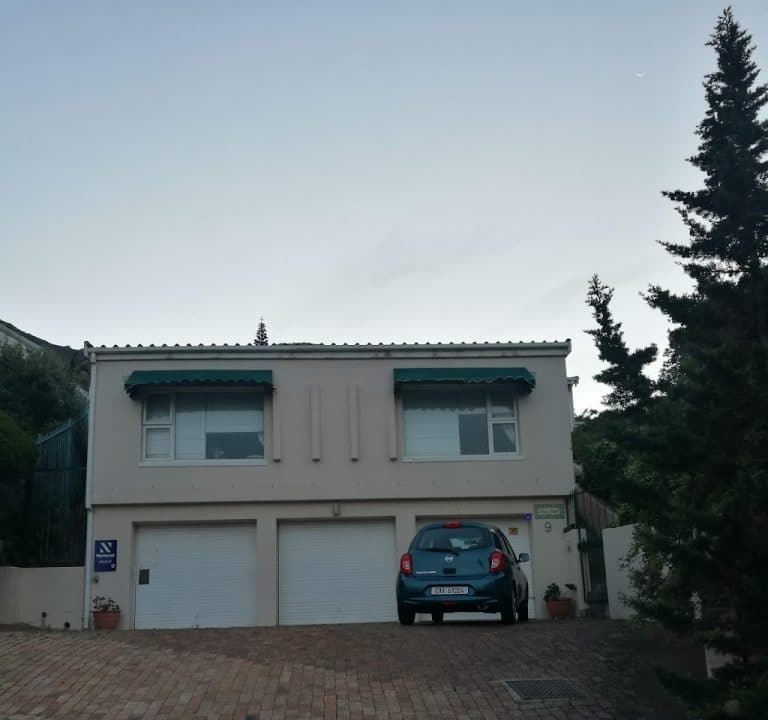
For those seeking a cosy base with a personal touch, Toad Hall, a guest house in Cape Town, can offer a friendly home‑from‑home experience with thoughtful touches and a strategic location. While planning a stay, use reputable travel sites to compare options, read recent guest reviews, and map out travel time between your accommodation and the places you intend to visit. Useful general resources for Cape Town include official tourism portals and regional visitor guides, which can be found online and provide current ideas for experiences, routes, and seasonal events. A well‑chosen base can be the key to unlocking the best of Cape Town—the city where mountain and sea meet in spectacular fashion. For further inspiration and planning, you may explore general accommodation guides and tourism information at official or widely recognised tourism websites.