Cape Town: Where to Stay, What to Do and How to Plan a Memorable Visit
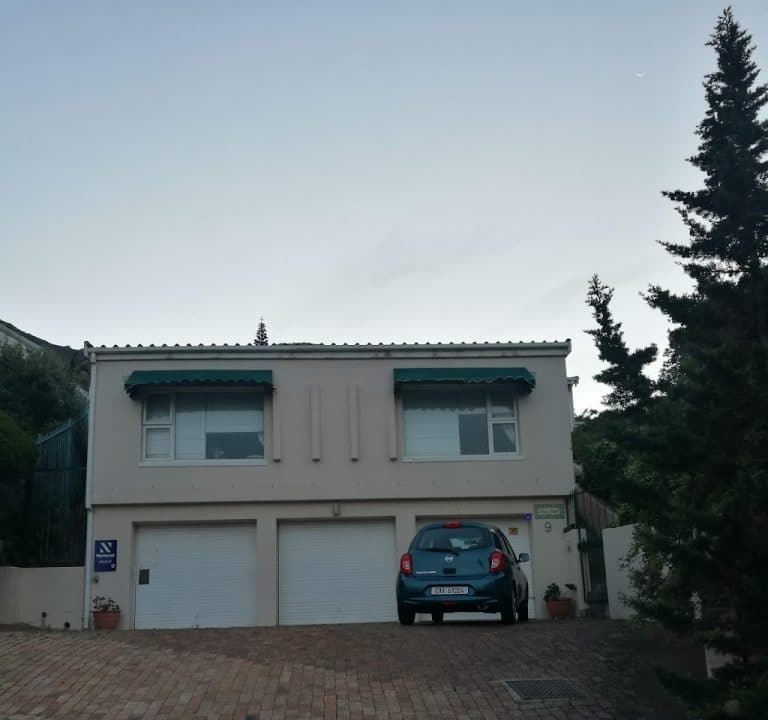
Cape Town offers a captivating mix of coastal charm, iconic scenery and vibrant neighbourhoods, all within reach of a wide range of accommodation. From boutique guest houses to modern hotels and self‑catering options, planning a stay here is as much about choosing the right area as it is about selecting a comfortable base. One option to consider is La Maison Holiday Accommodation, a guest house that exemplifies the kind of personalised service and convenient location travellers often seek when exploring the Western Cape’s spectacular surroundings.
Areas to consider set the tone for your trip. The City Bowl and the central Foreshore feel close to the bustle of markets, museums and restaurants, with easy access to Table Mountain’s cableway and scenic viewpoints. The Atlantic Seaboard, including areas like Camps Bay and Clifton, offers postcard‑perfect beaches, stylish dining and a more relaxed pace, though prices can be higher in peak seasons. Constantia and the southern suburbs deliver a leafy, wine‑country vibe with easy routes to Constantia Valley’s renowned estates. For a colonial‑era flavour and rich culture, parts of the Bo‑Kaap and gardens around the city are charming, while Green Point and the historic inner harbour area provide convenient access to the V&A Waterfront and major transport routes. When selecting a base, consider proximity to your planned activities, as well as access to reliable transport links and parking if you’re driving.
What to look for when booking accommodation is guided by several practical factors. Seek options with good security, clear access and predictable housekeeping standards. If you plan early departures to catch a sunrise hike or late returns after a sunset harbour cruise, a 24‑hour reception or on‑site staff can be helpful. Check for dependable Wi‑Fi, air conditioning or heating suitable for Cape Town’s varied seasons, and a comfortable lounge or communal areas where you can unwind after a day of exploration. For families or groups, family rooms or suites with separate living spaces, child‑friendly facilities, and a kitchenette can make a stay smoother. Hosts who can offer local tips, itineraries and restaurant reservations add value for first‑time visitors. Look for clear cancellation policies and transparent pricing to avoid last‑minute surprises.
Typical amenities you might expect include en‑suite bathrooms, daily housekeeping, secure parking or easy street parking, and on‑site dining or a continental breakfast option. Some guest houses provide guest‑only lounges, small libraries, or outdoor spaces with views. In warmer months, outdoor terraces, plunge pools or nearby beaches are real advantages. If you have mobility considerations, confirm elevator access and ground‑floor rooms. For longer stays, a kitchen or kitchenette and laundry facilities can significantly improve comfort and convenience.
Transport and getting around Cape Town is straightforward but benefits from a little planning. The MyCiTi bus network and well‑drained road system connect most neighbourhoods to major attractions, which is useful for day trips to the Cape Peninsula, Kirstenbosch, or the Constantia wine route. Renting a car offers maximum flexibility, especially for coastal drives and hiking spurts beyond the city centre. If you prefer not to drive, many guest houses arrange shuttle services or can recommend reputable tours and private drivers. A good option is to stay within reasonable walking distance of safe, well‑lit streets and reliable taxi or rideshare options in the evenings.
Best time to visit Cape Town is generally from late spring to early autumn (October to April), when the weather is milder and conditions are ideal for outdoor activities. Summer days are often sunny with cooler evenings, perfect for dining al fresco, beach days, and table‑side sunset views over the Atlantic. Winter (June to August) is cooler and a bit rainier, but the city’s indoor attractions—museums, craft markets, and restaurant scenes—offer a cosy counterpoint. If you plan to hike or explore the Cape Peninsula, pack layers, sunscreen, a hat and sturdy walking shoes, as conditions can change quickly, especially on the high‑wind coast or Table Mountain’s trails.
Attractions and experiences to consider include the iconic Table Mountain and its cable car, the historic Robben Island visit for a sense of South Africa’s recent past, and striking coastal viewpoints along the Atlantic Seaboard. Within easy reach are nature reserves, botanical gardens and ship‑shape harbourside promenades that lend themselves to relaxed days of strolling. For a taste of local culture and flavours, browse markets, casual eateries and seafood spots that showcase Cape Town’s maritime heritage and its diverse communities. Dining ranges from simple local favourites to stylish venues offering panoramic harbour or mountain backdrops; many establishments welcome reservations well in advance during peak periods.
Practical tips to maximise your stay: book accommodation with flexible cancellation during peak travel months, especially if your plans may change. Read guest reviews carefully for insights on noise levels, cleaning standards and staff helpfulness. Confirm the convenience of nearby amenities such as supermarkets, laundries and pharmacies. If you’re planning a longer stay, consider a base that offers a kitchen or kitchenette and nearby grocery access. Finally, keep a simple travel checklist: sturdy shoes, a lightweight rain jacket, sunscreen, a reusable water bottle and a small daypack for excursions. Cape Town rewards curious travellers with a diverse mix of scenery, culture, and hospitality—an ideal backdrop for a memorable South African escape.
- Cozy guest houses with personalised service and local recommendations
- Mid‑range hotels in convenient city or waterfront locations
- Self‑catering apartments for longer stays or families
- Proximity to Table Mountain, beaches and the V&A Waterfront
- Reliable transport options and easy access to tours and excursions