Cape Town: Accommodation, Attractions and Practical Planning for Visitors
Cape Town blends dramatic scenery with a rich cultural mix, making it a standout destination for a stay that combines beach, mountains and city life. When planning where to base yourself, think about what you want to access on foot or by a short transfer. The Mother City stretches from the Atlantic coast into the foothills of the Table Mountain massif, so choosing a neighbourhood carefully can save travel time and enhance your experience.
Areas to consider include the V&A Waterfront and central CBD for easy sightseeing, dining and nightlife; Green Point and Sea Point for a breezy coastal vibe and good transport links; and Camps Bay or Clifton for beach-front charm. For a quieter and more verdant escape, Constantia offers wine routes and mountain scenery, while Woodstock and Observatory provide creative hubs, street art and boutique stays. If you’re aiming for a family-friendly base near sea and parkland, look for properties near Milnerton or the Atlantic Seaboard with convenient access to activities and beaches.
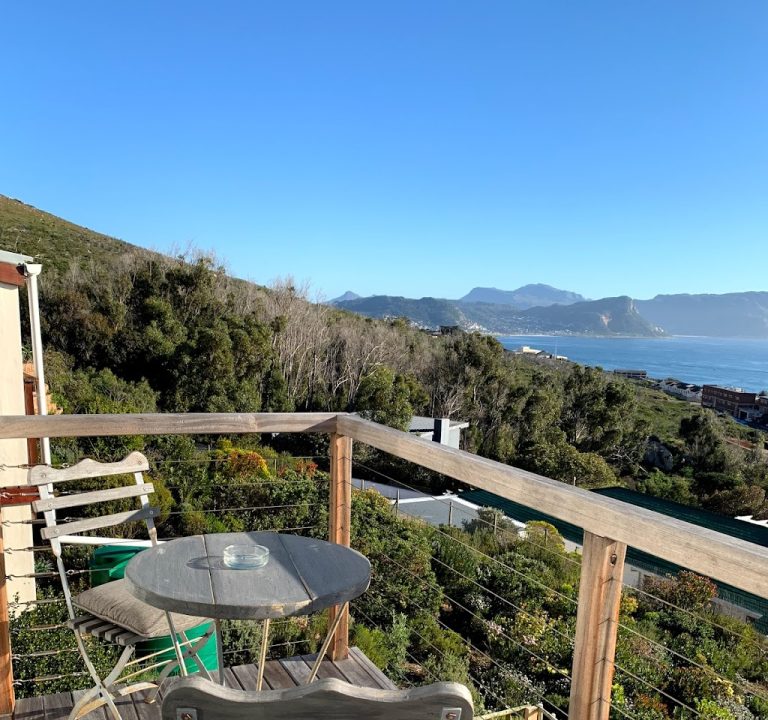
Accommodation options are broad, from stylish guest houses and boutique hotels to self-catering apartments and family-run B&Bs. An indoor lodging option such as Guest House Seadevilla can be part of a mixed portfolio of stays, offering a comfortable base with convenient amenities and a hospitable atmosphere. When browsing, consider the following typical amenities: en-suite bathrooms, reliable Wi-Fi, secure parking, air conditioning or heating, self-catering facilities or breakfast options, and thoughtful extras like in-room workspaces or sea or mountain views. A well-chosen property can reduce daily planning time and add a touch of local character to your trip.
Booking considerations go beyond price. Look for clear cancellation policies, transparent guest reviews, and proximity to public transport or major routes. In Cape Town, practical access often means being near a main roadway, a MyCiTi bus stop, or a taxi app pickup point. If you plan to venture beyond the city centre, check the host’s guidance on driving routes to attractions such as table mountain, beaches, nature reserves, and the winelands. A good property listing will note parking arrangements and any seasonal accessibility issues, such as coastal winds or roadworks that could affect travel times.
Typical amenities that travellers value include reliable hot water, good security, and storage for luggage and gear. For longer stays, consider a kitchen or kitchenette for flexible meals, a laundry facility, and space to work or simply unwind. Some properties offer curated experiences or partnerships with local operators, enabling easy access to day trips, short hikes, or private tastings. If you’re seeking family convenience, ask about child-friendly bedding, safety features, and nearby playgrounds or parks.
Transport in Cape Town is straightforward but varies by neighbourhood. The MyCiTi rapid bus network offers convenient city-wide routes, particularly between the CBD, V&A Waterfront, Green Point, and Sea Point. Taxis and ride-hailing services are common, and some areas are well-suited to walking, especially the compact central precincts. If you’re planning to explore beyond the city bowl, a rental car can be sensible, but be mindful of steep hills, narrow roads in older parts of town, and peak-hour traffic. For trips to the Cape Peninsula, ensure you have clear driving directions or join a guided tour for a smoother day out.
The best time to visit Cape Town is during the southern hemisphere spring (September to November) and autumn (March to May), when the weather is mild and crowds are moderate. December to February brings warmer days and lively city life, but popular beaches and attractions can be busier. Winter (June to August) offers cooler weather and occasional rain, yet the city’s indoor cultural offerings, markets and cuisine make a robust draw. Plan for strong sun protection on coastal days and dress in layers to accommodate changing conditions from sea breeze to mountain shade.
When choosing activities, aim for a mix of nature, culture and cuisine. Iconic highlights are widely spread, so plan at least two or three distinct half-day or full-day experiences, such as a cable-car or hike on Table Mountain, a shoreline stroll along promenades, a visit to the V&A Waterfront for shopping and dining, and a scenic drive to the Constantia wine route or the Cape Peninsula’s dramatic viewpoints. For dining, Cape Town offers a spectrum from casual bistros to refined restaurants with contemporary twists; most venues prioritise fresh seafood, South African favourites, and modern takes on global flavours. It’s common to find venues with sea views, outdoor terraces, or cosy indoor spaces to suit different weather and group sizes.
Practical tips for a smooth stay: book early in peak seasons and consider mid-week stays to secure better rates. Read recent guest reviews for insights on noise levels, host responsiveness, and cleanliness. Check the property’s accessibility features if this matters to you, and verify whether breakfast, parking, or wifi are included. Bring comfortable walking shoes, a light rain jacket, and a portable charger for long days of site visits. If you’re visiting with children or senior travellers, map out a relaxed itinerary with built-in downtime to enjoy your accommodation without feeling rushed.
For planning inspiration and practical planning resources, start with official tourism information and city guides online. They can help you align your stay with seasonal events, local markets, and family-friendly options. Tailor your booking and activities to your interests, and you’ll experience Cape Town as a vibrant, multi-faceted destination where accommodation, transport and attractions come together to create memorable experiences. For more ideas and practical planning tips, you can explore resources at trusted travel portals and official tourism sites.