Cape Town: Where to Stay and What to Do for a Memorable Visit
Cape Town offers a mosaic of neighbourhoods, climates and landscapes, from sun-drenched beaches to leafy suburbia and dramatic mountain backdrops. When planning a stay, consider how you want to balance city exploration with day trips to the surrounding regions. A guest house such as Residence William French provides a personable base in a residential setting, while boutique hotels and self-catering options give different rhythms to your days. The key is to choose a neighbourhood that aligns with your interests and practical needs, then tailor your itinerary around the best experiences the area can offer.
Areas to consider include the city bowl and inner suburbs for easy access to shops, cafes and cultural sights; the Atlantic Seaboard for seaside walks and scenic viewpoints; and the southern suburbs or Constantia for a calmer, leafy atmosphere with a touch of wine country nearby. If you want direct access to Table Mountain and the city’s historic districts, central areas can be ideal. For a more relaxed beach holiday vibe with access to nature reserves, the Atlantic Seaboard or nearby coastal towns are worth exploring. Think about transport links when selecting accommodation, as some areas are more walkable while others benefit from a car or reliable taxi and ridesharing options.
When booking, look for practical amenities that will smooth your stay. A guest house might offer a personal touch with a shaded courtyard, private or shared lounge spaces, and friendly local insights. Important features to confirm include secure parking if you’re driving, reliable wi‑fi, a breakfast option (whether included or available on request), and thoughtful extras such as laundry facilities, late check‑in flexibility or the availability of guided tours or restaurant reservations. If you rely on public transport, proximity to a MyCiTi bus stop or rail link can be a real convenience. For longer stays, consider self‑catering facilities or a kitchenette in your accommodation option to ease meals between outings.
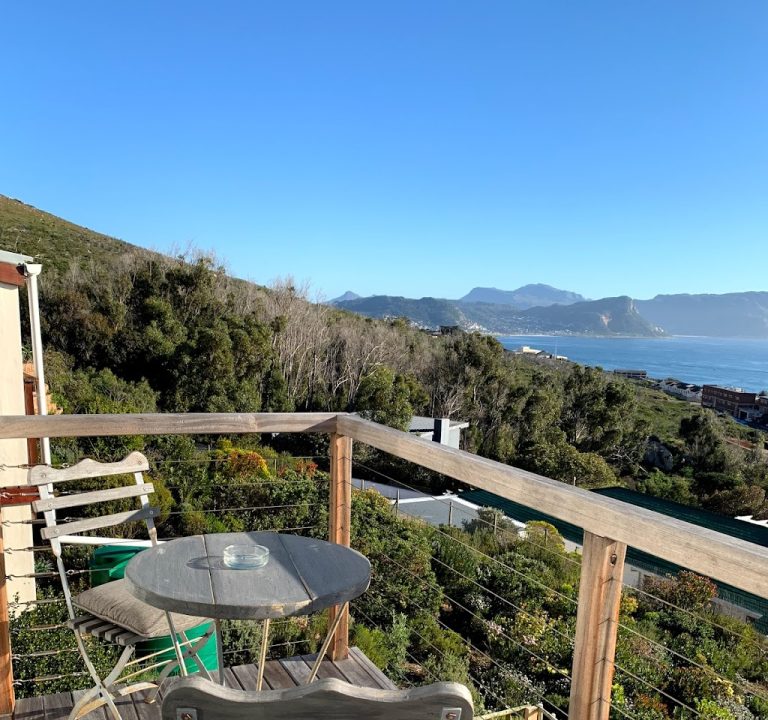
Typical amenities you may encounter range from en suite bathrooms and comfortable sleeping arrangements to air conditioning or heating, blackout curtains, and well‑equipped common areas for socialising or reading. In many Cape Town properties you’ll find balconies or gardens with views of the surrounding hills or the harbour, which can be a real pleasure after a day of sightseeing. Safety features are a practical consideration; look for well‑lit neighbourhoods, secure entrances and staff on site who can offer local guidance and support.
Transport in Cape Town is part of the experience. If you’re staying at a guest house or boutique hotel, you might choose to walk to nearby attractions or join guided walking tours of historic districts. Car hire gives flexibility for coastal drives to the Cape Peninsula, as well as day trips to the Constantia valley or the winelands region. For some visitors, combining a stay in a central, connected area with a couple of nights in a quieter suburb or coastal village offers the best of both worlds. Don’t forget to budget for parking if you’re driving, and consider occasional rideshare use for evenings out when you’re unfamiliar with the routes.
The best time to visit Cape Town hinges on what you want from your trip. The spring and autumn months often offer pleasant temperatures for outdoor exploration, with fewer crowds than peak summer. Summers can be lively, especially along the coast, but can be busy and windy at popular viewpoints. Winter brings milder rainfall and cooler days, which can be ideal for museum visits, markets and cosy dining experiences. Whichever season you choose, plan ahead for popular attractions and make basic reservations where possible, particularly for restaurants and iconic viewpoints that can book up during peak periods.
When planning activities, consider a mix of natural wonders, cultural experiences and leisurely meals. Iconic viewpoints and easy hikes in the surrounding mountains can pair nicely with a visit to markets, galleries or museums to understand the city’s layered history. In terms of dining, Cape Town’s culinary scene ranges from casual, family-friendly eateries to fine dining experiences with a focus on fresh, regional ingredients. Plan a couple of relaxed meals in venues near your accommodation to maximise time for exploring nearby streets, parks and waterfront promenades. If you enjoy guided experiences, many operators offer day trips to the Cape Peninsula, nearby wine estates or scenic coastal routes, allowing you to discover more without the stress of planning every detail yourself.
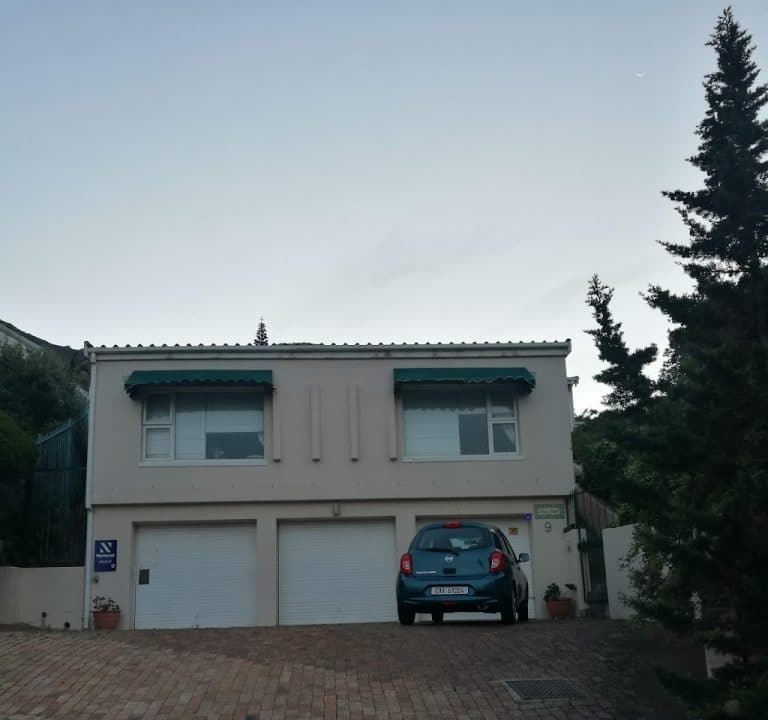
Residence William French, a guest house situated in a well‑placed area, serves as a dependable example of how intimate, well‑run accommodation can support a comfortable stay. For further information and to explore options, you can visit the property’s official website at William French.
- Choose a base with good access to transport and a walkable neighbourhood.
- Check for essential amenities: secure parking, reliable wi‑fi, and breakfast or kitchen facilities.
- Plan a balanced itinerary: nature, culture, markets and seaside days.
- Book key experiences in advance during peak seasons and weekends.
- Bring layers for variable coastal weather and sun protection for outdoor days.
With thoughtful planning, your Cape Town stay can be both comfortable and adventure‑filled, offering a gateway to stunning landscapes, vibrant dining and captivating culture.