Accommodating Cape Town: where to stay and how to plan your visit
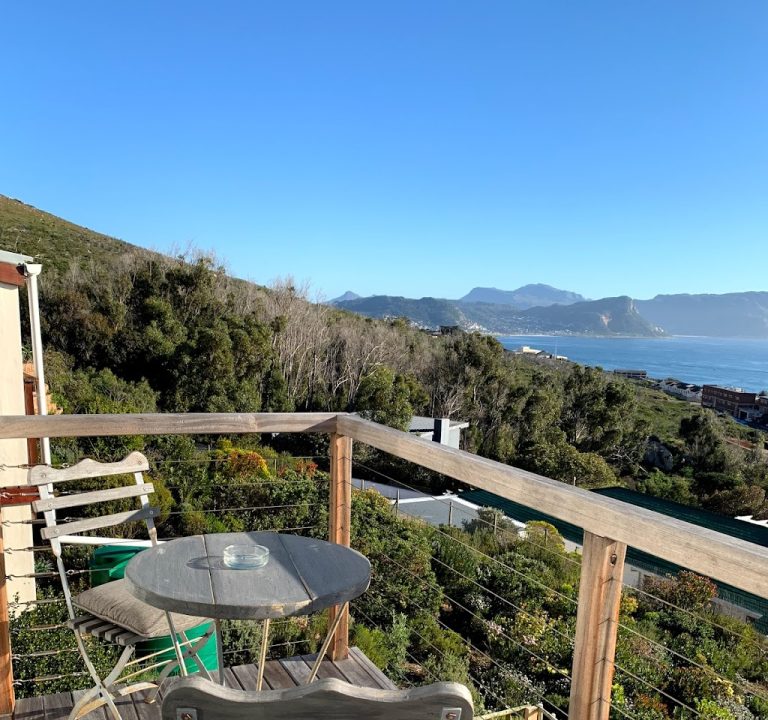
Cape Town, in the Western Cape, offers a rich mix of landscapes, neighbourhoods and experiences that suit many kinds of travellers. From harbour-front stays with sea breezes to hillside guesthouses with views of the city and surrounding mountains, there is a broad spectrum of accommodation to choose from. When planning a stay, consider which area aligns with your interests, accessibility to transport, and the pace you prefer for exploring this diverse region.
Areas to consider include the buzzing city centre (with easy access to museums, markets and dining), the Atlantic Seaboard (for coastal scenery and upmarket guesthouses), and the Constantia Valley (for wine-tasting and leafy tranquillity). If you want a lively mix of nightlife, cafés and affordable eateries, a stay near the V&A Waterfront or Gardens can be convenient. Those seeking calm and scenic walks often favour suburbs close to the mountains or the coast, where guesthouses and boutique stays can provide a more intimate, locally grounded experience. For travellers who want to be close to hiking trails, a base near the slopes of Table Mountain or in leafy Constantia is particularly appealing.
When you book a bed & breakfast, guesthouse or boutique hotel, look beyond the price. Consider: is the property attended by friendly staff who can offer local tips? Is there secure parking if you’re driving? Do meals include breakfast, and if so, what’s the style—continental or hot, cooked options? Is the décor aligned with what you want from your stay—modern comfort, traditional charm, or a nautical or mountain flavour? Availability of Wi‑Fi, climate control, and quiet rooms are practical factors, as are cancellation policies and whether the property is family-friendly or adult-only.
Typical amenities you might encounter include complimentary breakfast, private en-suite bathrooms, free Wi‑Fi, on-site parking, and guest lounges. Some properties offer sea or mountain views, private terraces, or a plunge pool. In many B&Bs and guesthouses, you’ll find thoughtful touches such as locally sourced toiletries, information on walking routes or wine tastings, and easy access to nearby viewpoints or markets. If you’re travelling with luggage, note whether the accommodation provides lifts or ground-floor rooms, and whether there are stairs or steep paths to access rooms.
Transport in Cape Town is an important consideration. The city has a decent public transport network, including MyCiTi buses in metropolitan areas and rail services for longer trips. Uber and other ride-hailing apps are widely used and can be convenient after late dinners or day trips. If you plan to visit areas outside the city, such as wine lands in nearby Constantia, Stellenbosch or Paarl, a car can offer flexibility. Some stays provide easy access to local attractions by foot or short taxi rides, which can be a big plus if you want to minimise driving.
The best time to visit Cape Town varies with what you want from your trip. The summer months (roughly November to February) offer long days, warmer seas and lively street life, ideal for beach days and outdoor activities. Spring and autumn are gentle with fewer crowds and pleasant weather for hiking in Table Mountain National Park or exploring coastal paths. Winter (June to August) brings cooler, wetter weather and testing seas, but it’s also a good time for whale-catching along the coast and quieter streets, with potential bargains on accommodation outside peak periods.
Practical tips to help you plan:
- Book in advance for peak seasons and major events, but be mindful of flexible rates in case plans shift.
- Check the property’s location relative to your must-see spots to minimise long journeys each day.
- Ask about parking arrangements and security, especially if you’re hiring a car or travelling with valuables.
- Clarify included meals and timings; some B&Bs offer traditional breakfasts with local ingredients, while others may provide continental options or self-catering elements.
- Prepare for variable weather—layers work well, and a light rain jacket is handy even in sunnier months.
Beyond where you stay, Cape Town and its surroundings offer a wealth of experiences. General attractions include iconic viewpoints from mountain or coastal vantage points, guided tours to historic sites, nature trails and xenial dining scenes that reflect Cape flavours. You’ll find markets offering crafts and regional foods, wine-tasting experiences in nearby Constantia or neighbouring towns, and a range of restaurants that celebrate seafood, South African cuisines, and contemporary international fare. For a broader sense of local life, stroll through neighbourhoods with small galleries, cafés and bookshops, and consider a day trip to the Cape Peninsula’s coastal routes or to nearby beaches and nature reserves. If you’re staying at Oceans Drift, a boutique bed & breakfast, you can expect a memorable base with easy access to the city’s southern beaches and the Atlantic coast, paired with a warm welcome and a restful escape after days spent exploring.
To plan ahead, consult official tourism resources for up-to-date openings, seasonal events and suggested itineraries, and read recent guest reviews to gauge consistency in service and comfort. With careful planning, your Cape Town stay can combine comfortable accommodation, convenient transport, and a mix of natural beauty, cultural experiences and good dining, all tuned to the pace you prefer for your South African adventure.