Accommodation and Experiences in Johannesburg, Gauteng
Johannesburg, a dynamic hub of culture, history and modern energy, offers a broad range of places to stay that suit different itineraries and budgets. From chic boutique guesthouses tucked in leafy suburbs to contemporary hotels in business districts, planning a stay in the city is as much about choosing the right neighbourhood as it is about selecting a comfortable room. Consider staying in areas such as Sandton for a polished, shopper-friendly base; Rosebank for a cosmopolitan vibe with easy access to parks and markets; Maboneng for a creative, urban experience; or Soweto for a gateway to living history and vibrant street life. Each area has its own rhythm, transport links and dining scenes, so your choice can shape your whole trip.
When booking, look for several practical features that matter in Johannesburg. Wi‑Fi reliability and room cleanliness are essential for both short visits and longer stays. A well-equipped kitchen or coffee station can be a big plus for travellers who prefer a self-catering option. Safe parking or reliable on-site security matters in many suburbs, and a quiet room at the end of a busy day is worth prioritising. If you’re travelling for business or events, a property with a convenient location near conference venues or business parks will save time. For families, mid-sized suites, adjoining rooms or apartment-style accommodation can offer flexibility and value. Reading guest reviews can help you gauge the consistency of service, the responsiveness of staff and the accuracy of listing descriptions.
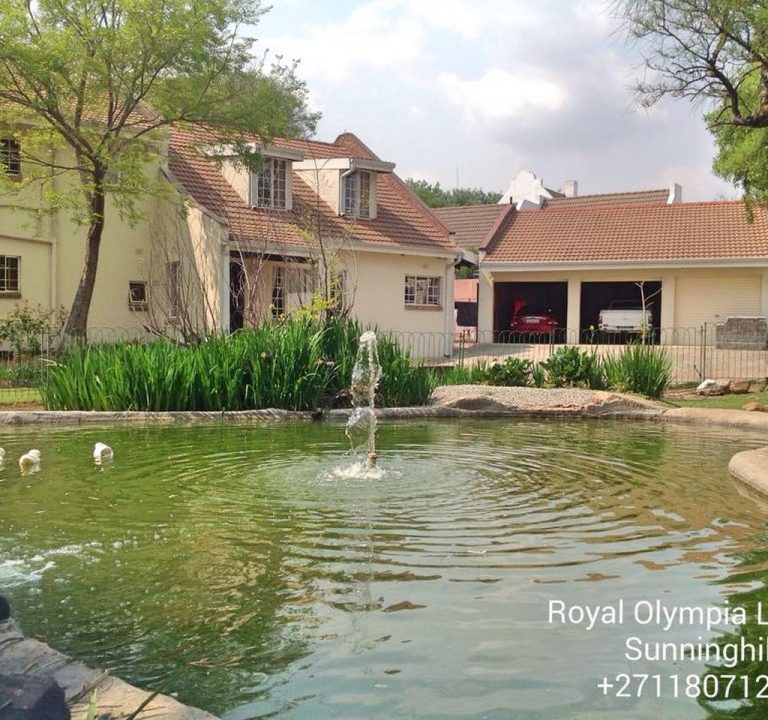
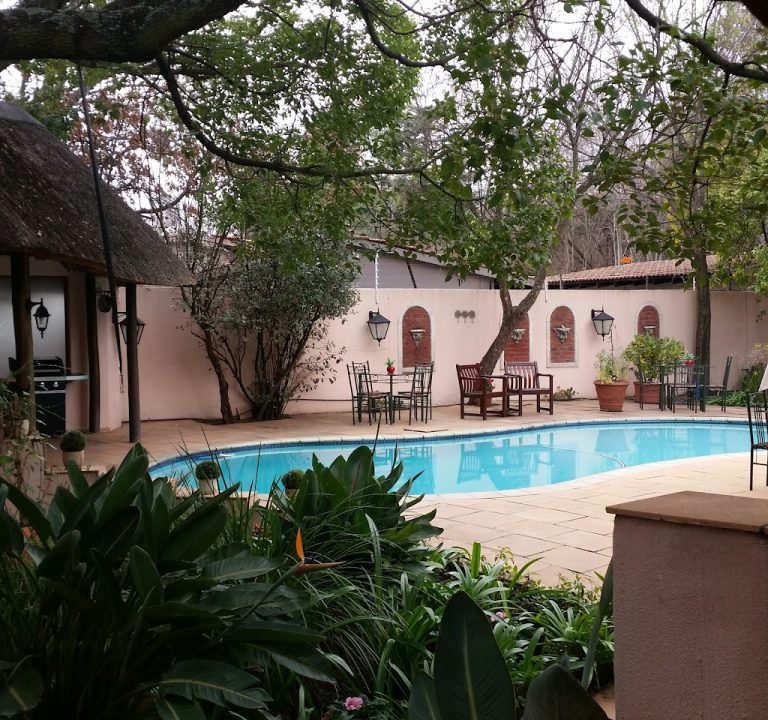
Typical amenities you may encounter include air conditioning or ceiling fans, secure access, on-site parking, a hearty breakfast option, and sometimes on-site dining or bar facilities. Some properties offer organised tours or host creators of local experiences, which can be a convenient way to discover the city without planning every detail. Laundry facilities, fitness areas or pools are common in larger hotels and some guesthouses, though smaller establishments may offer a more intimate experience with personalised touches. If you rely on mobile connectivity, ask about signal strength in rooms and communal spaces, as mobile networks can vary across neighbourhoods.
Transport in Johannesburg is diverse and practical. The city is served by a rail link known as the Gautrain, which connects central Johannesburg to Pretoria and the airport corridor, offering a clean, efficient transit option for day trips or onward travel. Taxis and ride-hailing services are widely available, and many areas are walkable within a radius that includes cafés, markets and cultural venues. If you plan to explore beyond the immediate hotel or guesthouse neighbourhood, check whether your accommodation provides shuttle services or has easy access to main transport arteries. A self-drive option gives you flexibility to visit attractions on your own schedule, but be mindful of peak-hour traffic and parking considerations in central districts and busy precincts.
Best time to visit Johannesburg depends on personal preference. The city enjoys mild, dry winters from May to August, with cooler evenings and clear days ideal for outdoor explorations. Spring and autumn bring pleasant temperatures for strolling precincts, parks and markets. Summer can be warm and sometimes rainy, but it also brings lush scenery and lively street life. If you’re visiting for events or exhibitions, it’s wise to book well in advance for peak periods and to consider staying slightly outside the most congested hubs to secure better value and a calmer experience.
When it comes to attractions and experiences, Johannesburg offers a broad spectrum without needing to plan every detail in advance. You might begin with an accessible city centre walk that reveals historic architecture and public art, followed by a visit to museums that capture South Africa’s complex history and contemporary creativity. Parks, markets and cultural districts provide inviting spots for casual meals, coffee breaks and people-watching. A balanced itinerary often blends these urban experiences with guided tours that offer insight into local life, music, and food culture. For dining, you’ll find a range of places from modern brasseries to casual eateries that showcase flavours and influences across the region. Many visitors enjoy trying a mix of street-food-inspired snacks, traditional flavours in contemporary presentations, and international cuisine, all within a short distance of friendly neighbourhoods.
Optional practical tips to smooth the planning process:
- Book a property with flexible cancellation when travel dates may shift.
- Check the neighbourhood’s safety reputation and morning-to-evening accessibility for your planned activities.
- Identify a few anchor places you want to visit, and choose accommodation within a reasonable radius to minimise long commutes.
- Compare transport options: proximity to high-frequency routes versus the freedom of a car hire.
- Read recent guest reviews focusing on cleanliness, responsiveness and the accuracy of listings.
For further inspiration and planning resources, you can explore official tourism pages and local guides. These often provide practical tips on getting around, seasonal events, and recommendations for dining and experiences that suit different interests, whether you are seeking architectural gems, nature-adjacent escapes, or family-friendly activities. A well-chosen base in Johannesburg can open up the wider Gauteng region, making day trips to nearby towns, nature reserves or cultural centres both feasible and enjoyable. For the latest information, consider visiting official city and tourism sites or contacting your chosen accommodation for tailored advice on the week of travel and special interests you may have.