Johannesburg: Accommodation, attractions and planning your stay
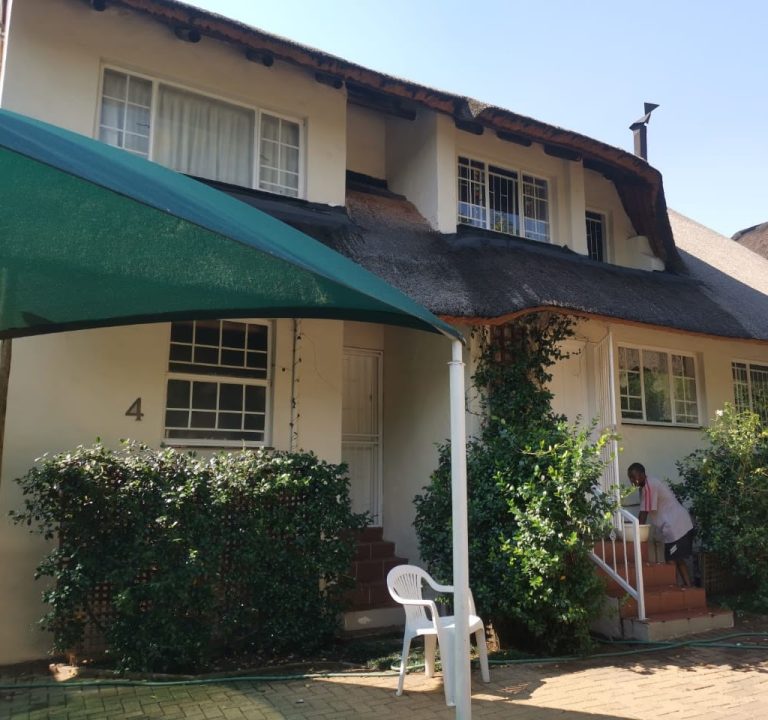
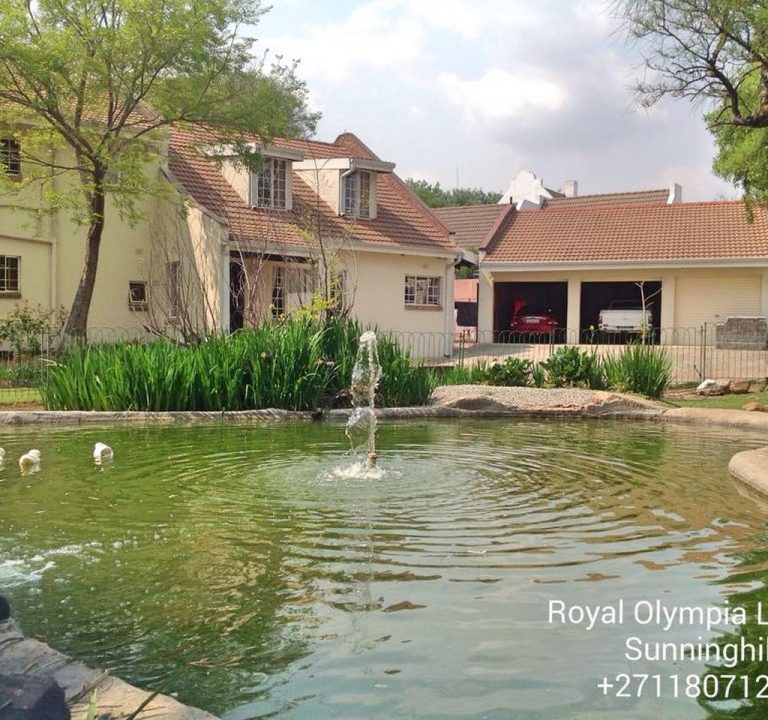
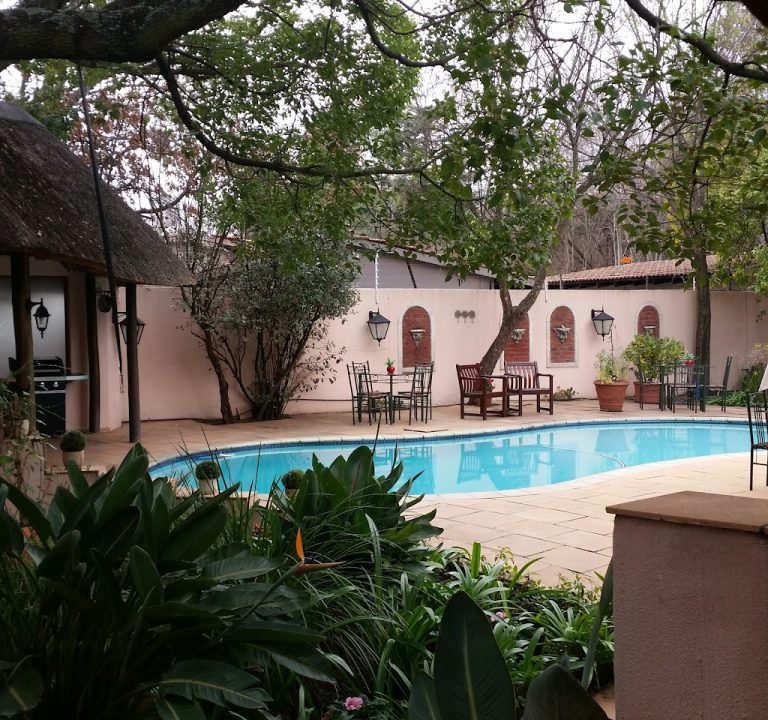
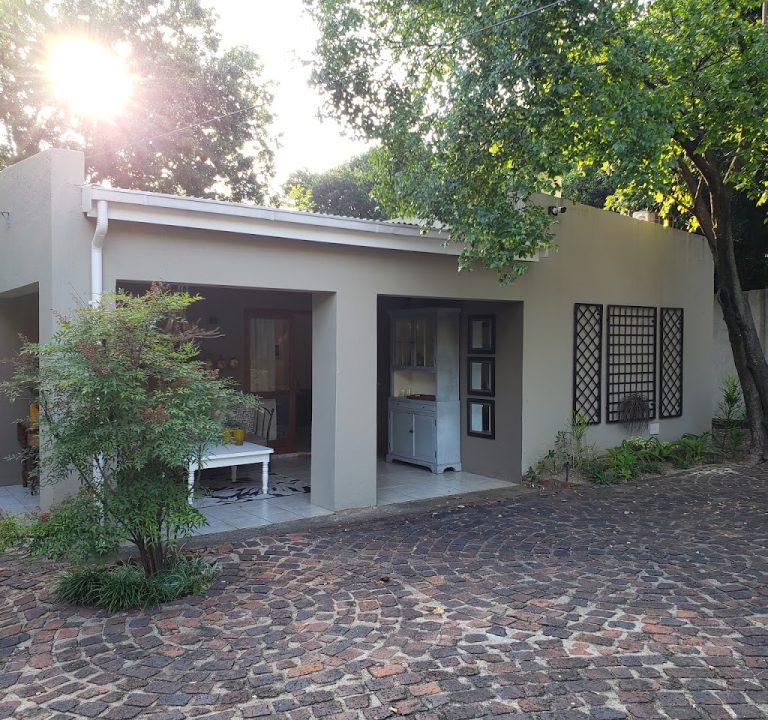
Johannesburg, the vibrant gateway to South Africa’s Gauteng province, offers a diverse mix of accommodation options to suit every traveller. From boutique guest houses in leafy neighbourhoods to modern hotels near business districts, you can tailor a stay to your pace and budget. When planning a visit, it helps to think in terms of location, transport links, and the style of experience you want—from cultural immersion to relaxed shopping and dining.
Areas to consider for your base include the northern suburbs, where leafy streets and secure guest houses sit close to malls, restaurants and business hubs; the central and inner-city districts, which buzz with galleries, markets and live music; and the northern districts around Sandton or Rosebank, which offer easy access to major shopping venues and conference centres. Maboneng Precinct and Newtown in the city centre provide a lively mix of studios, eateries and cultural sights, while áreas in the north offer a calmer pace with boutique stays and personalised service. Your choice will shape daily routines, from breakfast options to evening concessions and safety considerations.
When booking, consider the following to ensure a comfortable and practical stay. First, check the type of accommodation and whether it suits your itinerary—do you prefer a heritage guest house with period charm, a modern boutique hotel, or a self-contained apartment? Second, assess the proximity to the places you plan to visit and the ease of transport at night. Third, review security features and access, especially in central parts of the city where street activity can vary by neighbourhood. Finally, look for hosts or staff who can share local tips on dining, markets, and day trips beyond the city’s core sights.
Typical amenities that travellers value include reliable Wi‑Fi, a comfortable workspace if you are combining work with travel, secure parking or easy access to safe public transport, and convenience features such as on-site dining, laundry services, and flexible check-in. Some guests appreciate complimentary breakfast or kitchen facilities to prepare simple meals. Quiet rooms or soundproofing are worth prioritising if you plan to sleep well after long days of exploring. If you are visiting during peak travel periods, confirm whether an early check-in or late check-out can be arranged and whether there are any local events that might affect traffic or parking.
Transport in Johannesburg is straightforward but varies by area. The city has a growing network of rideshare options, and for longer stays, a car can provide the most flexibility. The Gautrain and local taxis offer reliable alternatives for trips to the airport or key business districts. In and around central areas, walking and short rides are often pleasant, especially when you want to explore markets, street food, and small galleries. If you plan to visit further afield—such as nature reserves or neighbouring towns—consider organising a day trip with your accommodation or a reputable local operator.
The best time to visit Johannesburg tends to be during the dry winter season, when days are sunny and traffic is manageable. Spring and autumn bring mild temperatures which are pleasant for city sightseeing and outdoor markets. Summer months can bring afternoon thunderstorms, so plan outdoor activities for mornings or late afternoons. If you are visiting for business or conferences, align your stay with event dates but leave a little breathing room to savour nearby dining and cultural options.
Practical tips to help you make the most of your stay:
- Book with hosts or properties that provide clear directions, gate or door codes, and sensible security measures.
- Choose a base with easy access to the sights you intend to visit, and verify traffic patterns for peak times.
- Ask about dining options nearby, including casual eateries, markets, and places offering traditional or contemporary dishes.
- Prepare for mobility needs by checking the availability of nearby public transport stops or safe pedestrian routes after dark.
- Pack a light layer for cooler evenings and a hat or sunscreen for outdoor afternoons.
In terms of attractions, visitors to Johannesburg can expect a broad mix of experiences without relying on one single marquee site. Cultural museums and galleries offer insights into South Africa’s history and contemporary life, while markets and precincts provide vibrant atmospheres for strolling, shopping and sampling street food. Parks and green spaces invite a slower pace, and day trips to nearby nature areas or historical towns can complement city living. Dining together with local residents often reveals a variety of flavours—from casual eateries to refined bistros—where you can sample shared plates and flavours that reflect the city’s diverse communities.
For planning your stay, it is worth keeping a rough daily structure that balances indoor and outdoor activities, with time carved out for unexpected discoveries. If you are seeking more personalised guidance, many accommodation providers offer local knowledge, walking routes, and recommendations for low-key experiences that showcase the city’s warmth and hospitality. With thoughtful selection of a base, sensible transport planning, and an appetite for both culture and cuisine, Johannesburg makes for a rewarding and memorable southern African urban break.