Johannesburg: where to stay, what to see, and how to plan a memorable visit
Johannesburg, the vibrant heart of Gauteng, offers a dynamic mix of city energy, cultural landmarks, and friendly neighbourhoods that suit a range of travel styles. When planning a stay, consider the area as much as the property itself. Central hubs are convenient for exploring museums, markets, and nightlife, while leafy suburbs and creative districts provide a calmer base with easy access to transport links, dining, and day trips to surrounding towns.
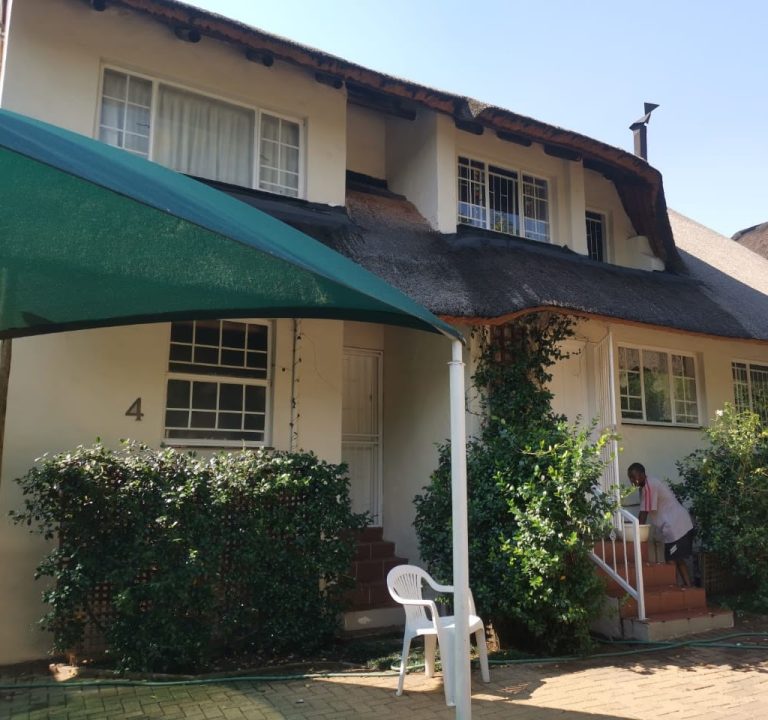
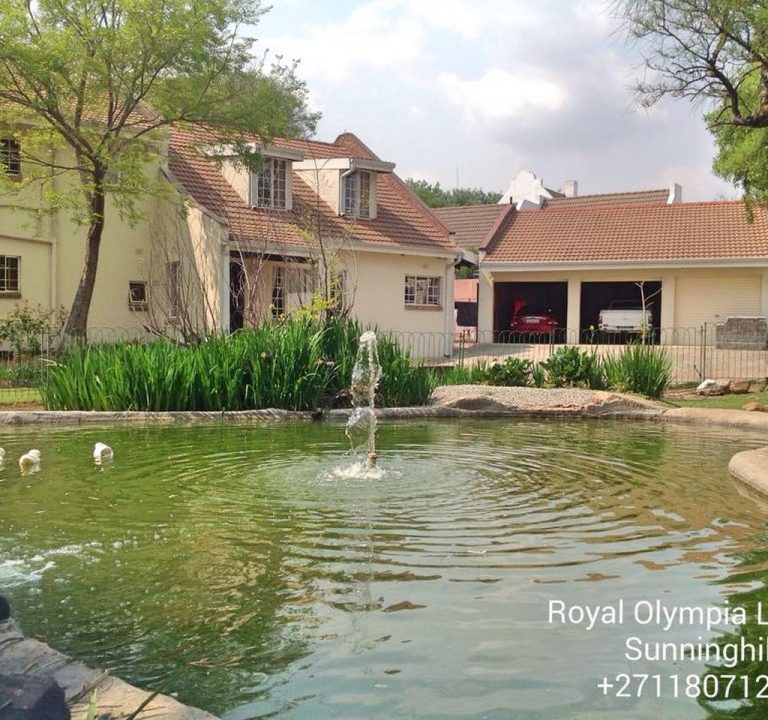
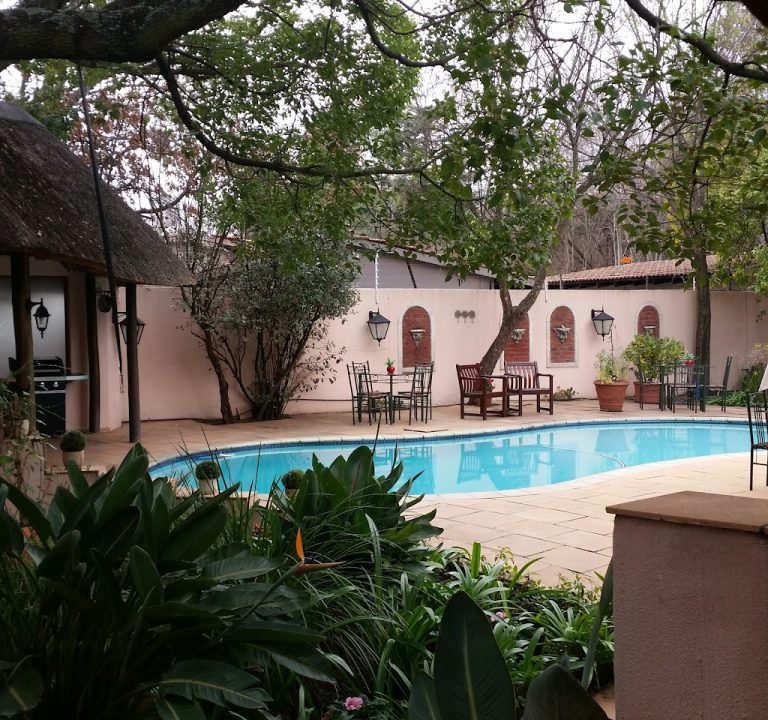
Accommodation options in Johannesburg span stylish boutique BnBs, modern hotels, spacious serviced apartments, and guesthouses with a personal touch. Look for properties that clearly prioritise guest comfort: reliable wi‑fi, well-equipped kitchens or cafés on site, quiet rooms for rest after long days, and convenient transport arrangements. City-centre options are typically well connected to rail and bus networks, whereas suburban or lodge-style stays may offer more space, scenic views, and a sense of retreat after a busy day exploring the city.
One practical approach is to plan by zone. The central business district and nearby neighbourhoods offer proximity to major museums, theatres, markets, and nightlife, with a bustling, urban atmosphere. The northern suburbs, including areas known for shopping precincts and contemporary eateries, are ideal for travellers seeking comfort and easy motorway access. The south and eastern pockets of the city can provide a richer sense of local life and access to historical sites and urban parks. Consider your priorities—culture, shopping, cuisine, or family-friendly activities—and choose a base that minimises long daily commutes.
Typical amenities to look for when booking include robust security features, 24‑hour reception or on‑site staff, and clear guidance on curfews or building policies if you are travelling with a group. A well‑stocked kitchenette or the option to order meals can be convenient for longer stays. For safety and energy reliability, check whether the property has backup power provisions during load shedding periods, and whether there are nearby supermarkets or markets for fresh provisions. A good bed, blackout curtains, air conditioning or heating appropriate to the season, and a pleasant communal area can make a substantial difference to your comfort level.
Transport around Johannesburg is best planned in advance. The city is serviced by a commuter rail network and various bus routes, while ride‑hailing options are commonly available. If you are staying near a rail station or a major transport hub, you’ll save time and reduce the stress of daily trips. For day trips, consider a guided excursion or a hire car with a clear plan for traffic and security. In busy areas, allow extra time for travel, particularly during peak hours or during seasonal events when roads may be busier than usual.
The best time to visit Johannesburg depends on your preferences for weather and outdoor activities. The city has a temperate climate, with warm, wet summers and cooler, drier winters. Spring and autumn bring mild temperatures that are ideal for walking tours and outdoor dining. If you plan visits to nearby national parks, wildlife reserves, or outdoor markets, align your schedule with the local event calendars and the anticipated weather for those days. Remember that sudden summer showers can occur, so packing a compact rain layer is wise.
When exploring attractions, think broadly about what to expect: Johannesburg houses significant historical and cultural sites, expansive parks and gardens, engaging markets, and galleries that showcase contemporary South African art. You’ll find options that span thought‑provoking museums to family‑friendly experiences. If you enjoy the outdoors, urban parks, viewpoints over the city, and river walks provide refreshing respites. For food lovers, expect a broad spectrum of dining—from casual braais and artisanal bakeries to a range of international cuisines and modern eateries in mixed‑use precincts. Markets and food halls are a convenient way to sample a variety of flavours in one stop, while evenings may offer live music or performances at venues across the city.
Practical tips for a smooth stay:
- Plan your days around traffic patterns and the mix of indoor and outdoor activities to maximise daylight and minimise transit time.
- Carry a small amount of local currency for markets and informal stalls, but rely on card payment where accepted for safety and convenience.
- Respect local safety guidance, stay aware of your belongings in busy areas, and choose accommodation with reliable security measures.
- Pack layers to suit variable weather and consider a light jacket for evenings, especially in winter.
- Book attractions and restaurant experiences in advance during peak seasons or weekends to avoid disappointment.
- Use official tourism resources or the accommodation’s concierge to verify current opening times and transport options.
In short, Johannesburg rewards travellers who mix comfortable stays with thoughtful planning. Pick a base that aligns with your interests—whether it’s modern shopping and theatre, historic sites and museums, or authentic neighbourhood experiences—and couple that with practical transport choices and a flexible itinerary. With its diverse mix of districts, you’ll discover a city that’s as welcoming as it is expansive, offering both cosmopolitan energy and memorable, everyday encounters.