Johannesburg: accommodation and planning tips for a stay in Gauteng
Johannesburg, a sprawling city of contrasts, offers a wide range of lodging to suit every traveller’s style and budget. From stylish boutique stays in elevated urban neighbourhoods to comfortable guesthouses tucked into leafy suburbs, the city makes an interesting home base for exploring Gauteng. When planning a stay, it helps to think in terms of areas, accessibility and the kind of experiences you want to curate during your visit.
In terms of accommodation options, you’ll find everything from inner-city apartments and stylish guesthouses to mid-range hotels and larger lodges on the outskirts. For a sense of modernity and convenience, central districts and northern suburbs are popular, while quieter residential pockets in the north and east tend to offer a more relaxed atmosphere. Consider areas that are easy to reach from the airport and well connected to main roads and public transport. If you’re aiming to combine business with leisure, look for properties near business hubs or convention venues; for leisure-focused trips, staying close to cultural quarters or shopping and dining precincts can save precious touring time.
When evaluating a particular property, several typical amenities are worth checking. Reliable wifi, adequate heating or cooling, comfortable bedding, and secure access are essential. Some travellers prioritise on-site facilities such as a guest lounge, a small kitchen or self-catering options, and laundry services. For longer stays, a kitchenette or access to a shared cooking area is particularly convenient. If you’re travelling with family or a group, check whether there are family rooms, adjoining rooms, or apartment-style layouts. A complimentary breakfast can be a nice convenience, while a staffed 24-hour reception is useful for late arrivals. If you’re flying in, proximity to secure parking or easy access to rideshare drop-offs can simplify your arrival and departure plans.
For many visitors, transport is a decisive factor. Johannesburg is well served by the Gautrain network, which provides rapid connections between the city centre, Sandton, and the airport area, making day trips somewhat easier if you plan to explore beyond the capital. In urban districts, ridesharing services and metered taxis are widely available. If you’re driving, check whether the property offers parking on-site or nearby street parking with safety considerations. Consider proximity to rail links or bus routes if you intend to travel without a car. Some guests favour locations near lively neighbourhoods with excellent access to dining and nightlife, while others opt for quieter, residential streets that still offer straightforward access to major routes.
Best time to visit Johannesburg depends on your priorities. The city enjoys a mild winter and a hot, rainy summer. The dry season from May to August tends to bring cooler evenings and clearer skies, which many travellers prefer for city walks and outdoor exploration. Spring and autumn offer comfortable temperatures for outdoor markets, garden attractions and walking tours. If you enjoy outdoor experiences, plan some activities for the shoulder months to avoid peak heat in summer, and always pace your days with hydration and sun protection in mind.
When it comes to experiences, Johannesburg offers culture, history and contemporary urban life in equal measure. You might plan a day exploring museums and heritage sites that recount the country’s past, stroll through vibrant markets or modern art districts, and savour a range of dining options from casual eateries to refined restaurants. In terms of attractions, consider pace and variety: incorporate neighbourhood strolls, galleries, parks and coffee spots into your itinerary so you’re not rushing from one ticketed site to the next. For food and drink, most visitors enjoy trying a mix of cosmopolitan dining scenes and traditional or contemporary cuisine that reflects the city’s diverse communities.
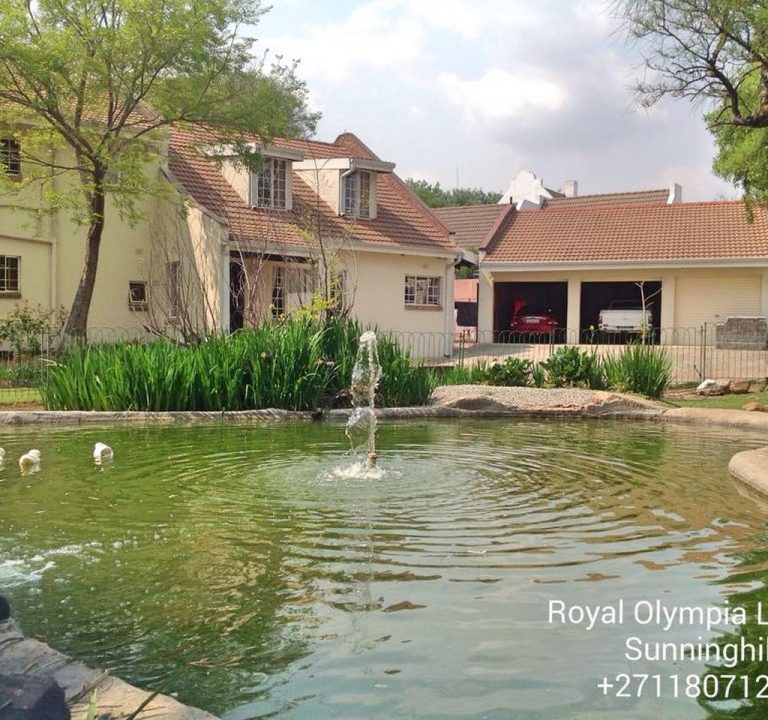
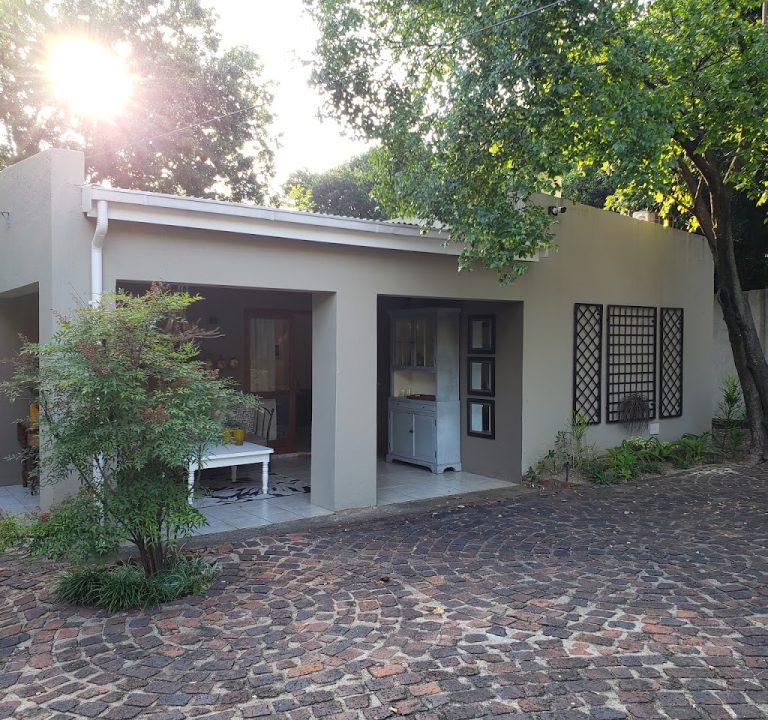
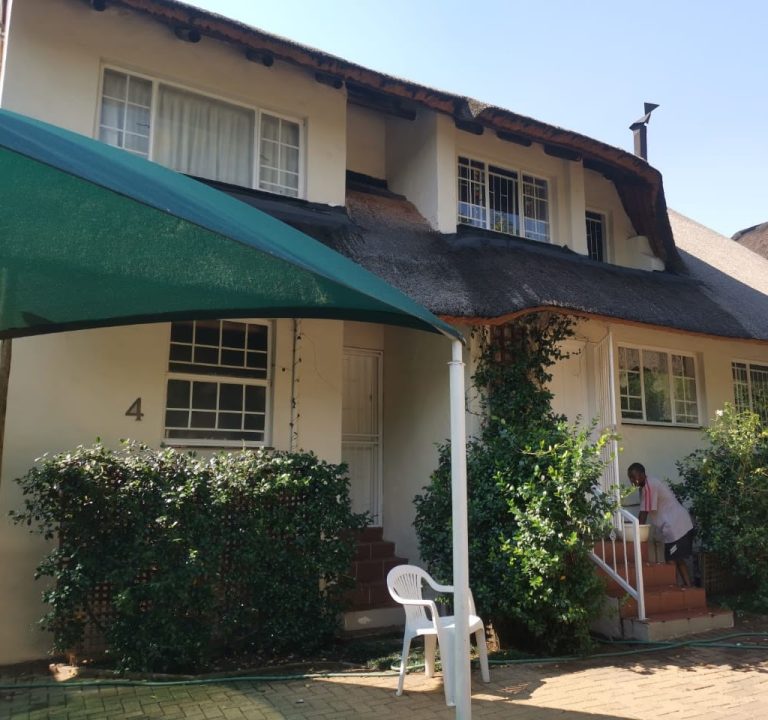
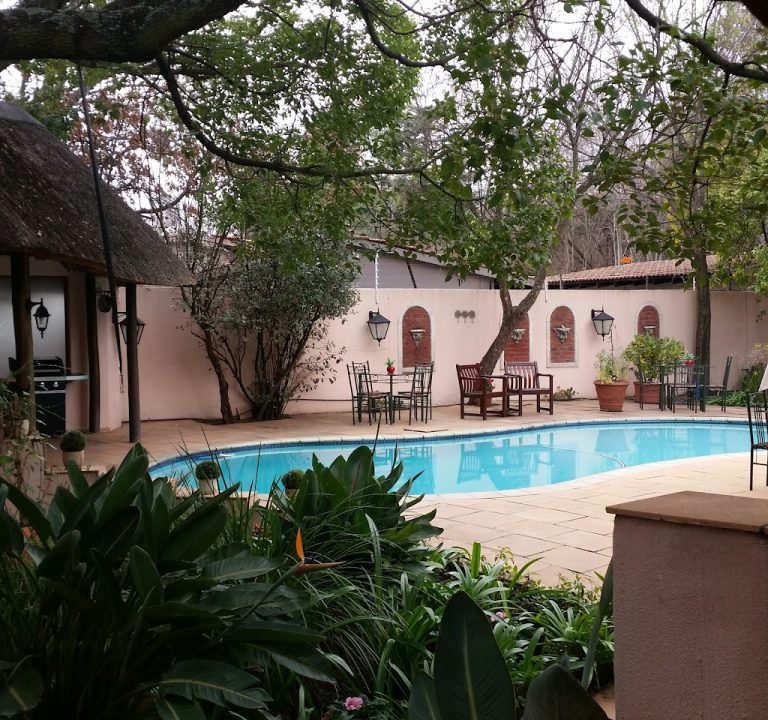
For a concrete example of a stay, you could consider properties such as boutique lodges and guesthouses that offer a personal touch, thoughtful décor and friendly service. One example, suitable for travellers seeking indoor lodging with practical comforts, presents an appealing option within easy reach of key routes and amenities. You can find such properties online and review details, photos and guest feedback. Always verify the latest information on the official site or booking platforms, and compare several options to secure good value for your dates. A well-situated lodge or guesthouse can become a calm retreat after busy day trips and city explorations. For those exploring around northern suburbs, search for places that emphasise comfort, security and easy access to transport links.
Practical planning tips:
- Book a property with clear access to public transport or reliable rideshare connections for easy day trips.
- Choose a location that minimises long transfers between attractions, dining, and your lodging.
- Check for secure parking if you’re driving, and confirm any onsite facilities you rely on (kitchen, laundry, good Wi‑Fi).
- Pack for variable weather and occasional power outages; carry a lightweight travel adaptor if needed.
As a gateway to Gauteng, Johannesburg combines urban energy with a sense of discovery. Whether you prefer a stylish city centre stay, a quiet leafy suburb retreat, or a well‑located lodge on the edge of the city, the key is to balance comfort, accessibility and the pace you want for your trip. For inspiration on where to stay, browse reputable accommodation sites and travel guides, and consider staying a couple of nights in contrasting areas to truly experience the city’s layered character. If you’re curious about a particular property, you can visit its official site to confirm current rates, amenities and booking policies. Royal Olympia Lodge, for example, offers indoor lodging options with emphasis on comfort and convenience, and more information is available through its official website: https://www.royalsunninghill.co.za/