Accommodation and Getting the Most from a Stay in Johannesburg, Gauteng
Johannesburg, often simply called Jo’burg or Joburg, is a sprawling city with a mix of vibrant neighbourhoods, cultural landmarks and a lively dining scene. When planning a stay, think about your priorities—whether it’s easy access to business districts, a hip arts quarter, family-friendly attractions, or proximity to major museums and markets. The right choice of base can shape your experience, so consider areas that align with your planned activities and pace.
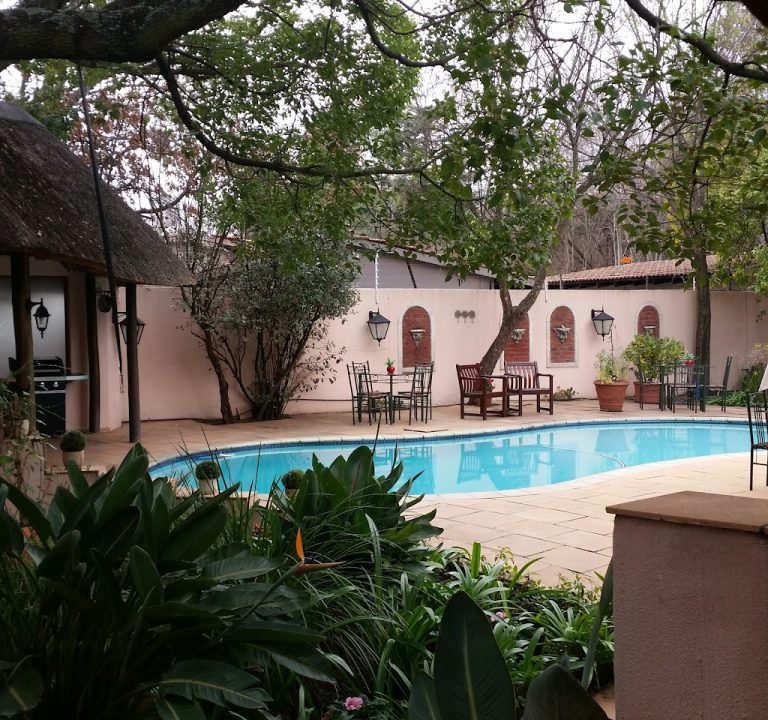
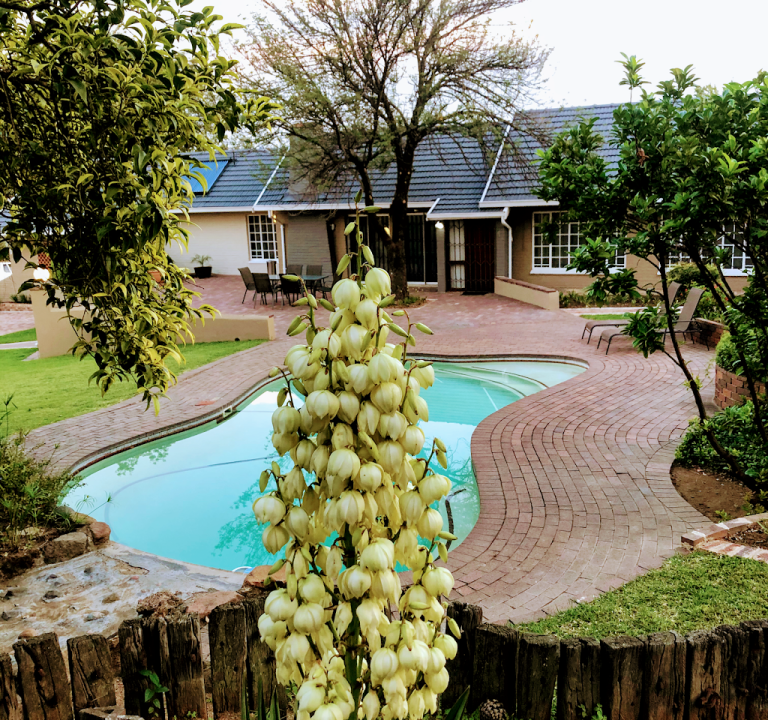
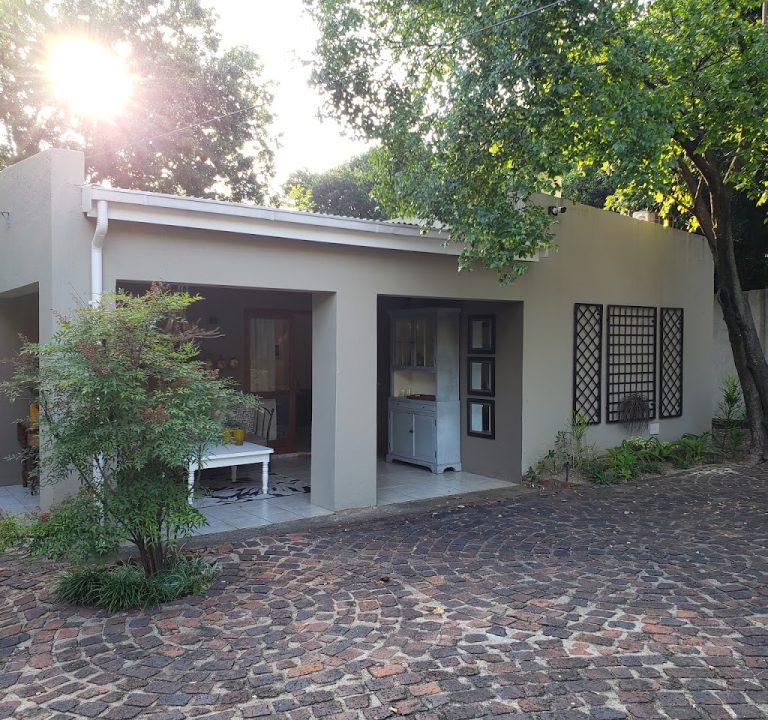
Chislehurst Guesthouse is one example of a guest house option that blends a welcoming home-from-home atmosphere with practical conveniences. Situated in a residential area, it can offer a calmer base while still being within reach of central sights. More information can be found on its website at http://www.chislehurst.co.za/.
Where to stay and what to look for
- Central and business hubs: The northern suburbs around Sandton and Rosebank are popular for shopping, corporate stays and direct access to the Gautrain. These districts provide modern rooms, reliable Wi‑Fi, breakfast options and convenient transit links to the city core.
- Cultural and creative quarters: Braamfontein and Maboneng offer a more urban, walkable vibe with boutique hotels, guesthouses and a growing culinary scene. Look for properties with good security, on-site parking or easy street parking, and easy access to taxis or rideshare services.
- Historic and leafy corners: Suburban areas with leafy streets can be quieter, yet still well connected to attractions. Some guest houses in these zones emphasise personalised service, a friendly atmosphere and garden spaces.
- Soweto and beyond: For a deeper sense of South African history and daily life, consider staying near Soweto. Choose reputable properties that provide clear guidance on safety, transport options and guided tours if you wish to explore with a local.
What to look for when booking
- Location relative to planned activities: Map out your must-see attractions and confirm the shortest travel times to them, considering peak traffic.
- Transport access: Check if the property offers airport transfers, organised tours, or assistance with arranging reliable taxi or rideshare options.
- Safety and security: Look for 24-hour reception or on-site staff, secure parking, and well-lit surroundings.
- Amenities: A comfortable bed, good reading light, sufficient power outlets, reliable Wi‑Fi, daily housekeeping, and privacy features (such as an en suite bathroom) are worth confirming.
- Breakfast and meals: Many guest houses include a continental or full breakfast; some offer dinner or the option to eat nearby at recommended venues.
- Parking: If you’re driving, confirm on-site or secure street parking availability and any charges.
- Accessibility: If you have mobility considerations, check for step-free access, elevator availability, and accessible facilities.
- Guest reviews: Recent feedback often reveals how the property handles peak periods, noise levels, cleanliness, and staff responsiveness.
Typical stay and practical planning
- Length of stay: Short city breaks work well with central bases, while longer visits benefit from a neighbourhood with easy access to daily markets and coffee shops.
- Dining and markets: Johannesburg’s dining scene ranges from traditional South African favourites to contemporary fusion cuisine. Exploring local markets and eateries in neighbourhoods like Maboneng or Braamfontein can be a highlight of your visit.
- Getting around: The city is large, so plan your days with transport options in mind. The Gautrain provides fast links to Pretoria and the airport region, while Uber or other rideshare services are widely used. If you’re staying a bit outside the centre, confirm taxi or transfer arrangements for evenings.
- Best time to visit: Spring (September to November) and autumn (March to May) offer mild weather and fewer thunderstorms than the peak summer months. Winter is generally mild and can be pleasant for city sightseeing, while summer might bring warm days with occasional showers.
- Practical tips: Pack adaptors for South African plugs, carry a city map or offline navigation app, and budget for entrance fees to major museums and exhibitions. Some attractions have varied opening hours; check ahead to avoid disappointment.
Attractions and nearby experiences (general terms)
- Museums and historical sites: Johannesburg hosts important national museums and memorials that cover the country’s past, often with engaging displays and interactive exhibits.
- Markets and arts districts: Markets and creative hubs give visitors a sense of local life, with crafts, food, live performances and themed walking routes.
- Family-friendly outings: Zoon-friendly parks and urban greenspaces offer relaxed days, with opportunities for picnics and gentle strolls between sights.
- Nature and day trips: The region offers easy day trips to nearby natural sites and historic places of significance, providing a contrast to the city’s urban energy.
- Food and drink experiences: A broad spectrum of dining options ranges from casual eateries to refined venues, reflecting the city’s diverse communities.
Booking, cancellation and staying connected
- Policies: Review cancellation terms and any minimum-stay requirements, especially around peak travel periods.
- Direct websites: Booking via the accommodation’s official site or through reputable platforms can provide clearer details on inclusions and add-ons.
- Local information: Once you’ve booked, use the host’s guidance for local tips, best transport options at different times of day, and recommendations for safe, enjoyable outings.
In summary, Johannesburg rewards travellers who choose a base aligned to their interests and who plan with practical transport and safety in mind. With careful selection of a neighbourhood, clear checks on amenities, and a flexible itinerary, your stay can balance comfort with immersive experiences in this dynamic South African city.