Johannesburg: A traveller’s guide to accommodation, attractions and practical planning
Johannesburg, colloquially known as Joburg or Jo’burg, is a sprawling city that blends modern gloss with rich, multifaceted neighbourhoods. Its accommodation options range from boutique guesthouses and stylish lofts to family-friendly hotels and contemporary apartments. When planning a stay, think about the rhythm of the city you want to experience: cosmopolitan dining and nightlife, cultural institutions, or easy access to nature and wider Gauteng escapes. The right base can make day trips or evening strolls feel effortless rather than exhausting.
Areas to consider depend on your priorities. The northern suburbs often offer leafy streets, safer-feel residential vibes and easy access to business districts, modern eateries and shopping. The central and Johannesburg CBD zones present a blend of heritage architecture, museums and lively urban life, with a growing number of design-led stays and converted venues. The northern and eastern suburbs are convenient for access to parks, reserves and family-friendly attractions. When selecting a place to stay, weigh proximity to your planned activities, transport options and the level of bustle you’re comfortable with after a day’s sightseeing.
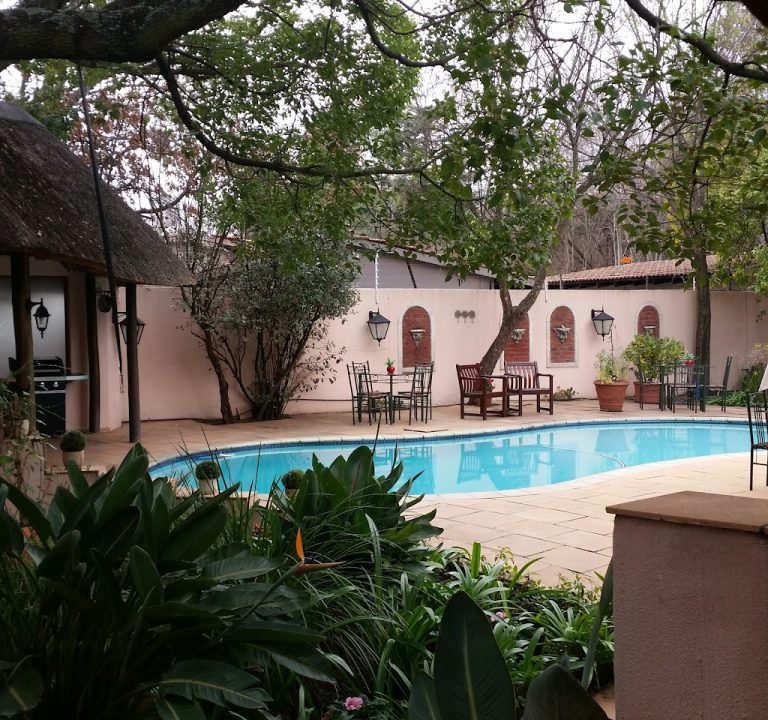
Typical amenities to look for include secure parking or easy access to reliable transport, in-room Wi‑Fi, air conditioning or heating, a properly equipped kitchenette or a breakfast service, and a clear policy on cleaning and guest privacy. If you will rely on rideshare or car hire, check whether the property offers parking or has on-site staff able to assist with arranging transport. Some stays include generous communal spaces, such as a garden, courtyard or rooftop terrace, which can be a welcome break after a day of exploring busy city streets.
Transport in Johannesburg is varied. The city is served by a network of airports, major highways and rail links, along with ride-hailing services and local taxi options. If you plan to travel beyond the city centre or to nearby attractions, assess the convenience of public transport versus private hire. For those favouring a walkable base, look for stays situated close to safe pedestrian routes, with easy access to cafés, markets and cultural venues. Discuss access to reliable information with your host or property manager, as local advice can be invaluable for navigating day-to-day logistics safely and efficiently.
The best time to visit Johannesburg is guided by personal preferences and the activities you have in mind. Summer (October to March) can bring warmer days and the possibility of afternoon showers, ideal for those who enjoy outdoor markets, city parks and daytime cultural programmes. Winter (May to August) offers cooler, often crisp days and a quieter pace in some areas, which can be ideal for museum visits and dining experiences without crowds. Shoulder seasons frequently combine pleasant weather with reduced hotel prices and fewer tourist queues, making them attractive for more relaxed exploration.
When planning an itinerary, consider a mix of attractions that showcase Johannesburg’s diversity. Museums and galleries offer insight into the city’s history and contemporary culture, while parks and nature reserves provide breathing space away from the urban bustle. If you enjoy shopping and markets, look for districts that feature craft stalls, local design shops and pop-up eateries. For dining, Johannesburg offers a spectrum of venues from casual bistros to more refined restaurants; many areas host vibrant night markets and multicultural eateries where you can sample dishes influenced by the city’s diverse communities.
Practical tips for a smooth stay:
- Book a stay with clear security provisions and responsive staff who can advise on safe neighbourhoods and travel routes after dark.
- Ask about air conditioning or heating, especially if you are visiting during the city’s warmer or cooler months.
- Check what is included in the rate—parking, breakfast, and cleaning services can affect daily costs and convenience.
- Plan some buffer time in your schedule for traffic and unexpected delays; Johannesburg is a large, busy city and travel times can vary.
- Respect local customs and neighbourhood norms, particularly in residential areas, and stay aware of your surroundings when exploring after dusk.
Beyond the accommodation, there are several general attractions and food experiences you might enjoy. City-centre institutions often showcase both historical and contemporary narratives, while nearby parks and botanical spaces offer opportunities to unwind. A neighbourhood stroll can reveal street art, markets and casual eateries where the emphasis is on flavour, hospitality and a relaxed pace of life. When selecting experiences or dining venues, look for places that value sustainability, local suppliers and friendly, approachable service, so that every meal or outing supports the communities you’re visiting.
For those who want a seamless planning experience, you can explore curated stays that prioritise comfort, accessibility and authentic local flavour. A well-chosen base in Johannesburg can anchor your visit, making it easier to combine memorable city experiences with day trips to attractions in the wider Gauteng region. As you plan, keep a flexible mindset, allow time to discover less-touristed corners and enjoy the unique energy that Johannesburg so readily offers to travellers who take the time to explore thoughtfully.
For more on lifestyle and travel planning in South Africa, you may wish to visit related resources and official tourism pages that provide up-to-date guidance on neighbourhoods, transport options and seasonal events. Odyssey Lifestyle offers a perspective on planning that can complement your stay in Johannesburg and beyond.