Staying and Exploring Ulundi: Accommodation, Attractions, and Practical Planning
Ulundi in KwaZulu‑Natal offers a compact yet vibrant base for travellers seeking a blend of history, culture and easy access to the broader region. The town is historically significant as the former capital of the Zulu Kingdom, and today it serves as a convenient junction for exploring nearby game reserves, countryside scenery, and rural villages. When planning a stay, consider where you want to base yourself—from central Ulundi for convenience and local flavour to quieter neighbourhoods a short drive away for a more relaxed pace.
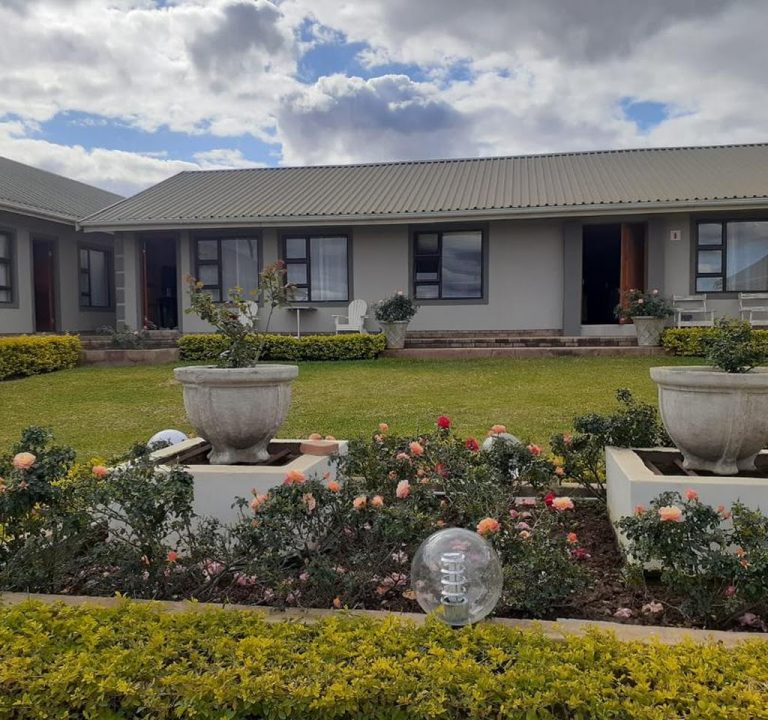
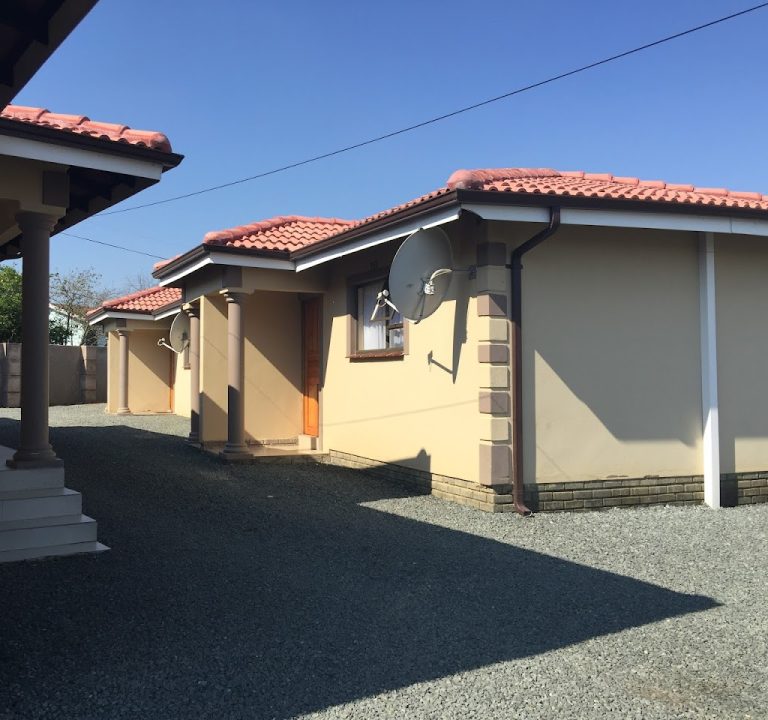
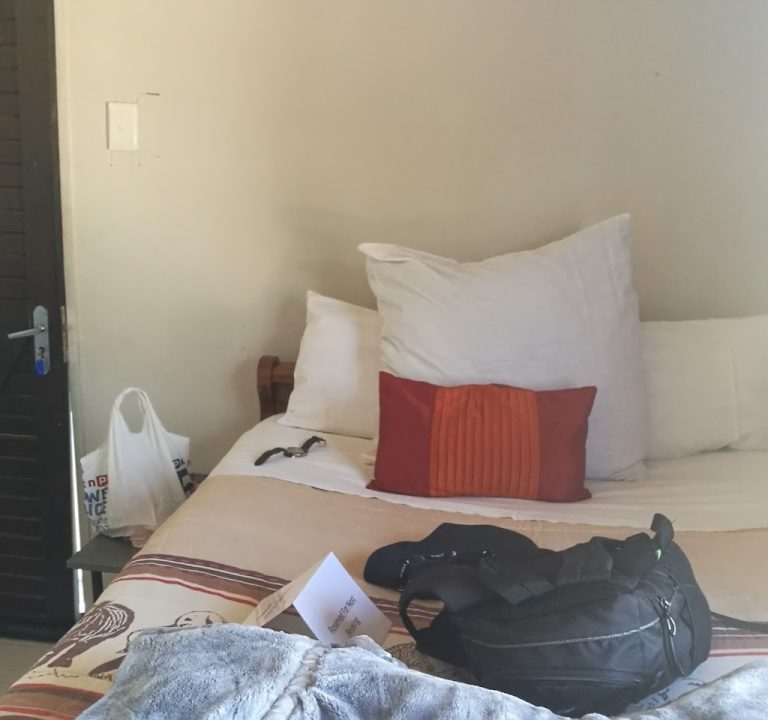
Accommodation in Ulundi ranges from guesthouses and small hotels to simple lodges and country houses. Options like Vikamana Guest House (a recognised local choice) exemplify the intimate, personal service you can expect in the area. Booking with a property that clearly communicates its facilities and access to local sights can make a big difference, especially if you are travelling with family, a group, or on a longer visit. Practical details to check before booking include the size and layout of rooms, on-site dining options,secure parking, and 24‑hour reception or staff assistance.
Key areas to consider when choosing where to stay include the town centre, which typically offers the best access to shops, markets and local eateries. If you prefer a more tranquil setting, look for guesthouses or lodges on the outskirts of Ulundi or along quieter rural roads, where you may enjoy larger grounds, a slower pace and improved privacy. For travellers combining a stay with wildlife viewing, identify properties within reasonable driving distance of reserves or parks, so early morning departures are feasible without long transfers.
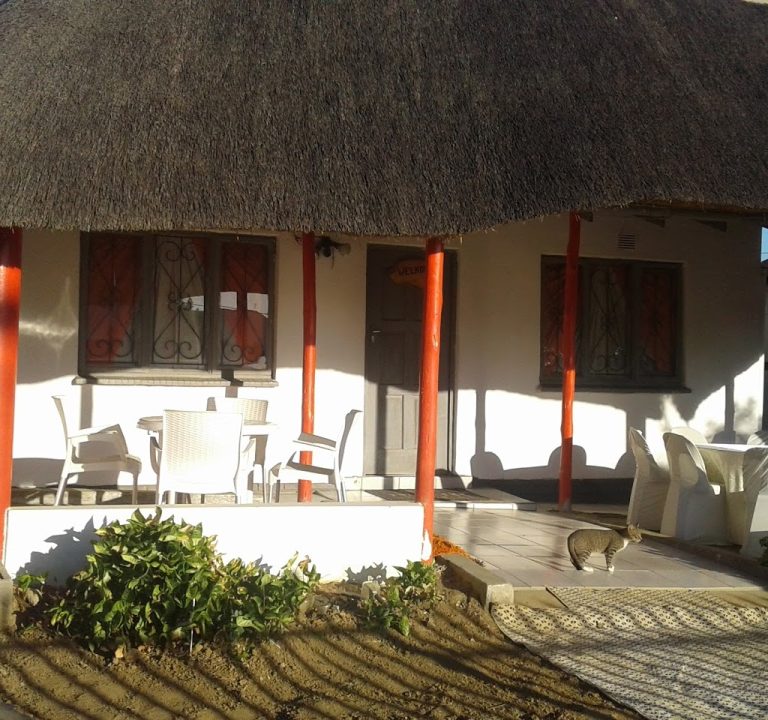
Typical amenities that visitors value in Ulundi include reliable Wi‑Fi, private or en‑suite bathrooms, air conditioning or fans for warm KwaZulu‑Natal nights, and efficient housekeeping with flexible meal arrangements if on a half-board basis. A growing number of places offer continental or traditional breakfasts, with options for packed lunches for day trips. Outdoor spaces are appreciated too, with courtyards, verandas or garden seating enabling comfortable evenings after day trips.
Transport in and around Ulundi is straightforward but can vary by property. If you are not renting a car, look for accommodations that arrange shuttle transfers or have easy access to local taxis or ride‑hailing services. Staff at guesthouses and small hotels are usually well placed to help with day trips, guided excursions, and advice on safe routes. For travellers planning to explore the broader region, a car offers maximum flexibility to reach rural communities, markets, and less-visited viewpoints. Remember to confirm whether parking is on‑site and whether urban streets permit easy, vehicle-based access during your stay.
The best time to visit Ulundi and the surrounding region balances weather, events and agricultural rhythms. KwaZulu‑Natal enjoys a warm climate, with long summers and occasional rains in the summer months. Winter can be cooler, with crisp mornings ideal for outdoor activities. Shoulder seasons—when temperatures are comfortable and crowds are lighter—often provide a pleasant mix for sightseeing, photography and relaxed meals out. If you are visiting during the agricultural calendar, you may witness seasonal markets and community activities, which can enrich your experience with local colours and flavours.
When it comes to planning day-by-day, a practical approach is to cluster experiences around a few themes: culture and history, nature and scenery, and local cuisine. In Ulundi itself, you can expect to encounter museums, monuments and cultural centres that illuminate the region’s past and present. Outside the town, you can explore nearby wildlife reserves, game viewing nodal points, and scenic routes that showcase rural KwaZulu‑Natal. Building some flexibility into your itinerary—allowing for relaxed lunches, sudden photography stops, or a longer visit at a particularly engaging site—helps alleviate stress and maximises enjoyment.
Dining in Ulundi ranges from simple cafes to more traditional eateries that showcase KwaZulu‑Natal flavours. When choosing places to eat, look for venues that source fresh, local ingredients and offer varied options to suit dietary needs. Many accommodations will provide recommendations or even arrange meals on request, which can save time and help you sample regional favourites in a relaxed setting. If you’re keen on a broader dining scene, plan a short excursion to nearby towns or markets where you can try a variety of dishes and interact with local producers.
Practical tips for a smooth stay in Ulundi:
- Check the proximity of your accommodation to the places you want to visit to minimise daily travel time.
- Ask about gate times, wildlife rules and driving distances if you plan to visit reserves or rural areas.
- Pack comfortable footwear for walking and sun protection for long outdoor days.
- Confirm water and electricity arrangements if you are visiting during a dry spell or in rural settings.
- Bring a light layer for cooler evenings, especially in higher veld or open countryside.
For those seeking a relaxed yet authentic KwaZulu‑Natal stay, Ulundi offers welcoming accommodation with a personal touch, practical amenities, and ready access to both cultural heritage and natural beauty. Whether you choose a cosy guesthouse, a small hotel, or a lodge on the edge of town, you’ll find that planning around where you’ll rest, how you’ll eat, and how you’ll move will help you make the most of your visit to this distinctive corner of South Africa. For further inspiration, many properties maintain user-friendly websites with details on rooms, amenities, and nearby experiences, including links to local attractions and dining options.