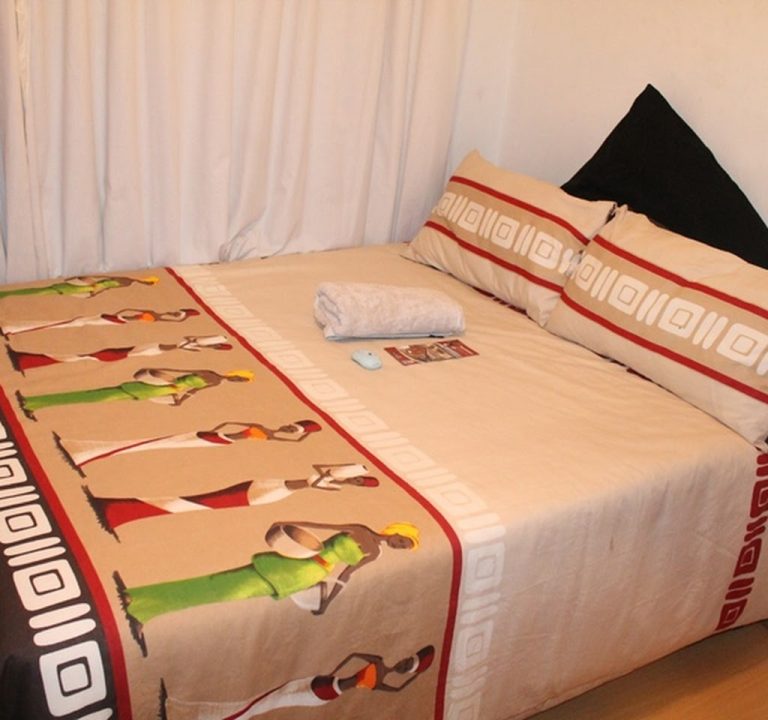
Accommodation and Experiences in Ulundi, KwaZulu-Natal: Planning Your Stay
Ulundi, the historic heart of KwaZulu-Natal, offers a compact yet welcoming base for travellers seeking culture, easy access to nature, and a slower pace of life. When planning a stay in Ulundi, consider how you want to balance restful accommodation with day trips to nearby reserves and cultural sites. The town is well suited to travellers who value authentic hospitality, straightforward transport links, and a flavour of rural KwaZulu-Natal life.
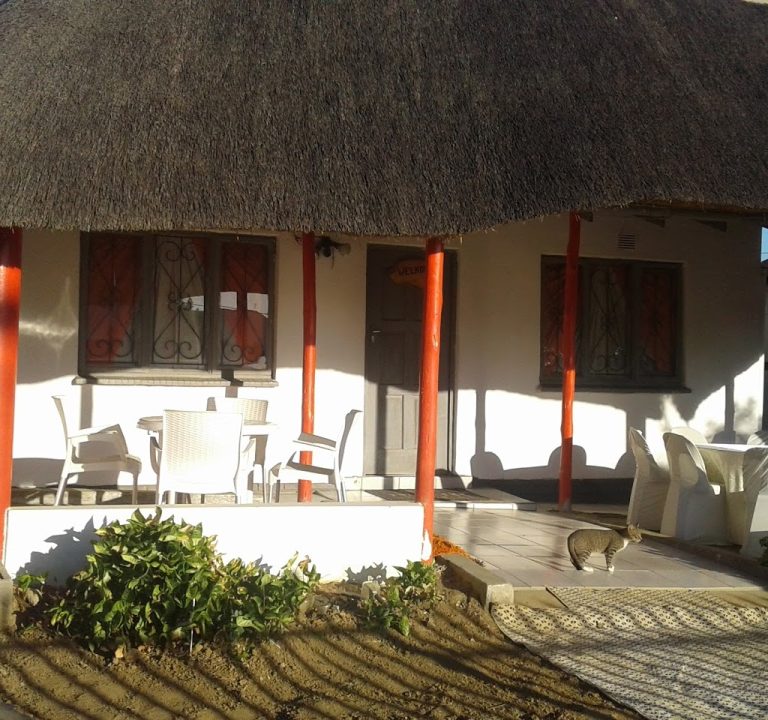
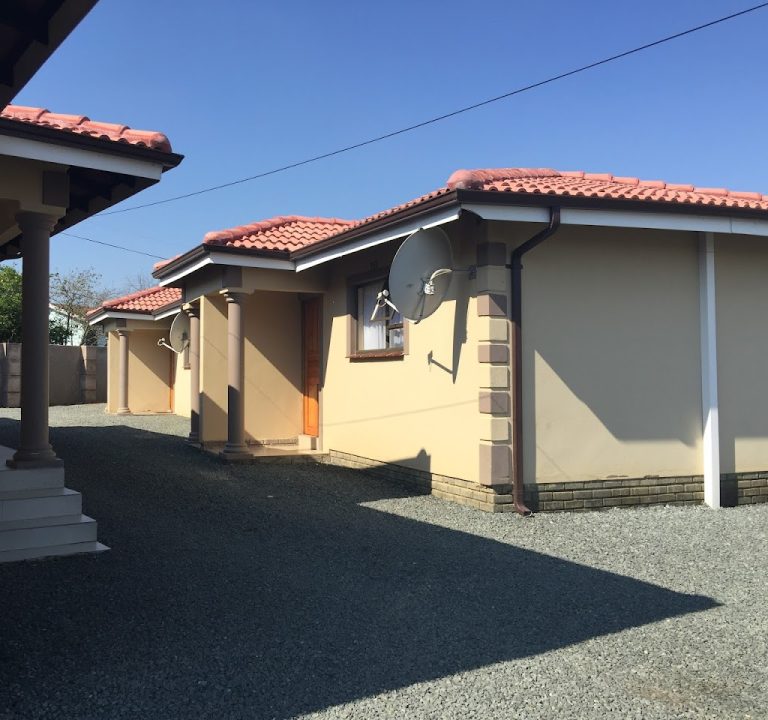
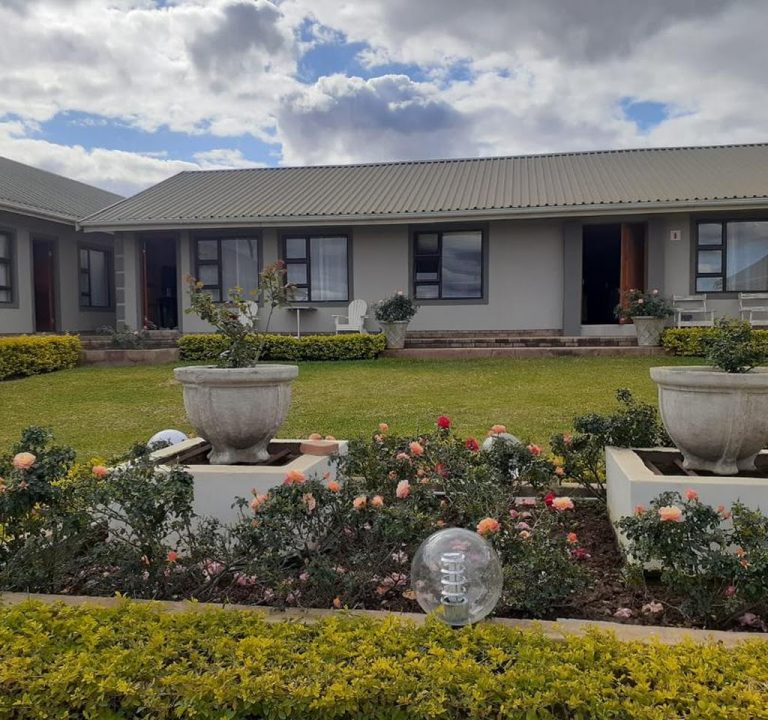
accommodation options range from intimate bed and breakfast stays to guesthouses and small hotels. A B&B such as Mpume’z B&B, if available, typically provides a personalised welcome, comfortable rooms, and a hearty breakfast to start your day. Other possibilities include guesthouses that emphasise home-from-home comfort and lodges on the outskirts that offer more space and rural tranquillity. When choosing where to stay, think about proximity to the town centre, safety, and whether you’ll want a property with a full-service restaurant or a self-catering option for flexibility.
What to look for when booking. Start with location: is the property close to the sights you plan to visit, or will you rely on local transport to reach them? Check reviews for consistency on cleanliness and service, and note whether hosts or staff can assist with organising activities or guiding guests to local attractions. Typical amenities worth prioritising include secure parking, reliable Wi-Fi, 段 air conditioning or fans (depending on the season), a comfortable bed, and en-suite bathrooms. If you plan to drive, confirm parking availability and whether the site offers guaranteed space. For travellers who want a cultural flavour, look for hosts who can share insights on Ulundi’s history and nearby sights.
Transport and getting around. Ulundi is best explored with a flexible transport option. If you’re not renting a car, investigate local taxi services or arranged transfers through your accommodation. Having a vehicle makes it easier to reach surrounding rural communities and nature reserves, where some attractions lie beyond walking distance from the town centre. When travelling by car, be prepared for rural roads and occasional gravel sections to a few lodges or reserves outside the town. Plan a rough timetable for day trips, leaving time for refreshment breaks and scenic stops along the way.
Best time to visit and practical tips. Ulundi enjoys a warm subtropical climate, with milder winters and hot summers. The winter months (as in many parts of South Africa) can be comfortable for exploring the outdoors, while summer brings longer days and the chance of afternoon showers. The shoulder seasons often offer pleasant temperatures and quieter surroundings, which can be ideal for reflective travel, cultural tours, and wildlife watching in nearby reserves. Pack layers, a lightweight rain jacket, sun protection, and comfortable walking shoes. If you’re planning a longer stay, a small notebook or app to track local transport options and opening times of cultural centres can be handy.
Attractions and experiences in general terms. Ulundi is historically significant and offers opportunities to learn about Zulu heritage and regional history. In and around Ulundi, visitors commonly explore museums or cultural centres that present regional artefacts and stories. For day trips, consider reserves or nature areas within easy driving distance where guided safaris or self-guided viewpoints may be available. While exact prices and opening hours vary, you can generally expect well-marked trails, interpretive plaques, and wildlife-viewing opportunities that don’t require long drives from the town. Dining options in the region tend to emphasise local flavours, with restaurants and informal eateries offering Zulu-inspired dishes, hearty favourites, and seasonal produce. When planning meals out, check for menus that reflect local ingredients and daily specials, and be prepared for relaxed dining experiences that prioritise flavour and hospitality over formality.
- Ask your host or staff for recommended routes and safe driving practices in rural KwaZulu-Natal.
- Check what is included in your accommodation rate (breakfast, parking, Wi-Fi, and guest lounge access).
- Verify cancellation policies and the property’s approach to early arrivals or late departures to suit your travel itinerary.
Practical planning tips. Have a clear travel plan that includes a couple of must-see interests and a few flexible days for spontaneous discoveries. If you’re travelling during peak travel periods, consider booking well in advance to secure preferred accommodation and transport slots. Keep digital copies of important documents and a map or offline navigation app for rural areas. When you dine out, do so with the understanding that menus may change with harvests and seasonal availability, and ask staff for regional recommendations to support local businesses.
Useful references and further planning. For general guidance on Ulundi and KwaZulu-Natal, reputable tourism sites and national park resources offer practical visitor information and updates on seasonal activities. Local accommodation listings frequently include direct links to the property website, where you can verify available facilities and booking terms. By combining a well-chosen place to stay with a flexible plan for exploring the town and nearby landscapes, you can craft a balanced, authentic Ulundi visit that maximises comfort, culture, and connection with the region.
For further reading and planning inspiration, see official tourism pages and regional guides at reputable sources such as national and provincial tourism portals. These resources can help you identify entry points for museums, cultural centres, and nature experiences near Ulundi, and provide trusted pointers on travel logistics and seasonal highlights.