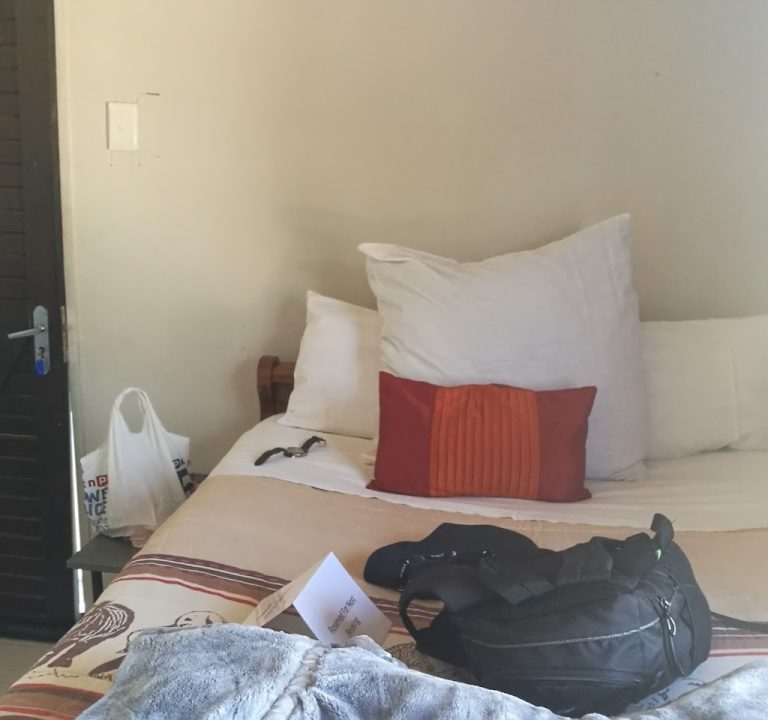
Ulundi, KwaZulu-Natal: Accommodation, Nearby Attractions, and Practical Planning for your Stay
Ulundi sits at the heart of KwaZulu-Natal’s rich heritage and rolling landscapes. When planning a stay, most visitors opt for a comfortable base within or near the town that offers good access to local sights while still feeling relaxed and unfussy. Bed-and-breakfasts, guesthouses, and small hotels are common choices in Ulundi and its surrounding countryside, often providing a warm, personalised welcome, a hearty breakfast, and a sense of local character that larger chains can seldom match. Look for properties that emphasise clear directions, easy parking, and straightforward access to major routes, so you can explore the region without fuss.
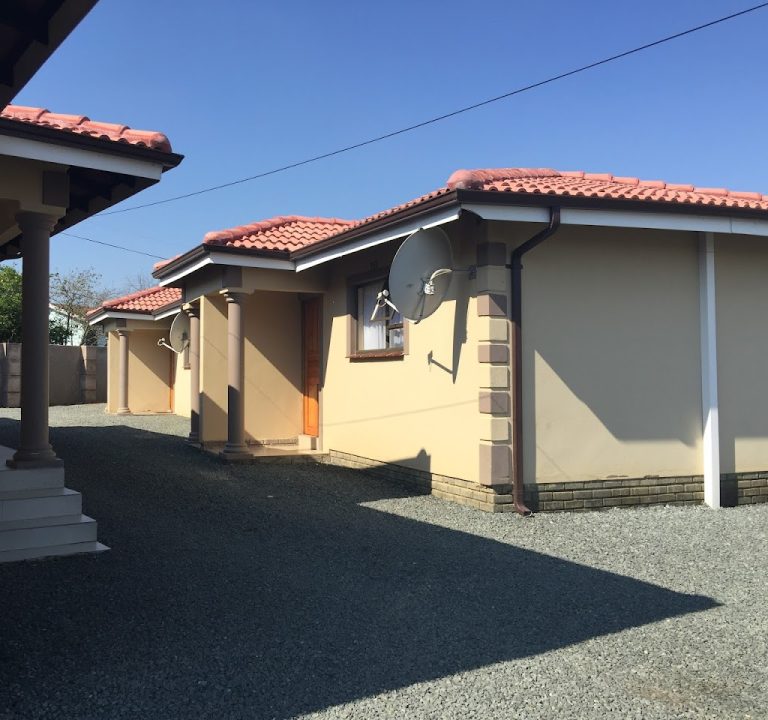
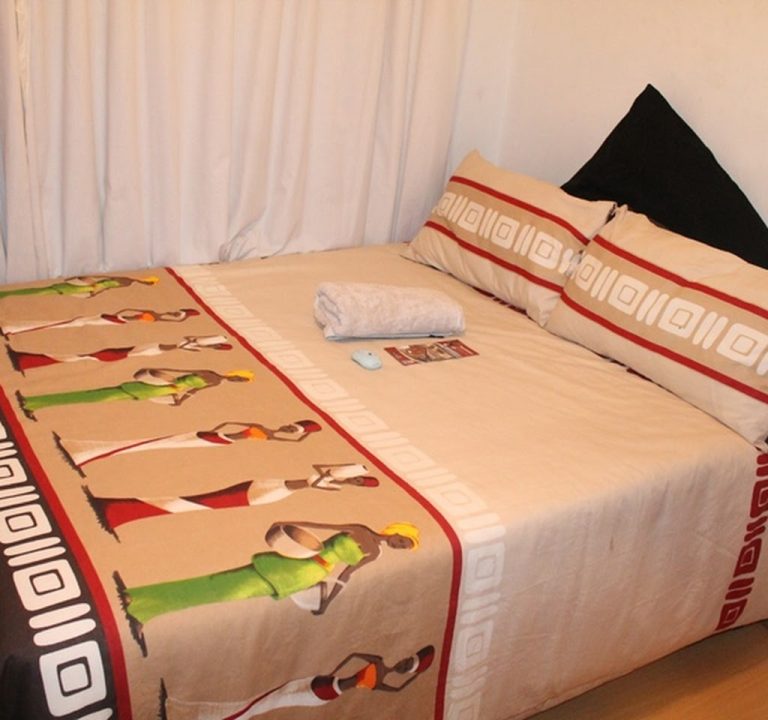
Areas to consider depend on what you want from your visit. The town centre is convenient for quick trips to markets, museums, and cultural displays, while rural lodges and B&Bs on the outskirts can offer more space, quieter surroundings, and frequent opportunities to stroll through farmland or woodland. If you’re visiting with family or a small group, a self-contained unit or a guesthouse with a private entrance can be particularly appealing. When booking, check the size of the room, the layout, and whether there is a dedicated dining area or a self-catering option, as this can influence daily routines and meal planning.
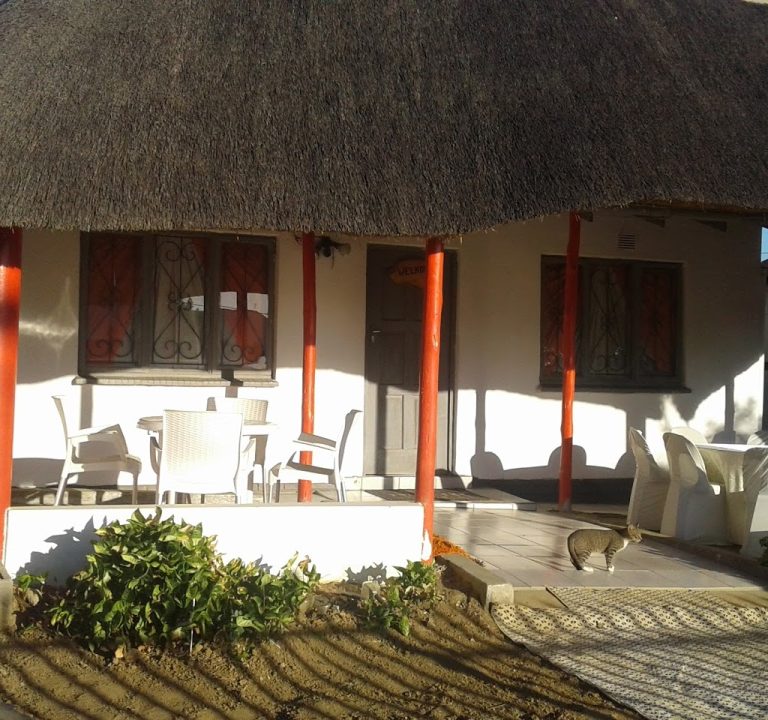
Typical amenities to look for include complimentary breakfast, secure parking, and reliable Wi‑Fi. Some properties may offer features such as a sunny veranda, an outdoor seating area, a pool, or shaded terraces for warm days. A few establishments provide guided experiences, such as cultural tours, local produce tastings, or recommendations for day trips in the wider region. If you rely on transport by car, confirm that parking is available on site or nearby, and check whether the property can arrange transfers from larger hubs if you are arriving by air or bus.
Transport in and around Ulundi is best approached with a car or arranged transfers. The town is a practical hub for day trips into the surrounding countryside and to nearby reserves or cultural sites. If you prefer not to drive, look for accommodations that assist with arranging taxis or local guides. When planning your journey, consider the time needed to move between attractions, especially in peak seasons when traffic can be busier than expected. A well-timed stay can give you the freedom to visit outdoor spaces in the cooler parts of the day and to enjoy quieter moments in the late afternoon or early evening.
The best time to visit Ulundi depends on what you want from the trip. The region experiences warm summers and mild winters, with significant rainfall in the summer months. If you enjoy outdoor activities and light crowds, late spring and autumn can be ideal for exploring the countryside, nature reserves, and cultural sites. For those interested in traditional crafts, markets, and local cuisine, weekend visits often offer a vibrant snapshot of daily life. Always check the weather forecast ahead of arrival and pack accordingly—cool evenings, sun protection for daytime, and comfortable walking shoes are practical staples for most visitors.
When planning an itinerary, balance cultural experiences with time to unwind. A typical stay might include a morning visit to a local cultural or historical site, followed by a relaxed lunch or a stroll through a nearby market. Afternoon can be reserved for a nature walk, a short drive to a viewpoint, or a guided farm or community visit. In the evenings, many accommodations offer comfortable dining spaces or shared meals, which can be a nice way to connect with hosts and fellow travellers. If you prefer self-guided exploration, request a map or a recommended sequence of sights from your host or the property’s front desk.
Places to consider for meals range from simple cafés to traditional-style eateries. In Ulundi and its environs, dining can reflect the region’s mix of flavours and produce, often featuring hearty, family-style dishes. For a balanced plan, you could enjoy a light breakfast at your accommodation, a substantial lunch in town, and a leisurely dinner at a guesthouse or a nearby restaurant that specialises in local ingredients. Always verify dietary requirements and discuss portion sizes with staff if you have specific preferences.
Sample practical tips to help you book and stay smoothly:
- Read recent guest reviews to gauge consistency and host responsiveness.
- Ask about essential amenities (air conditioning in hot months, hot water reliability, proximity to key sights).
- Confirm parking arrangements and the best routes to planned activities.
- Check whether the price includes breakfast or access to a kitchen for self-catering.
- Consider a flexible cancellation policy in case your plans shift.
To plan further, consult regional tourism resources for practical information on routes, park hours, and seasonal considerations. The local area offers a blend of heritage and natural beauty, with opportunities to learn about the area’s history, engage with crafts and markets, and enjoy landscapes that range from open savannah to cultivated farmland. For inspiration and practical travel planning, you can explore official tourism pages and reputable travel guides that cover KwaZulu-Natal and the Ulundi area, including suggested itineraries and sustainable visitor guidelines. More information can be found at regional tourism platforms and government or council sites that highlight safe travel practices and current visitor recommendations.
Whether you choose a cosy B&B in the town centre or a tranquil rural guesthouse on the outskirts, Ulundi provides a comfortable springboard for a relaxed South African escape. With thoughtful planning, straightforward transport options, and plenty of opportunities to discover local life and landscapes, your stay can be both enriching and easygoing. For more ideas on places to stay and planning tips, visit reliable travel resources and the official KwaZulu-Natal tourism pages.