Accommodation and Experiences in Ulundi, KwaZulu-Natal
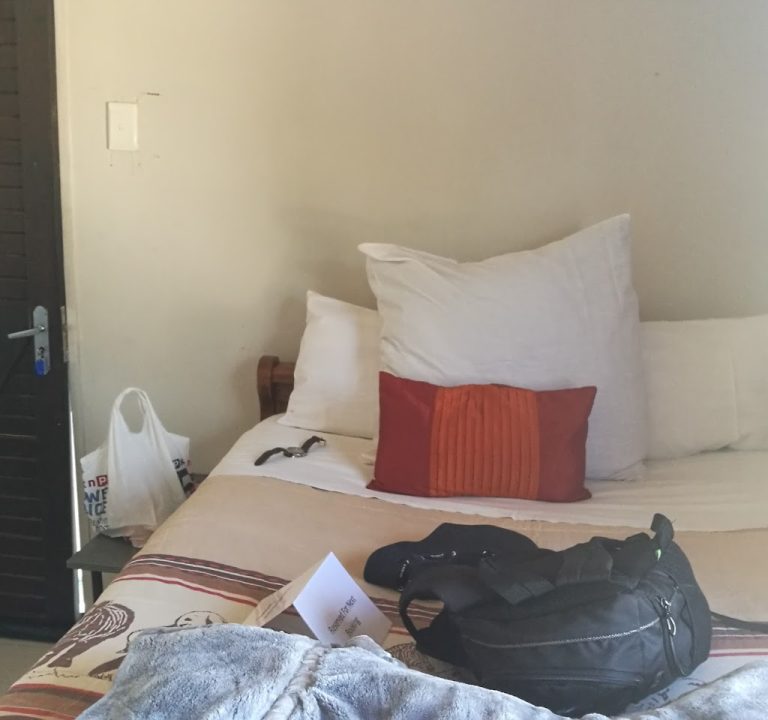
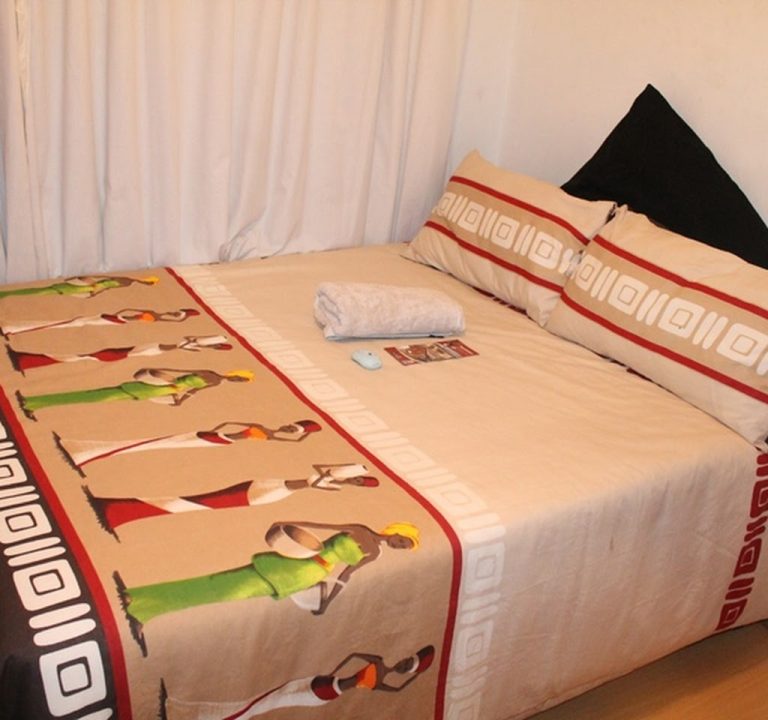
Ulundi, the historic heart of KwaZulu-Natal, offers a mix of rustic charm and comfortable modern accommodation that makes it easy to explore the Valley of a Thousand Hills and the surrounding KwaZulu-Natal landscapes. When planning a stay in Ulundi, consider the area’s accessibility, the type of experience you want (quiet rural retreat, easy access to shops, or a base for day trips), and the level of hospitality that suits you. Options range from intimate guesthouses to traditional hotels, with a growing number of self‑catering choices that provide greater flexibility for families and longer visits. A notable example in the area is Nkabanhle Guest House, which embodies the personal welcome and local flavour guests often seek in this region.
Where to stay in Ulundi depends on what you prioritise. The town centre puts you near shops, markets, and administrative hubs, making it convenient for travellers who want to combine sightseeing with easy access to services. Rural or lodge-style properties, often perched near open landscapes or small game reserves, can offer a more relaxed pace and the opportunity to observe rural KwaZulu-Natal life. When selecting accommodation, look for clear details about room types, on-site dining options, and whether the property offers guided experiences or information about local attractions. If you need a closer connection to local culture, consider guesthouses that provide breakfast and curated recommendations from hosts about day trips and markets.
What to look for when booking includes a balanced mix of comfort, location and practical provisions. Check room size and layout, ventilation and natural light, and whether the property provides features such as private bathrooms, reliable hot water, and secure parking. Practical additions to consider are laundry facilities or access to a common kitchen if you’re travelling with family or a longer stay. For longer visits, a property with self‑catering options, a small kitchen or kitchenette can be very convenient. If you are travelling with children or mobility needs, confirm accessible spaces, suitable bedding, and safe outdoor areas. Reading recent guest reviews can reveal how responsive the host is, the reliability of housekeeping, and the real-world experience of amenities described in the listing.
Typical amenities you might encounter include air conditioning or fans for warm KwaZulu-Natal days, free Wi‑Fi, and parking arrangements. Some properties offer quiet outdoor spaces, shaded seating, and braai (barbecue) facilities which can be a highlight for al fresco meals after a day of exploring. Guests commonly appreciate central or semi‑rural locations that make day trips feasible. If on a limited schedule, look for properties with flexible check-in times or clear information on arrival procedures, especially if you’re arriving in the late afternoon or evening. A reliable host who can provide practical tips about Ulundi’s markets, eateries and nearby nature spots can make a substantial difference to your stay.
Transport in and around Ulundi is straightforward but varies by property. If you’re not self‑driving, choose accommodation within reasonable reach of local taxi services or organisers of guided trips. For drivers, secure on-site parking or safe on-street options is essential. Some hotels and guesthouses may be within walking distance of town amenities, while others are set back on rural roads, requiring a car for convenience. When planning day trips, check whether the property can arrange guided excursions or recommend reputable operators for cultural tours, birdwatching, or nature drives. Parking safety and local traffic conditions should be considered, especially if you intend to explore beyond Ulundi town.
The best time to visit Ulundi generally aligns with the KwaZulu-Natal climate: warm summers and mild winters. The peak tourism months tend to be the drier winter period, but the region can be enjoyed year‑round. Consider your preferences for outdoor activities, such as game viewing, hiking, or cultural experiences, and plan accordingly around any seasonal events or market days. If you enjoy the outdoors, mornings and late afternoons are often the most pleasant for exploration, with mid‑day heat prompting a slower pace or an indoor moment to rest.
Practical planning tips to maximise your stay:
- Book with hosts who provide local insights, maps, and reliable advice about safe routes and interesting side trips.
- Check whether the property includes breakfast or offers a private kitchen to suit dietary needs.
- Ask about laundry facilities and guest access to common areas, especially for longer stays.
- Confirm parking arrangements and security features, particularly if you’ll be arriving after dark.
- Plan day trips to nearby markets, cultural centres, and rural landscapes to experience the region’s hospitality and flavour.
When selecting eateries, look for places that showcase local produce and KwaZulu-Natal flavours, with menus that reflect seasonal ingredients. Many visitors enjoy casual, family‑friendly venues that offer simple, well-prepared dishes, as well as restaurants that provide a relaxed ambiance after a day of sightseeing. While exact names and prices can vary, you can expect options that emphasise regional ingredients and warmly attentive service. For those who prefer to cook, a self‑catering option allows you to prepare meals with local ingredients sourced from markets or small shops in Ulundi’s centre.
Ulundi’s mix of accommodation, easy access to services, and proximity to the broader Zululand region makes it a solid choice for visitors seeking a relaxed stay with room to explore. By choosing the right property—one that matches your pace, offers practical conveniences, and connects you with local experiences—you can enjoy the warmth of KwaZulu-Natal hospitality and discover the area’s wider cultural and natural attractions at a comfortable rhythm.