Accommodation and Experiences in Ulundi, KwaZulu-Natal: Where to Stay and What to Do
Ulundi, the capital of the KwaZulu-Natal province’s Zululand region, offers a thoughtfully rural backdrop for travellers seeking a calm base with easy access to KwaZulu-Natal’s rich cultural heritage. A stay here can blend comfortable B&B hospitality with the chance to explore traditional Zulu culture, nearby game reserves, and evocative battlefield history. When planning a visit, think about how long you wish to stay, what pace you prefer, and how you would like to balance rest with light adventures, as Ulundi makes it easy to create a personalised itinerary.
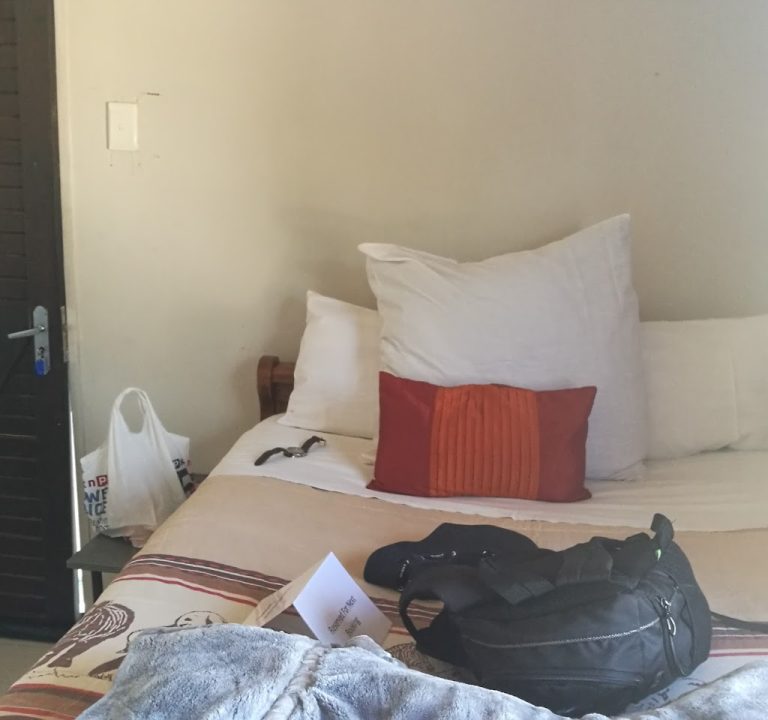
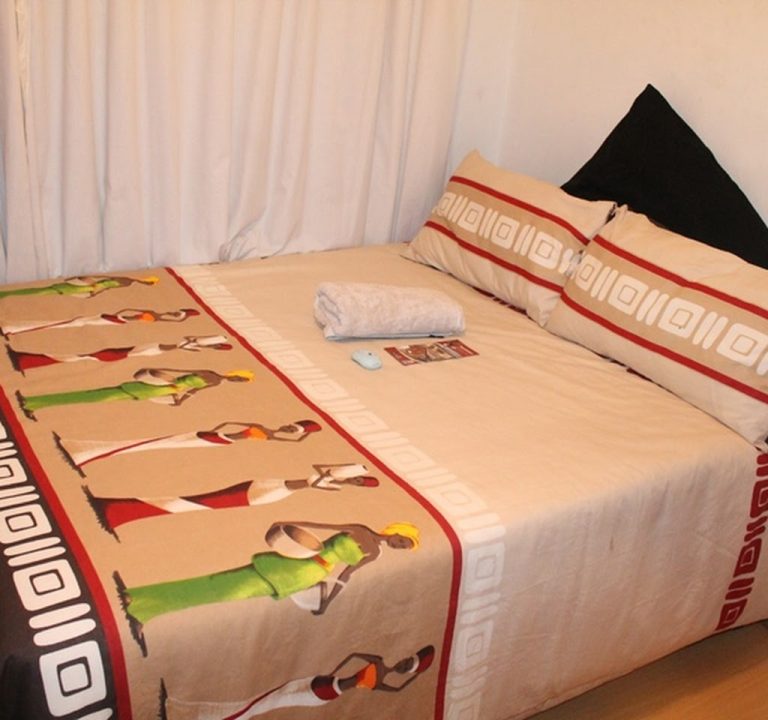
Accommodation in Ulundi tends to emphasise intimate, guest-focused experiences. Bed and breakfast propertiesfolk commonly provide a home-from-home atmosphere, often with generous breakfasts that showcase regional flavours. Entenhle Bed & Breakfast, for example, offers a compact, people-focused option that highlights the comfort of a well-run guesthouse in convenient proximity to central Ulundi. While individual properties vary, most stays in this area prioritise warm hospitality, clean rooms, and straightforward facilities designed to help visitors unwind after a day of exploration.
When choosing where to stay, consider the area within Ulundi that best suits your plans. The town centre is convenient for strolls to local shops, markets, and cultural sites. Alternatively, a quieter neighbourhood or a small guesthouse on the outskirts can provide easy access to rural scenery and short drives to surrounding attractions. Some visitors prefer closer proximity to cultural centres or museums, while others opt for properties with larger grounds, shaded verandas, and secure parking. Knowing your priorities in advance helps narrow choices and ensures a smoother arrival and departure experience.
Typical amenities to look for include comfortable en-suite rooms, reliable Wi-Fi, secure parking, and a generous breakfast offering. If you rely on connectivity for work or travel planning, check whether the property explicitly provides Wi-Fi throughout or in common areas. On-site dining options can be a real convenience, especially if you are aiming for a low-stress stay. Hosts who can recommend local eateries or arrange traditional experiences add great value to a visit. If accessibility matters, verify the availability of ground-floor rooms or steps-free access, and clarify any mobility-related needs with the host in advance.
Practical planning tips help you maximise your Ulundi visit. First, allow time to experience the town’s cultural and historical echoes. Local guides can illuminate the region’s past, including its relationship to Zulu heritage and regional dynamics. Visitors with a taste for nature may wish to venture toward nearby wildlife experiences or nature reserves that are within a comfortable drive, while still leaving time for a relaxed pace in Ulundi itself. Transport options vary; many guests rely on a car for flexibility, as public transport within the town can be limited. If you are not bringing a vehicle, check whether your host can assist with arrangements or recommend trusted local operators for short excursions.
Best time to visit Ulundi tends to be during the drier, clearer months when road travel is more straightforward and outdoor activities are comfortable. The warm months offer lively outdoor markets and cultural events, while the cooler, dry season can provide pleasant conditions for exploring the countryside and historic sites without the heat becoming a burden. Regardless of when you go, pack for changeable weather: mornings and evenings can be cooler, and a light layer is handy for evenings on verandas or when enjoying a leisurely stroll through town streets.
Attractions in and around Ulundi trend toward cultural heritage and rural scenery. Expect welcoming community spaces, small museums that recount local history, and opportunities to engage with Zulu traditions in respectful, interpretive contexts. Day trips can extend to nearby wildlife or landscape viewpoints, where guided drives or walks offer insight into the region’s ecosystems and conservation efforts. Dining in Ulundi typically features straightforward, hearty fare—perfect after a day of exploring. Look for options that highlight local ingredients and traditional methods, but do not be afraid to sample modern twists where available. In many cases, the best meals come from uncomplicated, well-run kitchens that focus on comfort and quality rather than flashy trends.
- Location considerations: proximity to central Ulundi, access to roads, and quietness of the surrounding streets.
- Room types and comfort: en-suite options, breakfast service, climate control, and reliable Wi‑Fi.
- Facilities: secure parking, outdoor spaces, and thoughtful touches such as a shaded veranda or garden seating.
- Planning aids: flexibility in cancellation policies, guidance on local activities, and help with arranging excursions.
- Practical tips: bridge the balance between rest, cultural immersion, and light day trips, with a plan for transport and connectivity.
When booking, it’s wise to read recent guest reviews to gauge consistency in service and to understand what next steps guests found most helpful—whether it was receiving local restaurant suggestions, help with navigation, or tips for scheduling cultural visits. A well-chosen Ulundi base can unlock a satisfying blend of restful accommodation and enlightening experiences, all within a compact town that offers authentic KwaZulu-Natal hospitality.