Ulundi: Where to stay, eat and explore in KwaZulu-Natal
Ulundi in KwaZulu-Natal offers a mix of practical lodgings and authentic experiences for travellers seeking a gateway into the region’s history and landscape. When planning a stay, centre your choice of base around accessibility, comfort and the kind of local connections you want to make. The town itself has a compact layout, with surrounding countryside that lends itself to short day trips and gentle coastal or inland excursions depending on your pace and interests.
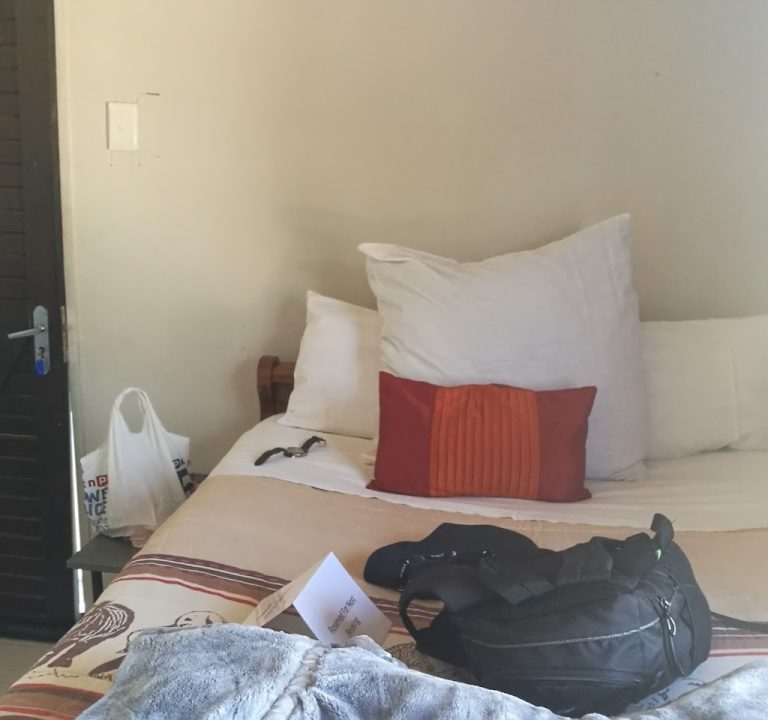
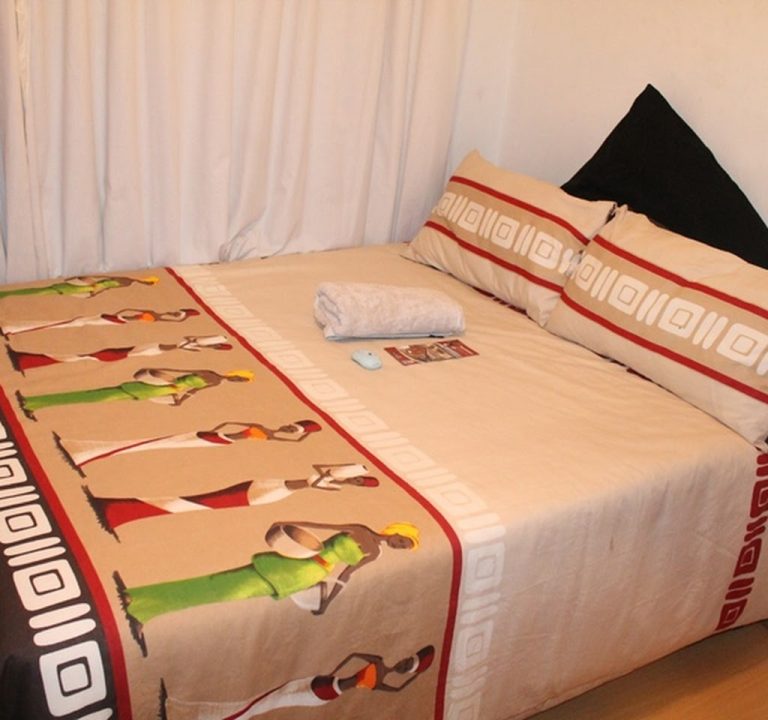
Accommodation in and around Ulundi tends to range from comfortable guesthouses to modest lodges and guest‑favourite BnBs. Look for properties that emphasise guest safety, reliable housekeeping, and friendly, knowledgeable hosts who can point you to lesser‑known viewpoints and cultural stops. For families or groups, consider multi‑room options or lodges with separate spaces, while solo travellers often prefer guesthouses with communal lounges or shared kitchens where tips and local stories flow freely. In every case, confirm what is included in the rate—breakfast, on‑site parking, and access to common areas can make a big difference to your stay.
When choosing where to stay, consider the area’s geometry. Ulundi town centre provides convenient access to shops, markets and banks, making short walks or quick taxi rides straightforward. For a more tranquil retreat, look for properties on the outskirts where you can enjoy quiet mornings and rural views. If you’re looking to combine culture with nature, the surrounding countryside can offer easier access to wildlife‑style experiences and heritage sites while keeping daily travel time manageable.
Typical amenities you might expect include en‑suite bathrooms, on‑site parking, secure access, and wifi in public areas or guest rooms. Many boutique properties offer traditional KwaZulu‑Natal décor, with warm colours, wooden furnishings and spaces to gather with fellow travellers. Breakfast is commonly available, sometimes featuring regional produce, and some lodgings may offer dinner or sunset‑view dining experiences. If you have dietary preferences, it’s worth asking in advance whether a kitchen, a shared fridge, or a plated dinner can be arranged. For comfort in variable weather, inquire about fans or heaters and how reliable the hot water supply is across the property.
Transport logistics are an important part of planning. If you intend to explore beyond Ulundi, check whether your lodging offers shuttle services or can arrange trusted transfers. The area often relies on road travel, so ensuring your vehicle has adequate clearance for rural roads or noting nearest fuel stops is sensible. Public transport options are available in some parts, but they may not be as frequent as in larger cities, so coordinating with your host or a local driver can save time. For those who prefer sustainability, ask about walking routes or cycling paths to nearby attractions where feasible.
The best time to visit Ulundi depends on what you value. The region experiences a temperate climate with dry and wet seasons. The dry months can be easier for outdoor activities and sightseeing, while the wet season may offer lush scenery and afternoons that invite a cooler breeze but could bring showers. Shoulder seasons often balance comfortable temperatures with manageable crowds. If your itinerary includes outdoor cultural events or markets, checking the local calendar ahead of your trip can help you align your stay with authentic community happenings.
Attractions and experiences in and around Ulundi typically combine heritage and nature in accessible ways. Expect visitor experiences that emphasise KwaZulu‑Natal history, traditional crafts, and rural vistas. You may find guided village walks, demonstrations of local crafts, and storytelling that contextualises the region’s past. For those who enjoy outdoor time, short nature trails or viewpoints with panoramic rural landscapes are common, with the option to combine a day trip with nearby cultural sites. While specific exhibits and timings vary, the emphasis across the area is on respectful engagement with local cultures and landscapes, with safety and comfort as priorities for visitors.
Dining options range from casual cafés to family‑run eateries offering hearty, home‑style meals. When exploring Ulundi’s cuisine, you’ll encounter dishes that showcase KwaZulu‑Natal flavours and produce. A relaxed lunch or dinner at a locally run establishment can provide a snapshot of everyday life in the area, and many places are warm to visitors, offering guidance on local customs or the best regional dishes to try. If you prefer a more self‑cufficient plan, many accommodation providers can point you to nearby markets and bakeries where you can assemble a light picnic or a simple supper to enjoy at your lodging or during a sunset stop at a scenic spot.
- Check recent guest reviews for practical details such as parking, cleanliness and responsiveness of hosts.
- Ask about accessibility and suitability for your travel party, especially if mobility or dietary needs are a consideration.
- Plan a balanced itinerary with a mix of cultural experiences, short walks and downtime at your accommodation.
- Confirm transport arrangements in advance if you plan to visit rural sights or extend your trip beyond Ulundi town.
- Pack essentials for rural travel: a hat, sunscreen, water, and a light layer for changing temperatures.
With careful planning, a stay in Ulundi can offer a comfortable base from which to explore KwaZulu‑Natal’s heritage and landscapes. By choosing accommodations that match your pace and priorities, and by pairing a few well‑timed day trips with restful evenings, you can enjoy an informative and enjoyable visit to this part of South Africa. For more information on ideas and bookings, consider visiting official tourism resources and, where appropriate, the websites of reputable local lodgings that suit your style and budget.