Ulundi: Accommodation, attractions and practical tips for a comfortable stay in KwaZulu-Natal
Ulundi sits at the heart of KwaZulu-Natal’s rich Zulu heritage, offering visitors a gateway to historic landscapes, cultural sites and quiet rural scenery. The town’s accommodation ranges from guest houses and small lodges to countryside BnBs that capture the warm hospitality for which KwaZulu-Natal is renowned. When planning a stay, it helps to think about what you want from your visit—easy access to sights, comfortable rest after day trips, and a sense of place that reflects the region’s character.
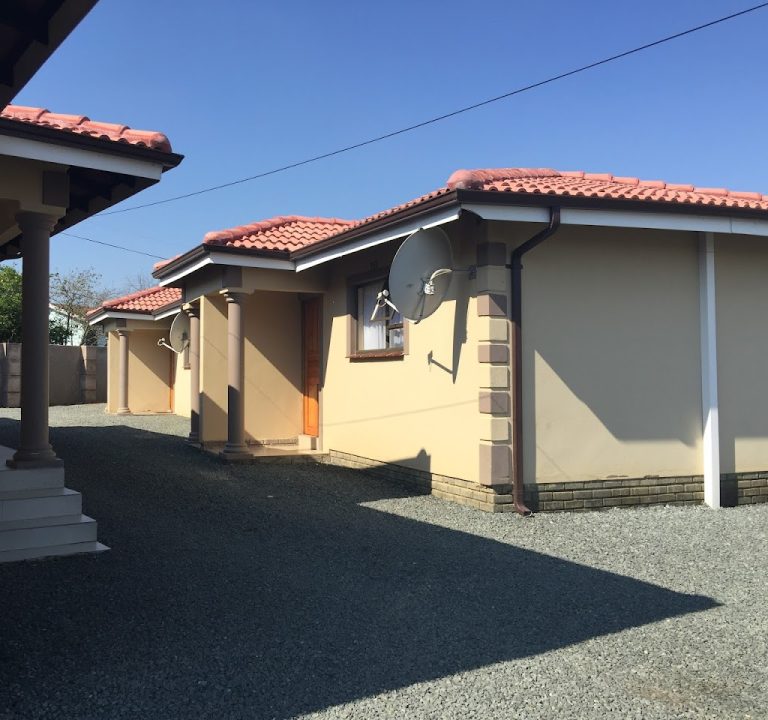
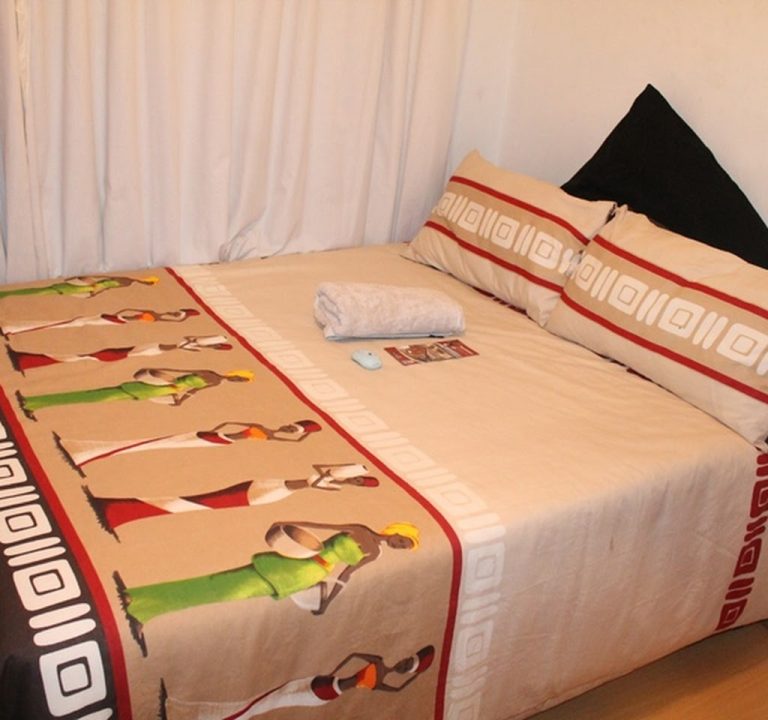
For travellers seeking a homely base, guest houses in Ulundi provide a convenient arrangement with inclusive meals or hearty breakfasts, attentive hosts, and a neighbourly atmosphere. One example in the area, though always check current details, is a guest house-style property that emphasises a personal touch, comfortable guest rooms, and a convenient location for exploring surrounding towns and rural routes. Such establishments often feature private parking, en-suite bathrooms, and common living spaces where guests can relax after a day of exploring the region.
When choosing where to stay, consider which part of Ulundi or its surroundings will minimise travel time for your planned activities. The town centre offers access to shops, markets and basic services, while outlying guest houses may provide quieter streets, open countryside views and a slower pace. If you intend to include longer day trips into the broader area, look for places with easy access to regional roads and, if needed, guidance on car hire or transfer options. Some guest houses and lodges may offer assistance with arranging guided tours or community visits, which can add a meaningful layer to your trip.
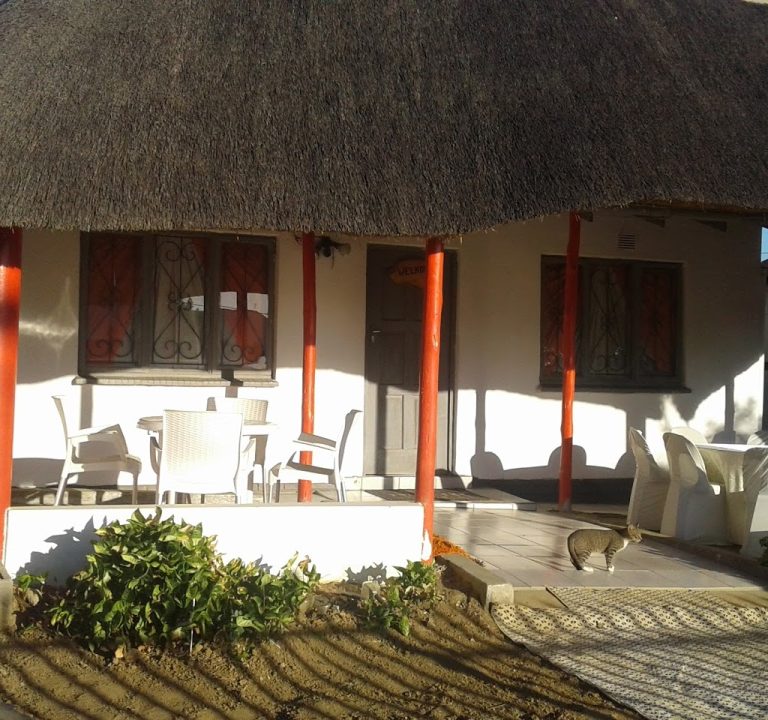
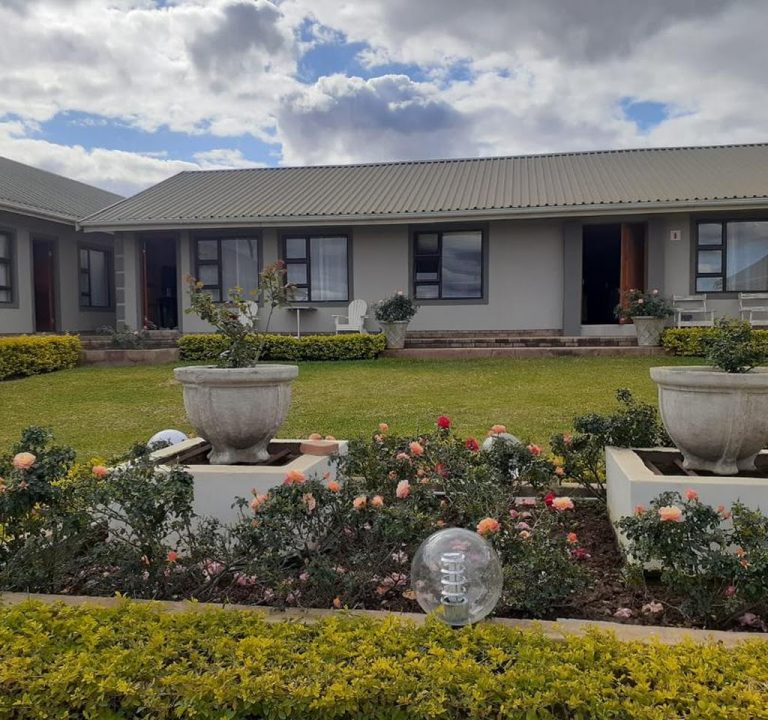
Typical amenities in Ulundi accommodation include comfortable, well-maintained bedrooms with clean ensuite or shared bathrooms, hot water, secure parking, and Wi-Fi access. Many properties will serve breakfast or offer light meals, and some may provide evening meals on request. If you have dietary needs or special requests, it’s worth contacting the host in advance to check what can be accommodated. Outdoor seating areas, shaded verandas, and lawn spaces are common at the more rural-style stays, providing opportunities to relax and enjoy the surroundings.
Transport in and around Ulundi is best planned in advance. The town is served by regional roads that connect to other parts of KwaZulu-Natal, and car hire is a practical option for independent exploration. While public transport exists, it can be irregular between smaller settlements, so a private vehicle or organised transfers are often the most reliable way to reach key attractions and rural viewpoints. If you prefer not to drive, look for a guest house that can arrange guided tours, cultural experiences or visits to nearby villages and parks.
The best time to visit Ulundi and the wider KwaZulu-Natal region reflects the climate and your priorities. The area experiences warm summers and mild winters, with a chance of rain in the warmer months. Winter can be a comfortable time for daytime exploration, especially for wildlife watching and outdoor activities when temperatures are cooler. Spring and autumn offer pleasant weather for walking and photography, while summer brings longer days and greenery after the rains. If your trip includes cultural events or traditional performances, check the local calendars ahead of time to align your stay with those occasions.
In terms of planning, a few practical tips can help you make the most of your stay:
- Book accommodation with easy vehicle access and sufficient parking, especially if you plan day trips to rural or scenic spots.
- Ask about breakfast options, late check-in policies, and whether the property can prepare packed lunches or dinners if you expect long days of sightseeing.
- Confirm Wi‑Fi quality and power availability in the room if you rely on online planning or remote work during your stay.
- Consider booking a property that offers local recommendations or hosts who can share tips about nearby markets, crafts and historic sites.
- Look for quieter rooms away from main roads if you are sensitive to street noise, particularly in the peak travel season.
Beyond lodging, Ulundi and its surroundings offer broad glimpses into KwaZulu-Natal life. Historical sites and museums provide context to the area’s past, while rural landscapes and local markets invite relaxed days of wandering and interaction with residents. Eating options range from simple, family-style eateries to more formal restaurants that emphasise regional flavours and seasonal ingredients. While exact establishments and menus may vary, visitors typically find satisfying meals that reflect local produce and traditional cooking styles. For a balanced itinerary, mix a few cultural visits with time spent in the countryside, perhaps taking a short drive to nearby villages to observe crafts, music and daily life in community settings.
If you’re considering staying in Ulundi, a good option to explore is a guest house that combines comfortable accommodation with access to thoughtful local suggestions. For example, Mbopha Guest House, a guest house option in the region, offers a hospitable base with the flexibility to tailor your stay to your itinerary. Their website provides more details on facilities, booking arrangements and what guests can expect during a visit to this part of KwaZulu-Natal: http://www.mbophaguesthouse.co.za/
By planning with care, you can balance relaxation with discovery. Ulundi’s appeal lies not only in its proximity to cultural and historical experiences but also in the calm, approachable atmosphere that makes it easy to unwind after a day of exploring. With the right choice of accommodation and a flexible plan, a stay in Ulundi can be a memorable part of a broader KwaZulu-Natal itinerary.