Durban: Accommodation planning and highlights for a traveller-friendly stay
Durban in KwaZulu-Natal offers a warm, welcoming setting for a coastal getaway, with a wide range of accommodation to suit different tastes and budgets. From intimate guesthouses to comfortable hotels and stylish lodges, the city’s hospitality sector is geared towards making stays easy and enjoyable for visitors. A centrally located option such as a guesthouse in Durban's popular neighbourhoods can provide easy access to beaches, skyline views, and a mix of cultural and culinary experiences.
When planning a stay, start by considering the areas that best suit your interests. The beachfront stretch along the Golden Mile is ideal for days spent by the sea and evenings strolls along the promenade. For those who value a calmer vibe with easy access to both city amenities and hill country scenery, Durban North or the leafy suburbs of Morningside and Glenwood offer convenient bases with a short drive to central attractions. Umhlanga, a short drive north of the city centre, provides a more recent hospitality scene with modern hotels and entertainment options while still being closely connected to the coast. Think about transport links, proximity to beaches, dining districts, and whether you prefer a quieter residential setting or a lively urban atmosphere.
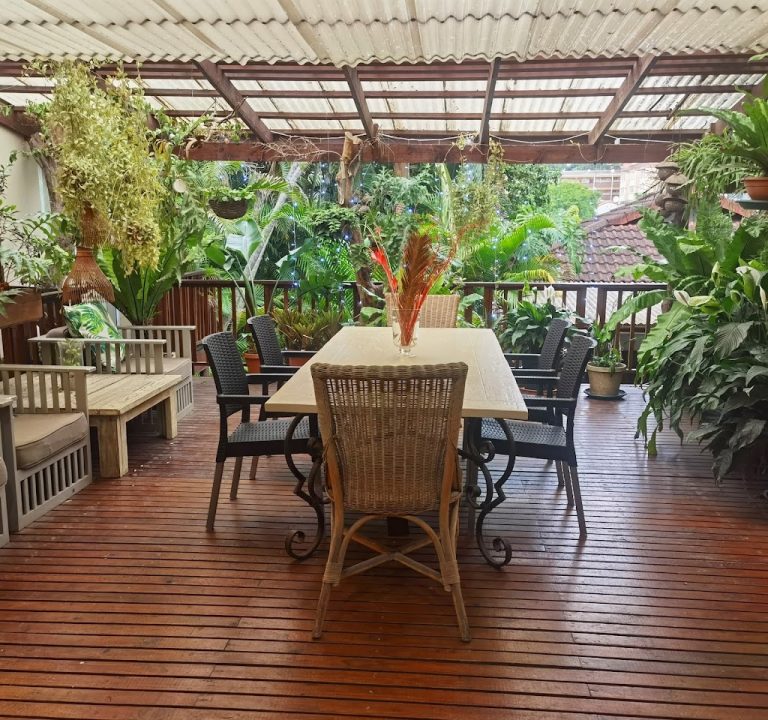
Typical amenities you can expect from well-rated Durban accommodation include free Wi-Fi, air conditioning or ceiling fans, private bathrooms, and daily housekeeping. Many guesthouses and hotels offer breakfast included or available on request, which can simplify mornings before long days of exploring. Other desirable features include on-site parking (essential if you are hiring a car), a swimming pool, and balconies or verandas with harbour or ocean glimpses. If you plan to spend long days out, you may also value late check-in options, shuttle services to the airport or local attractions, and friendly staff who can offer practical tips on navigating the city.
Transport around Durban is straightforward, with a mix of self-drive routes, Uber and taxi services, and public transport networks. A car can be handy for day trips to the Valley of 1000 Hills, the nearby countryside, or coastal towns, but plenty of attractions are reachable by ride-hailing or a well-timed bus or train connection. If you prefer not to drive, choose accommodation close to a major transport hub, or near the sea-front where walking paths and bike routes make short journeys pleasant and simple.
Consider the best time to visit Durban. The city enjoys a subtropical climate with warm, humid summers and mild winters. Summer (roughly October to March) brings warm sea waters and frequent sunshine, but it can be rainy and occasionally stormy. Winter (June to August) is cooler but still comfortable for outdoor activities, with many days of sunshine. The city often hosts cultural events and markets year-round, so checking the local calendar can help you align your stay with activities that interest you, from markets and street food fairs to outdoor performances. If you are keen on beaches and swimming, plan for late spring or early autumn when the conditions are most agreeable for water-based activities and outdoor exploration.
When you book, think about practical tips that can smooth your stay. Read reviews with a focus on cleanliness, responsiveness of the host or front desk, and the accuracy of listing details. Confirm what breakfast options are offered and whether they are served at the property or can be arranged nearby. Check the availability of secure parking if you will have a rental vehicle, and ask about access to public transport or taxi services at night. If you are visiting with family or groups, ask about multi-bedroom configurations, quiet hours, and space for socialising within common areas. For longer stays, inquire about laundry facilities or services and whether kitchens or kitchenettes are available in your room or apartment.
Durban’s attractions span natural beauty, coastal activity, and cultural experiences. You can enjoy extended walks along the coast, spend time at modern entertainment zones, and explore markets and eateries that showcase the city’s diverse culinary scene. For a relaxed day, consider a stroll along the beachfront and a casual meal at a venue with sea views. For a more thematic outing, explore regions that blend natural scenery with scenic viewpoints and local crafts. The dining scene ranges from casual curry houses and family-run eateries to contemporary restaurants offering diverse menus; most places value a friendly, welcoming atmosphere and a focus on fresh, seasonal ingredients.
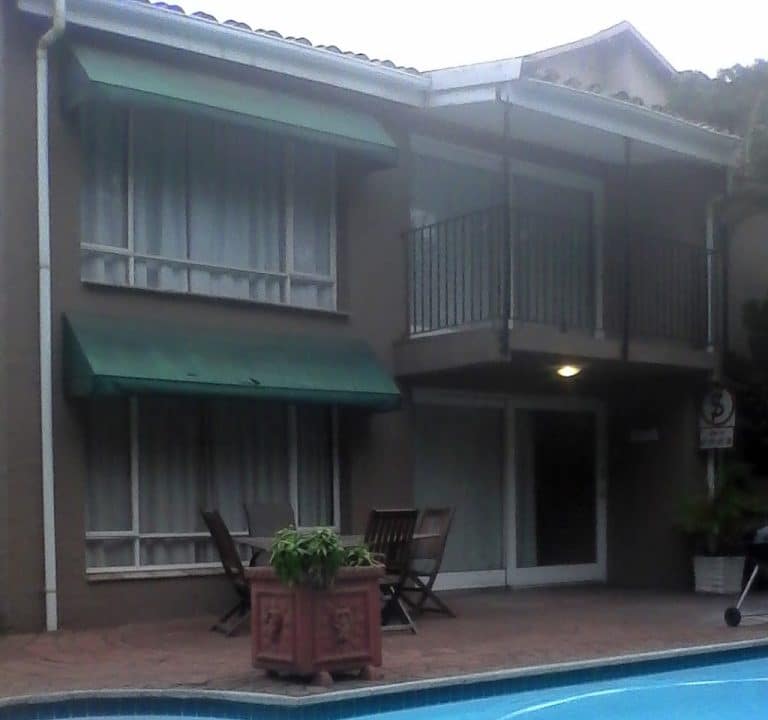
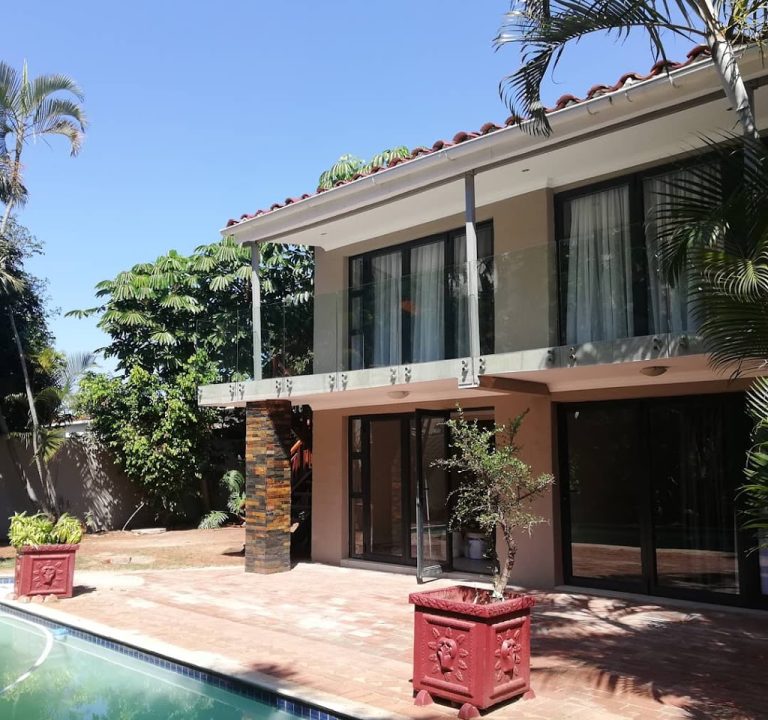
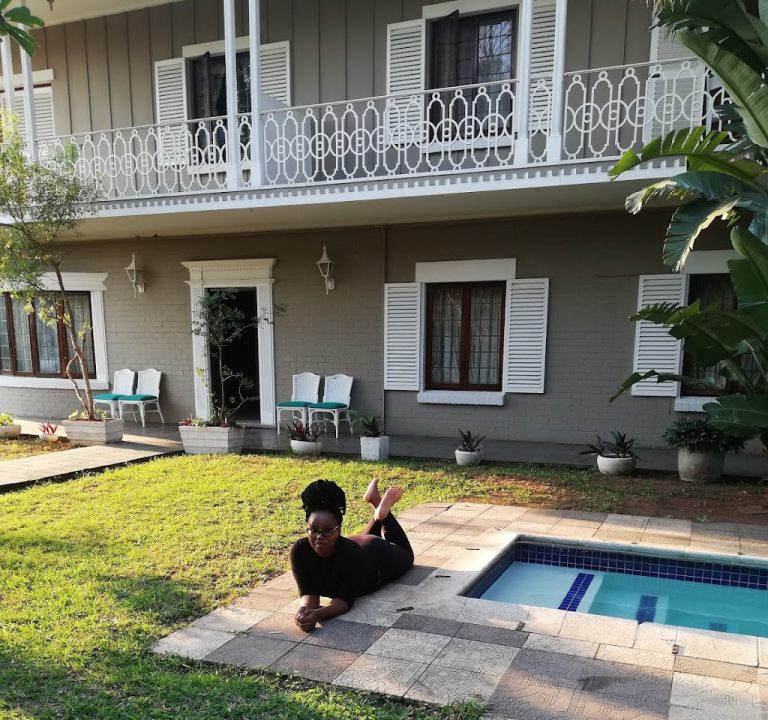
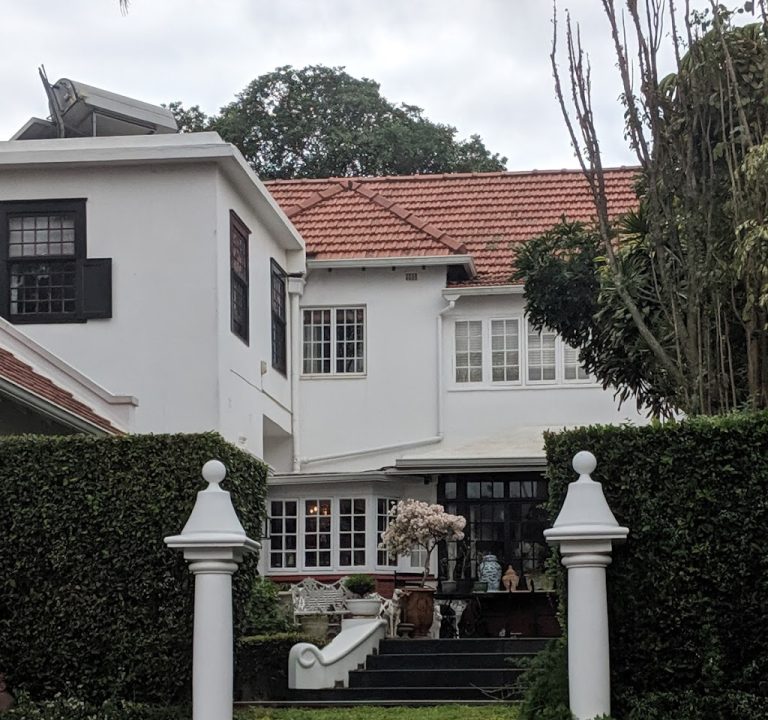
One example of accommodation in Durban is Ushaka Palms Guesthouse, a property that represents the warm hospitality typical of the city’s guesthouse scene. It can serve as a practical reference point for what travellers often look for: a comfortable room, attentive service, and a convenient location relative to nearby beaches and promenades. When choosing a stay, consider what balance of price, location, and in-house conveniences best suits your travel plans, and use a mix of booking platforms and direct property pages to compare options.
- Clarify what’s included in the price (breakfast, parking, Wi-Fi).
- Choose a base that minimises daily travel time to your planned activities.
- Assess accessibility features if needed and the ease of getting around on foot or by public transport.
- Factor in weather considerations and the best time of year for your preferred activities.
- Read reviews for real-world impressions of cleanliness, service, and value.
Durban offers a welcoming environment for a relaxed beach-and-city break, with a range of accommodation styles and neighbourhoods to suit most plans. By considering area, amenities, transport, and seasonal factors, you can tailor a stay that maximises comfort and enjoyment while keeping the experience authentically Durban.