Durban, KwaZulu-Natal: A guide to accommodation, neighbourhoods and what to do
Durban sits on the east coast of South Africa, where warm Indian Ocean waters meet lush subtropical hills. It is a city of contrasts, from sun-kissed beaches to vibrant markets and a thriving culinary scene. For travellers seeking a comfortable base, Durban offers a spectrum of places to stay, including guest houses, boutique hotels, mid-range lodges and family-friendly apartments. A practical approach to planning often begins with choosing an area that aligns with your plans, followed by a clear sense of the essential amenities and transport options you value most.
Areas to consider
- North Beach and the Golden Mile: ideal for beach lovers who want convenient access to the sea and a lively promenade. Staying here usually puts you near cafés, casual eateries and easy coastal strolls.
- Umhlanga and Umhlanga Rocks: a more upscale coastal area with wide beaches, modern accommodation and a relaxed pace. It’s popular with families and travellers seeking a quieter base within reach of the city’s attractions.
- Durban Central and the Golden Triangle: a practical choice for guests who want quick access to city sights, markets and cultural experiences, often with good value in guest houses and budget-friendly options.
- Grey Street and surrounding cultural precincts: a good fit for visitors who enjoy galleries, theatres and a walkable city centre vibe, with several charming guest houses and boutique stays nearby.
- Florida Road and nearby suburbs: a welcoming area for foodies and those who value a bustling dining scene, while still being reasonably close to the coast.
What to look for when booking
- Location relative to your planned activities: if you plan long beach days, a stay near the coast saves travel time. If you’ll be exploring markets and museums, a central location may offer the best convenience.
- Type and character of accommodation: guest houses and small boutique properties provide personalised service and breakfasts, while larger hotels offer more facilities and on-site services.
- Amenities and inclusions: thoughtful extras such as locked parking, reliable Wi-Fi, air conditioning, secure access, and on-site dining can make a stay smoother in Durban’s warm months.
- Access to transport: consider properties that offer easy access to taxis, ride-hailing apps, or public transport options for day trips along the coast or into the hills.
- Safety and reviews: read recent guest feedback for impressions on security, cleanliness and the responsiveness of hosts or managers.
Putting Mythai Guesthouse on your shortlist
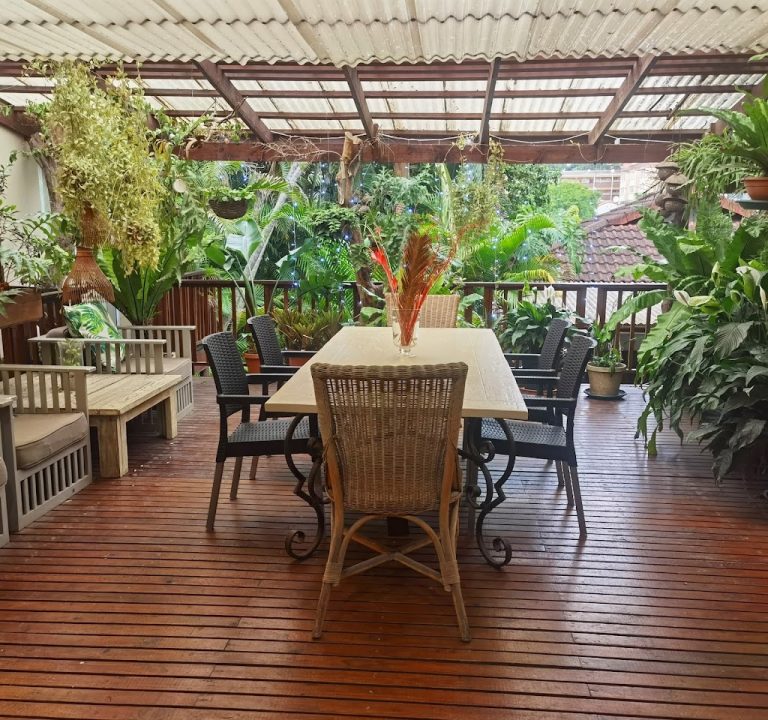
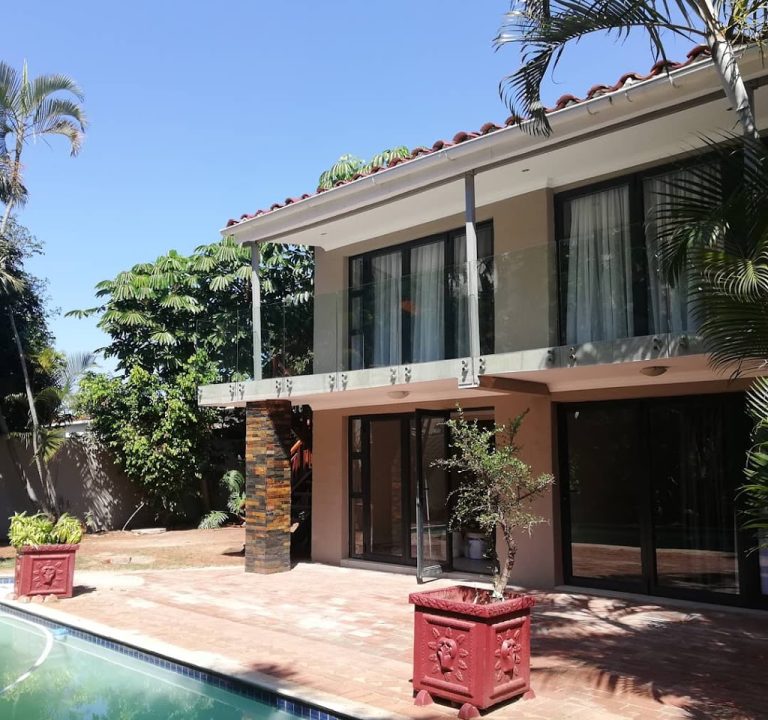
Mythai Guesthouse is an example of Durban’s guest-house offering, typically providing a comfortable, intimate base with a personal touch. Properties of this category usually prioritise a friendly welcome, a relaxed common area and breakfast options that showcase regional flavours. When researching a guest house like Mythai, look for details on room configurations, whether there is a private en-suite bathroom, and what shared spaces are available for travellers who enjoy a sociable atmosphere. If a property lists a guest kitchen or self-catering facilities, plan how that might fit with your daily schedule and dining preferences.
What to expect in terms of transport and getting around
Durban’s coastal belt is well served by a mix of private hire, taxis and bus options. Many guest houses and small hotels offer shuttle services or can arrange reliable local transport. For day trips up the coast, a hire car provides the greatest flexibility, especially if you want to explore the scenic hinterland or rural towns of KwaZulu-Natal. If you prefer not to drive, plan carefully around peak traffic times and consider guided tours or organised day trips that include transport.
Best time to visit and practical planning tips
Durban has a warm, subtropical climate. The summer months (roughly October to March) can be humid and rainy, though they bring lush landscapes and excellent beach conditions. Winter (April to September) is mild and pleasant, often with lower humidity, making it a comfortable time for longer city strolls and outdoor markets. When planning a stay, pack lightweight layers, sun protection, and a light rain jacket for the occasional shower. Booking in advance is wise for peak holiday periods and major events, particularly in coastal areas where demand can rise quickly.
What to do and where to eat, in general terms
Durban offers a broad spectrum of experiences without needing to travel far. Beach clubs and long beach walks are common highlights for those seeking relaxation by the sea. Cultural and historic sites provide insight into the region’s diverse heritage, while markets and street food stalls offer a taste of local flavours. Durban’s dining scene ranges from casual beachfront cafés to more refined affairs, with emphasis on seafood and regional produce, and a growing number of contemporary eateries that celebrate multicultural influences. When selecting a restaurant, consider whether you want a seaside setting, a casual meal, or a venue with an emphasis on traditional South African cuisine.
In planning your stay, a balanced mix of comfortable accommodation, easy transport, and time allocated for both iconic sights and slower moments will help you enjoy Durban’s warmth and hospitality. Whether you choose a charming guest house such as Mythai or a modern hotel, you’ll find that the city’s welcoming pace and coastal charm make for an engaging and memorable visit.