Durban: Where Beachfront Comfort Meets KwaZulu-Natal Warmth
Durban, in KwaZulu-Natal, offers a welcoming mix of sun-drenched beaches, vibrant neighbourhoods and a rich blend of cultures. When planning a stay, several factors help you choose accommodation that suits your pace and interests—from beachfront pads with sea views to characterful guesthouses tucked away in leafy streets. Durban is a city built for easy exploration, with options that range from self-catering apartments to boutique lodges and larger hotels, many of which place guests within convenient reach of the city’s attractions and eateries.
Areas to consider include the Golden Mile and North Beach, where many hotels and guesthouses provide direct access to the promenade and the sparkling Indian Ocean. The Berea and Morningside offer quieter residential streets, often with easy taxi or rideshare access to the city centre, while Umhlanga Rocks is a beachside village famous for its upscale dining and sea views, a good base for those seeking a more relaxed, resort-like stay. For a taste of Durban’s culture and everyday life, consider accommodation in central Durban or along the vibey avenues of Berea, where you’ll find a mix of contemporary lodges and traditional-style guesthouses.
When you book, look for a few practical amenities that can make a Durban stay smoother. A reliable air-conditioning unit is essential in the humid summer months, while heating remains useful in cooler evenings. On the practical side, self-catering options, on-site parking, and a decent luggage store can ease transitions between check-in and day trips. Free in-room Wi‑Fi is widely available, and many properties offer organised experiences or restaurant recommendations to help you plan your days. If you’re travelling with children or large groups, confirm room configurations and accessibility features before booking. For those who prioritise breakfast or in-house dining, check whether a full restaurant service or a continental options spread is available and note any early breakfast hours for pre-excursion schedules.
Transport within Durban is straightforward but varies by neighbourhood. Most central and beachfront lodgings are well-serviced by taxis and rideshare apps, making it easy to reach the city’s key attractions and dining hubs without a car. If you are planning day trips beyond the city, consider staying near major routes or near a taxi stand or bus stop. Some guests prefer the flexibility of a car rental for trips to the nearby hills and inland scenery, such as the Valley of a Thousand Hills or inland reserves, while others enjoy the ease of guided tours that can be arranged through their accommodation or local operators.
Best time to visit Durban tends to be from spring through autumn (September to May), when warm, subtropical conditions prevail. The city experiences a tropical summer with occasional tropical rains, so packing a lightweight rainjacket or compact umbrella is sensible. Winter, from June to August, is mild and pleasant for outdoor exploration, with fewer crowds along popular beaches. If you’re chasing marine life experiences or water-based activities, plan your trip in the warmer months, but be mindful of the occasional tropical shower that can arise during the peak season.
Durban’s attractions are diverse and many can be enjoyed without excessive travel. The coastline provides long, sandy beaches and a lively promenade ideal for morning walks or late-afternoon strolls. The city’s historic architecture and cultural districts offer a sense of its colonial heritage and contemporary energy. Families often enjoy interactive experiences along the beachfront and in indoor venues that showcase marine life, while food lovers can explore a broad spectrum of cuisines—from traditional South African fare to Indian-influenced and coastal seafood options. For a flavour of local life, a visit to bustling markets and cosmopolitan shopping precincts is a good way to observe Durban’s warmth and hospitality.
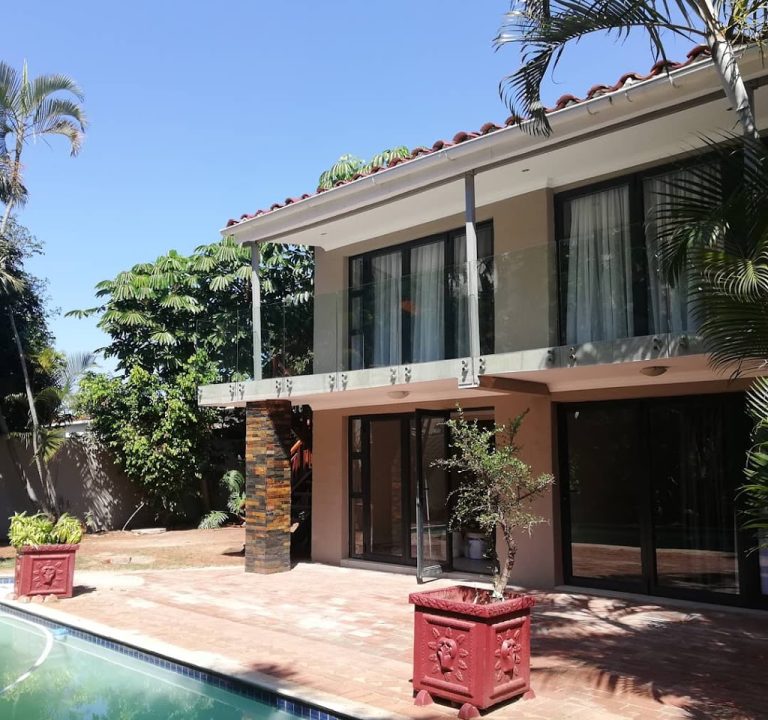
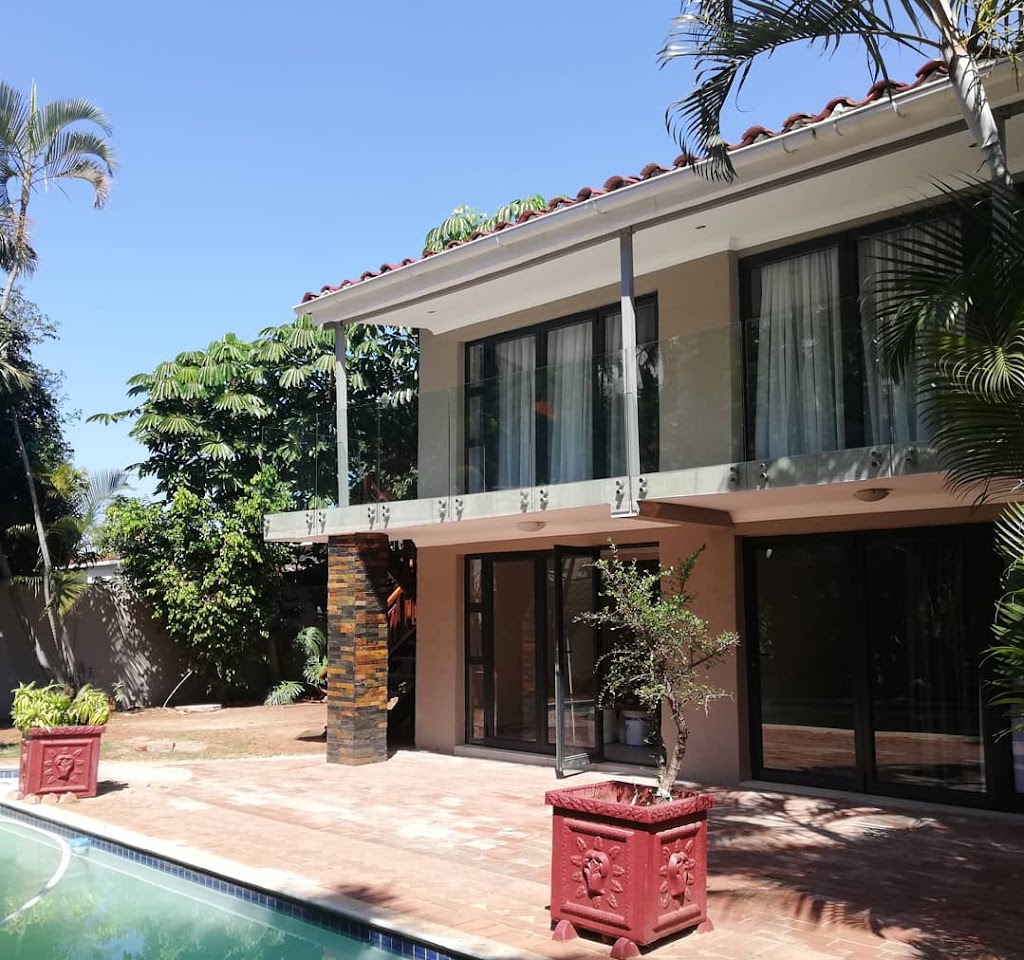
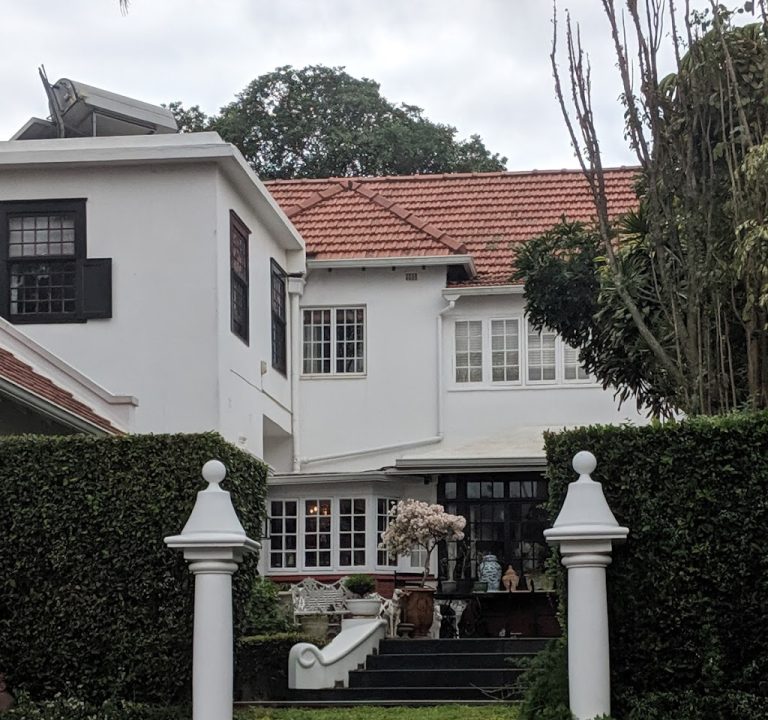
When selecting a property, consider what makes a stay feel effortless: proximity to the beach or a scenic view, the vibe of the neighbourhood, and the ease of accessing dining options and cafés. Guesthouses with a personal touch can be a excellent way to learn about the city from hosts who know the best nearby eateries and day trips. Boutique hotels frequently combine stylish design with comfort, while larger hotels may offer on-site facilities such as fitness rooms, pools, and conference spaces that suit business travellers or groups.
Dining and experiences in Durban tend to reflect its multicultural heritage. Expect a rich array of eateries ranging from casual cafés to fine-bred restaurants that celebrate local seafood, curries, and coastal-inspired plates. If you’d like to plan a relaxed evening out, look for eateries within a short ride of your accommodation to avoid lengthy commutes after a day of sightseeing. For those who enjoy a quieter night, many areas offer walkable streets with restaurants and cafés that stay lively yet comfortable after sunset.
Links to official tourism pages and reputable travel resources can help you tailor your itinerary. If you’re staying in a property with a concierge or front desk, ask for recommendations on safe day trips, local markets, or guided experiences that showcase Durban’s natural beauty, cultural venues and culinary highlights. A well-planned stay in Durban can balance beach time with mountain views, city culture and excellent dining—delivered with the characteristic warmth that makes the city a popular destination for both short breaks and longer stays.
- Choose your area based on pace: beachfront for easy access to sun and sea, or inland for leafy calm and easy city access.
- Look for flexible booking terms and clear cancellation policies in the current climate.
- Check for essential amenities: air-conditioning, reliable Wi‑Fi, parking, and close proximity to transport links.
- Consider day trips to surrounding natural attractions and cultural experiences to balance your itinerary.