Durban, KwaZulu-Natal: Where to Stay and What to Do
Durban sits on the east coast of South Africa, perched between the Indian Ocean and the lush hills of KwaZulu-Natal. It draws visitors with a climate suited to year‑round outdoor living, a relaxed seaside atmosphere, and a rich tapestry of cultural influences. When planning a stay, consider how you want to explore: beachside mornings, city strolls, or scenic drives into the surrounding countryside. Durban offers a range of accommodation from intimate bed & breakfasts to contemporary hotels along the Golden Mile, as well as guesthouses tucked into leafy suburbs and buzzy riverside areas.
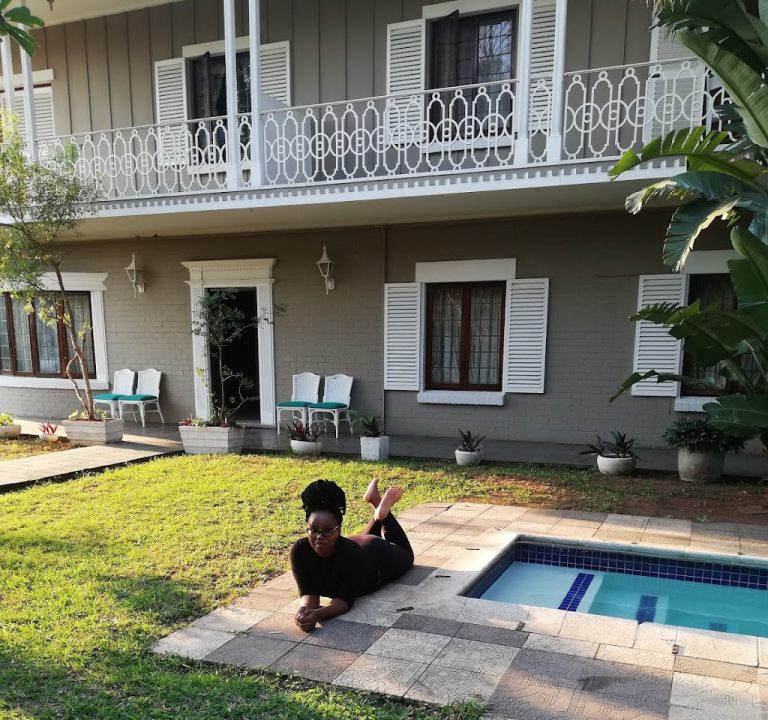
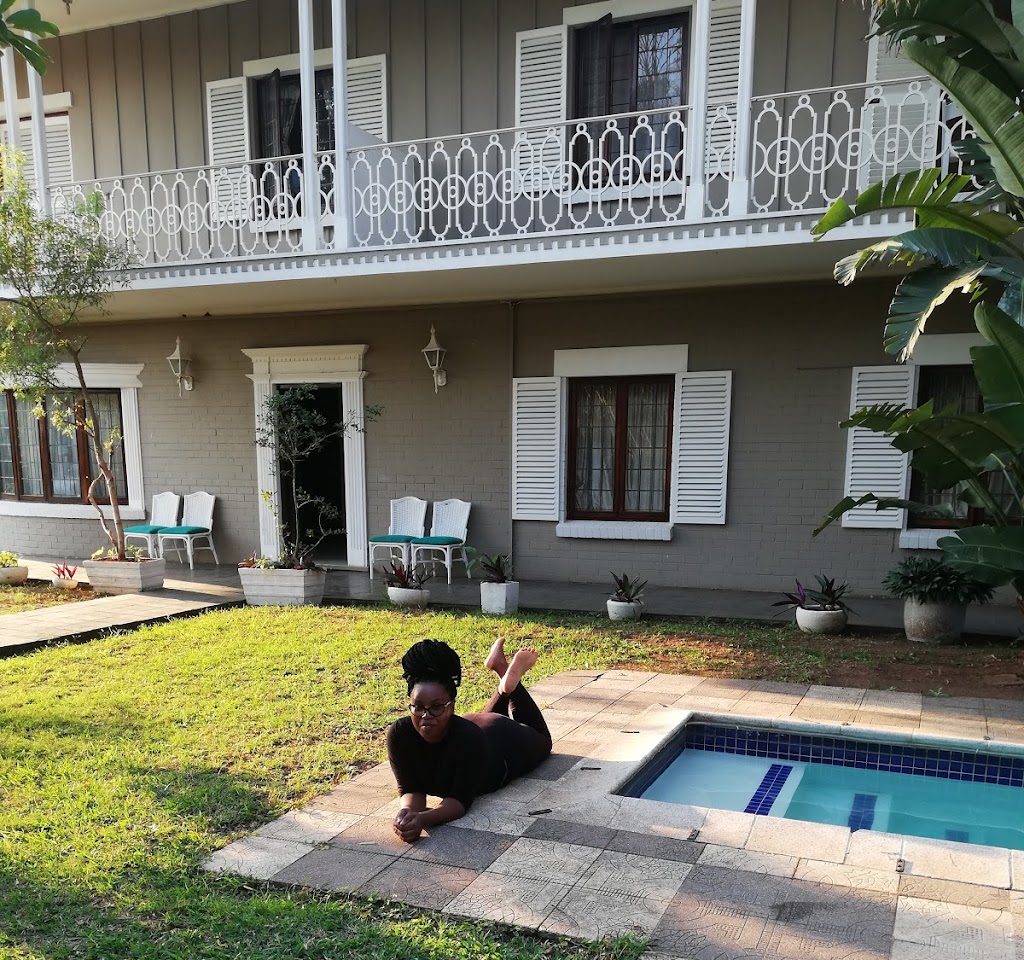
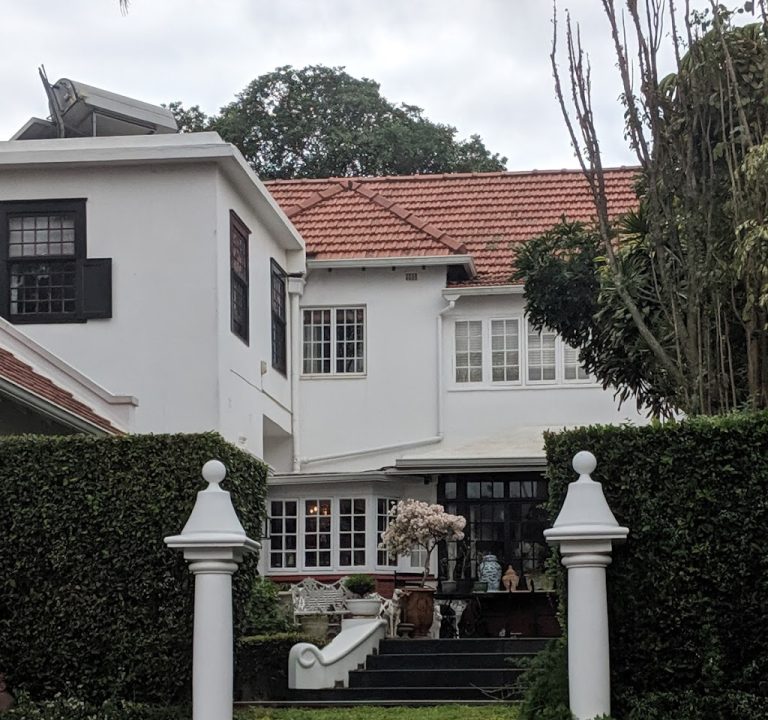
For a classic Durban experience, look to areas with easy access to the waterfront and beaches. The Golden Mile is ideal for first‑timers who want everything close at hand: sands, promenades, cafés, and a handful of family-friendly attractions. Musgrave and Glenwood provide a more residential vibe with charming guesthouses and boutique stays set back from the busiest streets, often with easy access to arcades, markets, and good dining. Umhlanga Rocks, a short drive north of the city centre, offers a holiday‑ready scene with long beaches and stylish eateries, while tiny towns along the coast invite day trips and coastal walks. If you’re after a true local flavour, consider a stay in a small B&B or guesthouse in the central city or nearby suburbs; places like GRACY B&B (as a friendly example) can offer relaxed mornings, hearty breakfasts, and hosts with tips on local routes and eateries.
When booking, think about what matters most to you. A waterfront location can mean gentle sea breezes and early morning views, but you might prefer a quieter street inland with more affordable rates or easy access to a coffee culture and urban amenities. Practical factors to weigh include:
- Proximity to transport – A base near taxis, rideshare options, or a GO Durban route can save time if you plan day trips to the Valley of a Thousand Hills, the loyal coastal villages, or inland wildlife reserves.
- Parking – If you’re hiring a car, check whether the property offers free parking or secure off‑street spaces.
- Breakfast and amenities – A generous breakfast helps you start long days exploring, and essential amenities include reliable Wi‑Fi, air conditioning, and good security.
- Safety considerations – Like any city, it pays to be mindful of your surroundings, especially after dark in some areas. Choose lodgings with strong reviews and well‑lit entrances.
- Value for money – Durban’s accommodation spectrum covers value stays with warm hospitality and mid‑range options that still feel special, alongside more polished properties with spa facilities or rooftop pools.
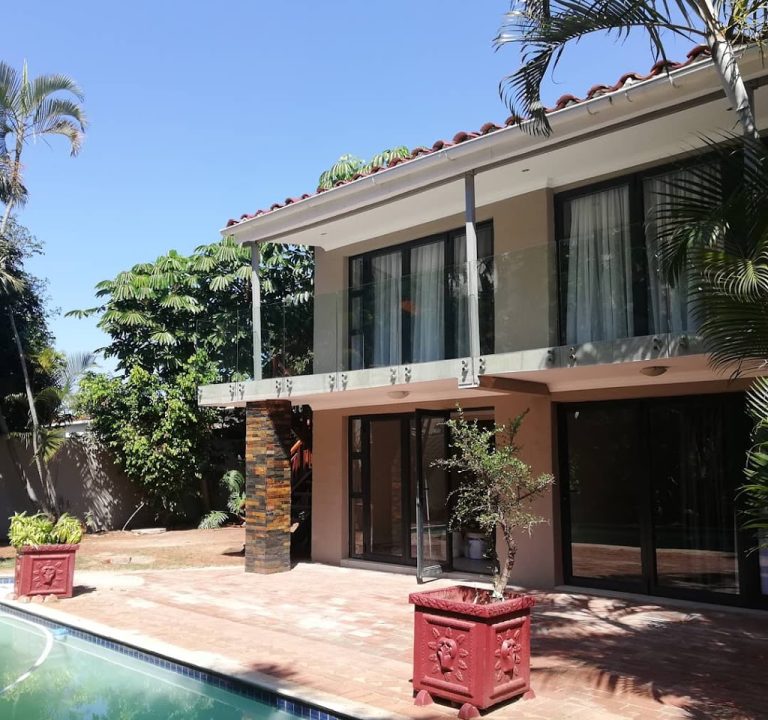
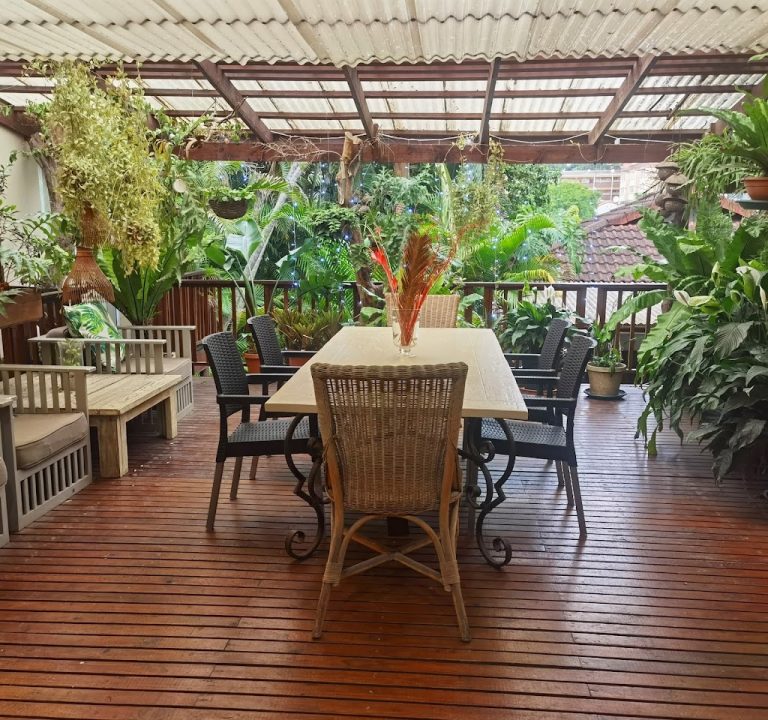
Typical amenities you may encounter include en‑suite bathrooms, ceiling fans or air conditioning, complimentary breakfast, and access to communal lounges or courtyards. Some properties offer outdoor pools, sea views, or verandahs perfect for sunset watching. If you’re travelling with families, look for spacious rooms or two‑room configurations and child‑friendly dining options. For business travellers or longer stays, consider options with work desks, reliable Wi‑Fi, and convenient access to business districts or conference facilities.
Durban’s climate is warm and humid in summer (roughly December to February) with occasional showers, making outdoor activities pleasant most of the year. Winter (June to August) is drier and cooler, ideal for exploring city centres and markets without the heat. The shoulder seasons—spring and autumn—often bring comfortable temperatures and quieter streets. If you’re keen on outdoor adventures, plan around the sea’s moods; surfing and beach days can be magical on calmer mornings or after a light breeze in the late afternoon.
Getting around Durban is straightforward with a combination of taxis, rideshares, and rental cars. The city is not excessively large by African city standards, but a car can be convenient if you want to explore beyond the coast. For urban days, you can walk along the promenade, hop on a local bus route, or use a rideshare app to reach neighbourhoods like Glenwood, Morningside, or the beachfront districts. If you’re planning more than a couple of days, a short drive to the inland hills and protected nature reserves makes for memorable day trips.
When it comes to things to do, Durban offers a balanced mix of sun, sea, culture, and cuisine. There are broad sandy beaches appropriate for families, wetlands and nature reserves nearby, and a strong Indian Ocean influence in both markets and dining. In terms of dining, you’ll find a vibrant mix of seafood shacks, curry houses, and continental cafés. For a broader food scene, explore casual eateries along tree‑lined streets in the inner city and nearby suburbs, where menus can reflect a blend of coastal influences and local spices.
Booking a stay in Durban can also be paired with a taste of local hospitality. A guesthouse or B&B frequently offers more personalised conversations with hosts who can point you to off‑the‑beaten‑path markets, cafés with live music, and public beaches that locals love. Having a flexible plan is key: you can reserve a couple of nights in a central base and then branch out to a coastal retreat or a hillside guesthouse to change the pace of your visit.
Useful links for planning your trip include regional tourism resources and national travel guides, which provide practical tips on routes, transport options, and seasonal highlights. For inspiration and practical planning, you might start with Durban and KwaZulu-Natal tourism pages and broader South Africa travel resources. These sources can help you tailor your itinerary to match your interests and the kind of stay you want in this vibrant corner of the country.