Durban: Accommodation, Attractions and Planning a Stay in KwaZulu-Natal
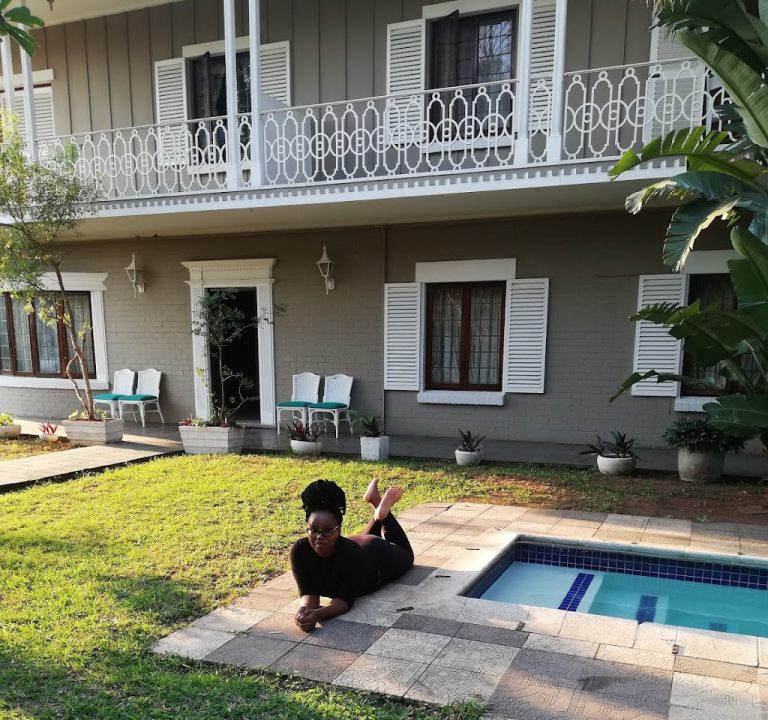
Durban sits on the eastern coast of South Africa, where Indian Ocean breezes mingle with subtropical warmth. For visitors seeking a comfortable base that blends convenient access to beaches, culture and dining, Durban offers a range of stays from stylish guest houses to intimate lodges. The Neuk Guest House represents the kind of guest-focused option that prioritises a personal welcome, a relaxed atmosphere, and practical comforts after a day of exploring the city and its surroundings.
When planning a stay, the area you choose can shape your experience almost as much as the room itself. The central business district offers easy access to museums, markets and historic architecture, while the beachfront precincts provide direct proximity to the coastline, promenades and sunset views. Suburban neighbourhoods frequently benefit from a quieter rhythm, easy parking, and hosts who can offer practical local tips. If you’re travelling with family or require easy mobility, look for properties close to main routes, with clear directions and parking arrangements.
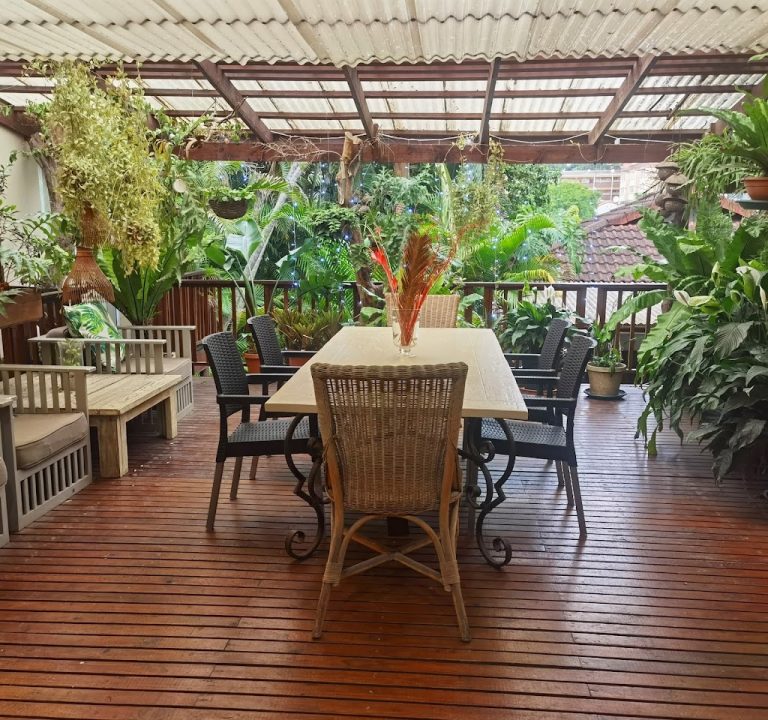
Typical accommodation options in Durban include guest houses, boutique hotels, self-catering apartments and lodge-style venues. Guest houses like The Neuk aim to combine warm hospitality with a more intimate scale than a large hotel. In general, you should look for clean, well-maintained rooms, a quiet sleeping environment, reliable air conditioning or fans, good hot water supply, and a secure entrance. A useful feature is a comfortable communal lounge or dining area where you can meet fellow travellers and exchange tips on local sightseeing.
Facilities and amenities vary, but common considerations include free Wi‑Fi, secure parking or easy access to public transport, and a reputable breakfast offering. Some properties provide bicycle rental or easy access to walking trails. If you’re visiting in peak season, an on-site or nearby option for late arrivals can be a real convenience. For business travellers, an in-room desk or a handy laptop-friendly workspace can be a practical bonus. Always check the bedding configuration (single, double, twin or family rooms) to ensure it matches your needs, and ask about room-for-rolling bed options if you’re travelling with children.
Durban’s transport links make getting around straightforward, whether you are sticking to the coast or venturing to inland attractions. The city benefits from a network of major roads and well-placed taxi or ride-hailing services. If you prefer a more relaxed pace, some areas offer easy access to the promenade for strolls along the sea, with seasonal markets and cafés nearby. For day trips, consider planning in advance how you’ll reach popular natural areas, heritage sites and nature reserves, ensuring you have clear travel times and entry details.
The best time to visit Durban depends on what you want from your trip. The city enjoys a warm subtropical climate, with summer days that can be hot and humid. Winter is mild and often dry, making it a comfortable period for exploring outdoors and enjoying pleasant evenings. Spring and autumn bring pleasant temperatures and thinner crowds. If your plans include outdoor city experiences, sunrise or late afternoon visits to beaches or coastal parks can be particularly enjoyable, while indoor attractions such as museums and galleries offer a comfortable alternative during peak heat.
In terms of planning practicalities, it helps to map a rough itinerary that balances rest with exploration. Durban offers a variety of experiences beyond sun and sea: coastal markets, arts venues, and historic districts provide insight into the city’s culture and heritage. When selecting a place to stay, consider proximity to areas you intend to visit most, and whether your accommodation can assist with local recommendations or help arrange tours. Many guest houses, including intimate properties like The Neuk Guest House, can arrange personalised guidance, tailored itineraries, or short walks that showcase local cuisine, crafts, and viewpoints.
Dining and social experiences in Durban range from informal seaside cafés to more refined eateries that highlight regional flavours. General restaurant choices in the city focus on seafood, Indian-influenced dishes, and vibrant street-food inspired meals. When researching options, look for places with good neighbourhood character, a relaxed atmosphere, and the ability to accommodate dietary preferences. Since rates and menus vary seasonally, it’s wise to check opening hours and whether reservations are advised, especially on weekends or during events.
Practical tips for a smooth stay include checking your host’s arrival instructions, confirming check-in times, and understanding how access is managed after hours. Pack comfortable walking shoes for coastal promenades and uneven pavements in historic districts, and bring sun protection for daytime exploration. If you plan to self-cater, confirm kitchen facilities, groceries nearby, and any shared-use policies. For families, ask about child-friendly room configurations and whether you can securely store valuables. Finally, leave a little room in your itinerary for spontaneous discoveries—the city’s markets, street food corners and friendly neighbourhoods often yield memorable moments beyond the guidebook.
- Areas to consider: coastal beachfront for sea access; central districts for museums and markets; quieter suburbs for a relaxed atmosphere and easier parking.
- Booking tips: read guest reviews, verify amenities, and confirm parking or transport options prior to arrival.
- What to look for: reliable hot water, comfortable beds, quiet rooms, and friendly hosts who can provide local insights.
- Best time to visit: consider mild seasons for outdoor activities; plan indoor visits during peak heat or rain.
- Practicalities: check check-in procedures, security features, and accessibility if required.