Accommodation and Experiences in Cape Town: Where to Stay and What to Do
Cape Town offers a diverse mix of places to stay and a broad spectrum of experiences, from hillside boutique guest houses to family-friendly lodges near the coast. When planning a visit, it helps to align your accommodation with the areas you want to explore, the pace you prefer, and the transport options you’re comfortable with. A well-chosen base can cut transit time, maximise sightseeing, and leave you more energy for enjoyment.
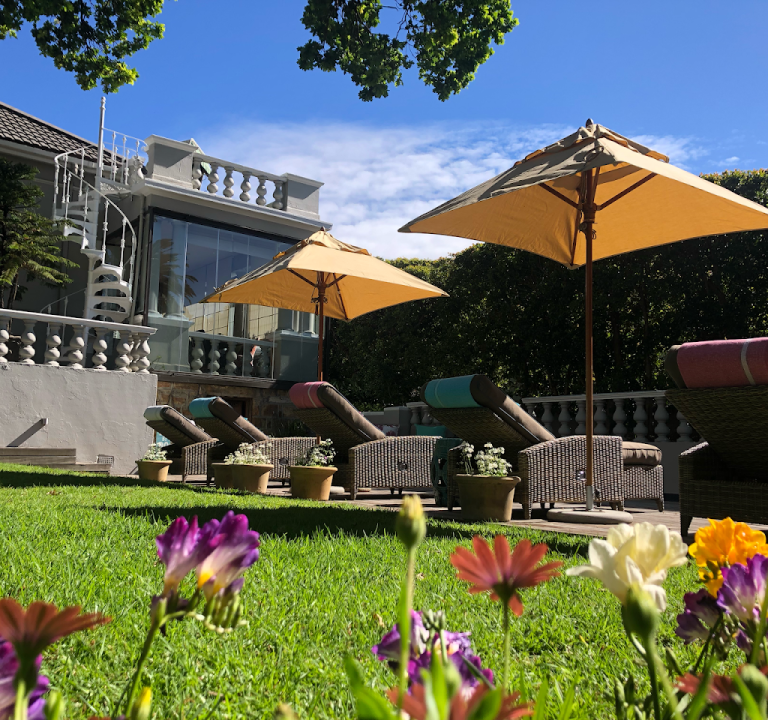
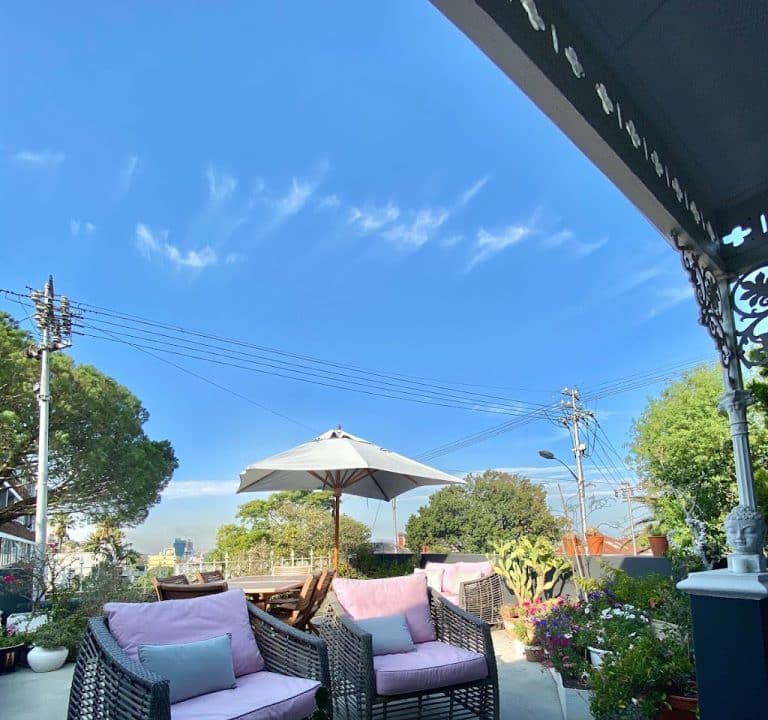
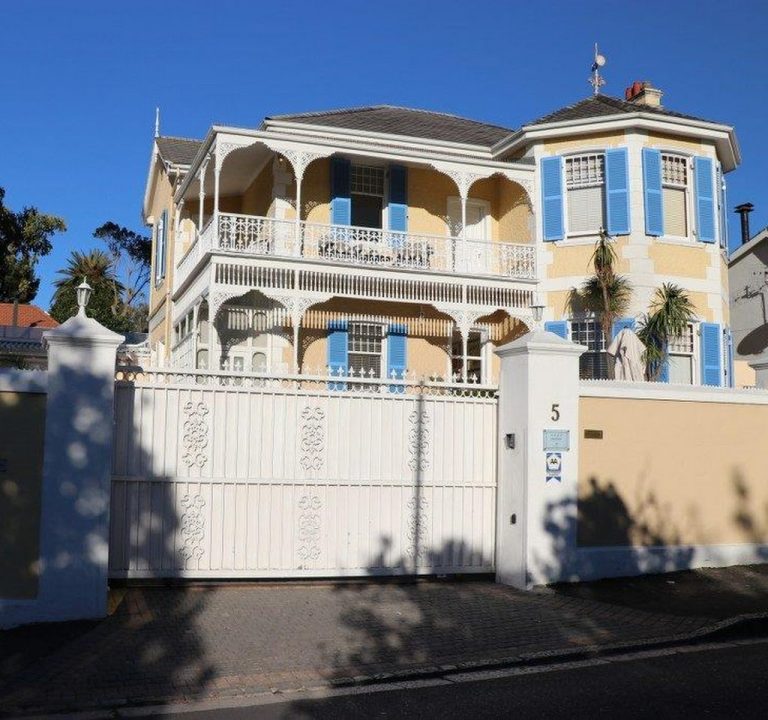
The Trevoyan Guesthouse, a charming example of a guest house in Cape Town, showcases the kind of personalised service and homely atmosphere that many travellers seek. It represents a style of stay where hosts can share local tips, help with planning day trips, and provide breakfast or light meals that suit the day’s plans. If you’re considering booking, you can visit the property’s website to view room configurations and the amenities offered: The Trevoyan Guesthouse.
Accommodation options span bustling city-centre boutique stays, leafy hillside inns, coastal guest houses, and family-friendly lodges in quieter neighbourhoods. When choosing where to stay, consider access to public transport, driving distances to the main sights, and proximity to neighbourhoods with good dining and nightlife. A central district can be convenient for museums and galleries, while near-the-water locations offer quick access to beaches and seafood restaurants. If you prefer a tranquil retreat, look for properties with views, gardens, or balconies that let you enjoy the Atlantic breeze.
What to look for when booking:
- Location and access to transport: easy rides to the V&A Waterfront, Table Mountain, Kirstenbosch Gardens, and the Cape Winelands day trips.
- Amenities that suit your plans: reliable Wi-Fi for travel planning, storage for outdoor gear, secure parking if you’ll rent a car, and breakfast options if you’ll start early.
- Room configuration and privacy: en-suite bathrooms, space for luggage, and quiet in the evenings if you plan early starts.
- Host hospitality: some guest houses offer guided walks, cooking or local tour recommendations, and flexible check-in arrangements.
- Accessibility and safety: well-lit common areas, clear emergency information, and procedures that suit families or solo travellers.
Typical amenities you might encounter include en-suite bathrooms, blackout curtains for restful mornings, tea and coffee facilities, air conditioning or heating, and in many cases, access to a small kitchenette or shared lounge. Outdoor spaces—balconies, verandahs, or gardens—are highly valued in Cape Town’s climate, providing a place to unwind after a day of sightseeing. Some properties offer transfer services or arranged tours, which can simplify logistics when you’re new to the city.
Transport and getting around:
Cape Town’s public transport options range from MyCiTi buses to a comprehensive rail link and local taxis. If you plan long Day trips, a rental car gives you flexibility to explore beyond the city, including the nearby Cape of Good Hope, cliffs, and coastal towns. If you rely on public transport, choose accommodation with good proximity to bus routes or a metro line, and check with hosts about the best ways to reach popular areas. Many visitors pair a stay in the City Bowl or Gardens with a few nights in a coastal suburb to enjoy sea views and calmer streets.
The best time to visit Cape Town depends on your priorities. Summer (November to March) brings longer days, warmer seas, and lively outdoor events, but can be busy. Spring (September to November) offers pleasant weather for hiking and sightseeing with fewer crowds in some areas. Autumn (April to May) and winter (June to August) are cooler and can be rainier, yet the city remains vibrant, with fewer crowds at major attractions and lower accommodation prices outside peak holiday periods. If you’re chasing good coastal conditions for walks and sea swims, plan around the southern Atlantic winds and the mountain’s microclimates.
Activities and attractions in broad terms:
- Iconic landscapes and nature: Table Mountain, national parks, coastal viewpoints, and nature trails that suit all fitness levels.
- Beaches and outdoor recreation: safe swimming beaches, windsurfing or kitesurfing spots, and scenic coastal walks along the Atlantic Seaboard.
- Culture and heritage: museums, galleries, and historic neighbourhoods that offer insight into Cape Town’s diverse past and present.
- Food and drink: markets, casual restaurants, and seafood spots along the coastline, with a focus on fresh produce and vibrant flavours.
- Wine estates and day trips: half- or full-day excursions to nearby wine regions, with guided tastings and views of rolling vineyards.
Practical tips for a smooth stay:
- Book flexible rates when possible, especially if your travel dates potentially shift due to weather or events.
- Bring a good map or offline navigation, as some areas have limited mobile signal indoors or in remote spots.
- Pack layers for changing weather—Cape Town can be sunny by day and cool in the evenings, particularly near the coast.
- Respect residential areas and local etiquette; many guest houses rely on quiet streets and considerate guests to maintain a pleasant neighbourhood vibe.
- Check for seasonal seasonal advisories and plan day trips with realistic timings to avoid rushing.
Whether you are drawn to a cosy guest house with personalised service, a stylish city-centre boutique, or a coastal lodge with sea views, Cape Town offers countless ways to tailor a stay to your interests. By selecting a well-situated base, prioritising essential amenities, and planning transport in advance, you can make the most of the region’s scenery, culture, and gastronomy while enjoying a comfortable and convenient home away from home.