Cape Town in Comfort: Where to Stay and What to Experience
ACape Town offers a bounty of accommodation styles, from intimate guest houses to stylish boutique hotels and family-run lodges. When planning a stay, it helps to think in terms of neighbourhoods and travel rhythms. The city’s geography rewards staying in well-connected areas with easy access to sights, dining, and outdoor pursuits. A good starting point is to identify a base that matches your pace—whether you want sea views, leafy residential charm, or a central launchpad for day trips.
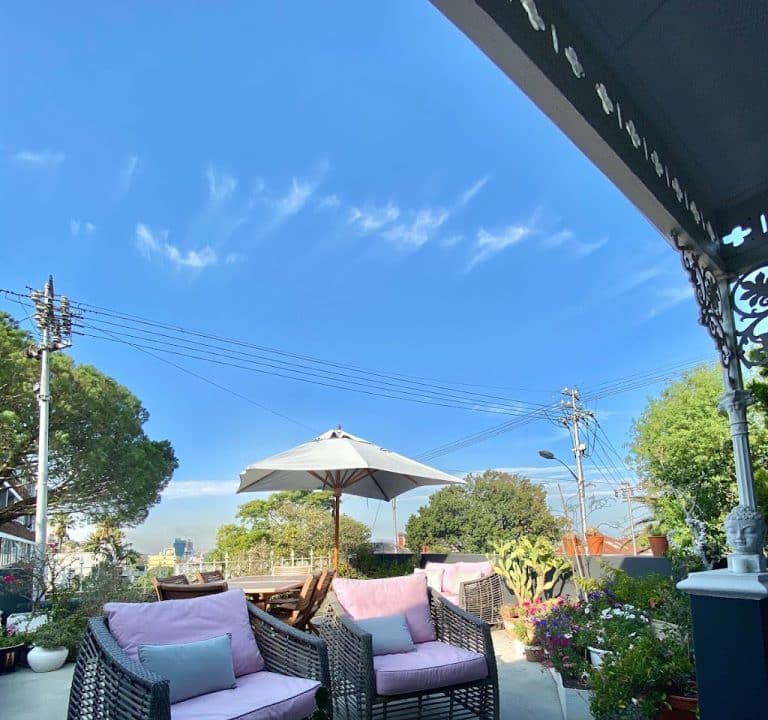
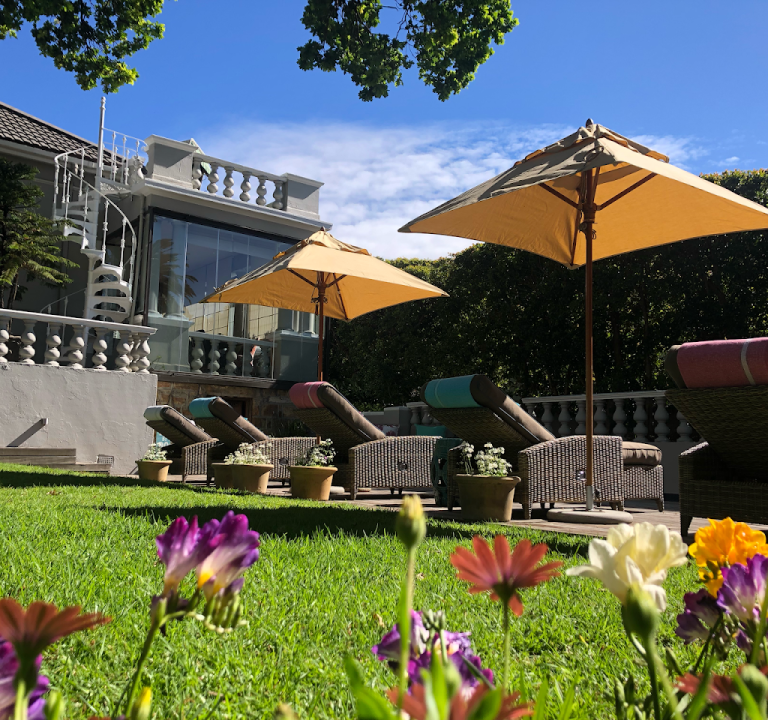
One excellent option for visitors seeking a personable experience is a guest house such as Adams Place Guest House, which represents the traditional guest house model: comfortable rooms, a friendly atmosphere, and breakfast serving as a gentle harbour before long days of exploring. In more modern terms, city-centre stays around the Cape Town CBD or the adjacent areas provide quick access to museums, markets, and theatre, while venues along the Atlantic Seaboard offer scenic walks and beaches within easy reach. If you prefer a vineyard flavour with a relaxed pace, the Southern Suburbs and Constantia Valley give a countryside ambience with proximity to wine estates and hillside hikes. Somerset West and Kalk Bay are other tempting options that blend coastal charm with easy drives to the city centre.
When planning where to stay, consider these areas and their character:
- City Bowl and the Cape Town CBD: central, convenient for daytime sightseeing, museums, and nightlife; best for walkers and transit users.
- Atlantic Seaboard (Green Point, Bantry Bay, Sea Point, Clifton, Camps Bay): sea views, promenades, and a breezy resort feel; often excellent for early morning runs and sunset dinners by the water.
- Constantia and the Southern Suburbs: leafy streets, large guest houses and boutique hotels; great for a slower pace, hiking, and wine estates.
- Kalk Bay and Muizenberg: coastal villages with a laid-back vibe, good seafood, and easy access to the False Bay coastline.
Typical amenities you might expect include private ensuite bathrooms, Wi‑Fi, daily housekeeping, and secure parking. Many guest houses and small hotels offer breakfast inclusions, sometimes with options for dietary preferences. In larger hotels you may find facilities such as a pool, gym, on-site restaurant, business centre, and concierge services. If you value a personal touch, look for hosts who can offer local recommendations, maps, and flexible check-in arrangements, particularly if your flight arrives late or you’re planning a short layover in the city.
Transport in Cape Town is practical, though it helps to plan in advance. The MyCiTi bus network covers major routes and is changing continuously, with rapid changes expected as the system expands. The city’s rail network can connect you to major hubs and southern beaches, but it’s wise to check current timetables and safety guidance. Taxis and ride-hail services operate widely. If you’re staying in a tourist-friendly neighbourhood, you may find that walking or short rides are perfectly feasible for most day trips. For day excursions to sights like Table Mountain or Cape Point, many accommodation providers can arrange or recommend trusted tour operators and private drivers.
Best time to visit Cape Town depends on what you’re chasing. Spring (September to November) and autumn (March to May) offer mild weather and calmer crowds. Summer (December to February) is vibrant, with long days and lively beaches, but it can be busier and pricier. Winter (June to August) brings cooler, wetter weather and a different mood, which some visitors find refreshing and less crowded. If you’re planning outdoor activities such as hiking or marine wildlife watching, these seasons will influence what you wear and how you pace your days.
Practical tips for a smooth stay:
- Check the exact location on a map and review access to public transport or parking options.
- Look for clear cancellation terms and any housekeeping policies that suit your travel style.
- Ask about safety features in the area and how to reach emergency services quickly if required.
- Request guidance on nearby markets, family-friendly eateries, and safe swimming spots.
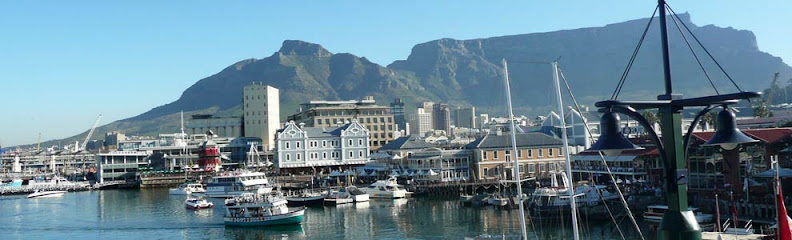
When you plan a Cape Town itinerary, blend cultural stops with natural beauty: the view from Table Mountain, an excursion to the Cape Peninsula, and a stroll through historic districts or markets can all be achieved within a compact travel radius. Dining in Cape Town is as varied as the landscape—local eateries tend to showcase fresh seafood, South African favourites, and global flavours, with many places focusing on seasonal ingredients and sustainable sourcing. For those seeking a balanced mix of rest and exploration, choosing a well-situated guest house or hotel, such as Adams Place Guest House, can provide both a comfortable home base and a doorway to some of the Western Cape’s finest scenery and experiences.