Exploring Cape Town: Accommodation, Attractions and Practical Tips for a Comfortable Stay
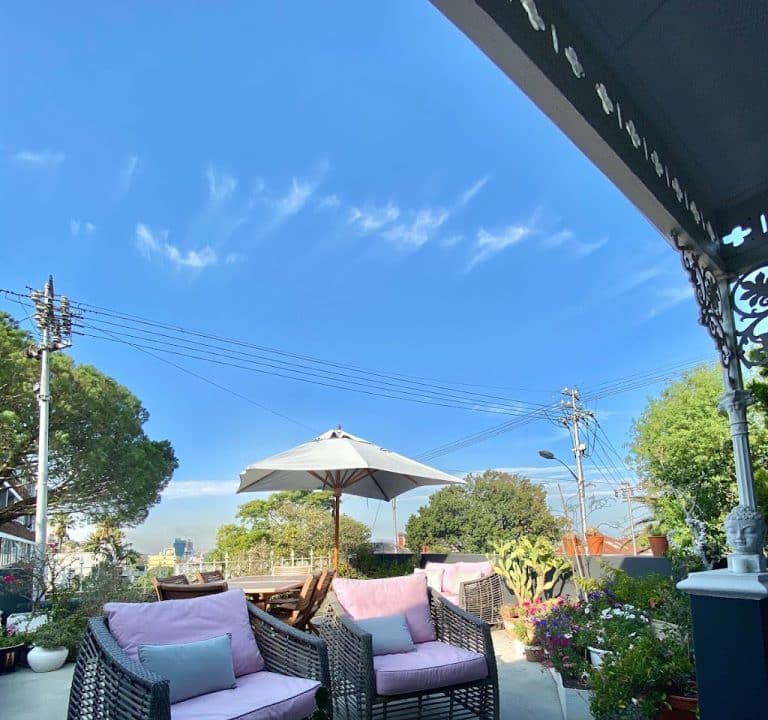
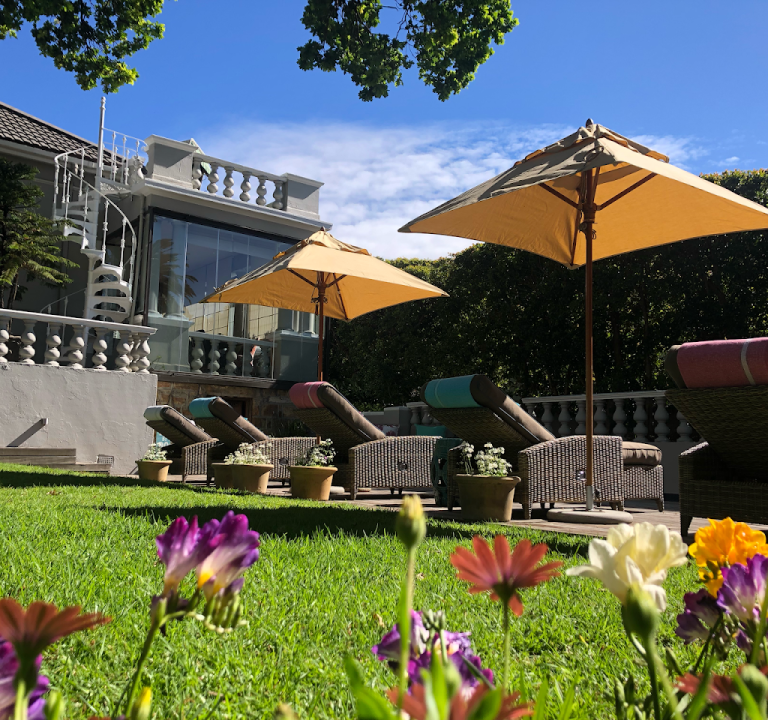
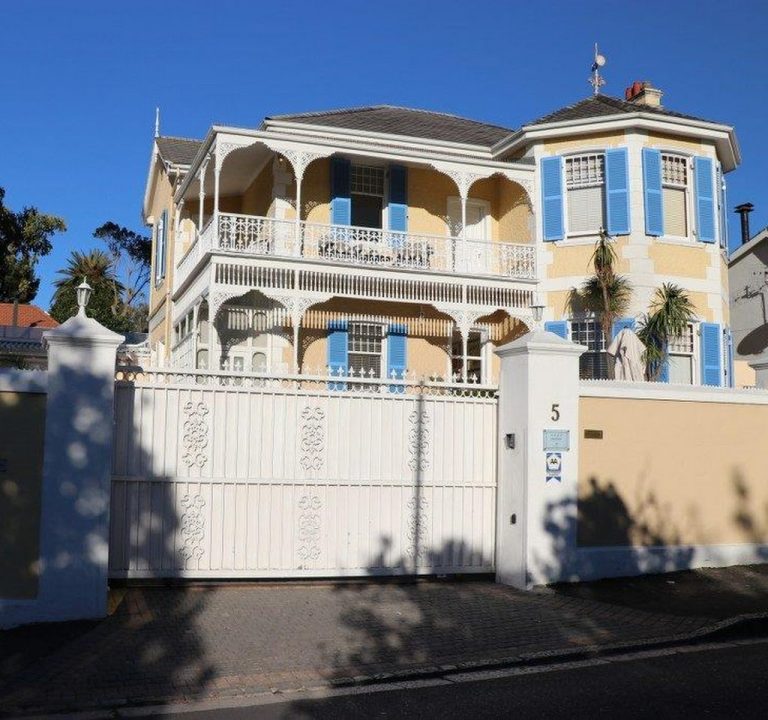
Cape Town in the Western Cape is a destination where dramatic landscapes meet vibrant city life. When planning a stay, consider the mix of neighbourhoods that suit different travel styles—from harbour views and dining hubs to leafy suburbs with easy access to nature. For an authentic experience, you might look at guest houses and small hotels that offer personalised service and a sense of place, such as Gilmour Hill, a guest house with a reputation for warm hospitality and thoughtful details.
Accommodation in Cape Town spans stylish boutique guest houses, self-catering apartments, and family-friendly lodges. In areas close to the waterfront and central city, you’ll find options with easy access to cafés, markets and public transport. If you prefer a beachside atmosphere, Atlantic Seaboard towns such as Sea Point and Green Point provide a breezy, walkable base with excellent views and proximity to the coastline. For a more scenic retreat a little farther up the hill, you’ll discover neighbourhoods with panoramic vistas of Table Mountain and the surrounding valleys. When choosing where to stay, think about what you want to be near: the water, museum routes, markets, nightlife, or quieter streets with garden spaces and parking.
What to look for when booking follows a few practical principles. Confirm whether the property offers secure parking if you’re driving, and check if the room has en-suite facilities or a private bathroom. Look for a comfortable bed setup, adequate heating or cooling, and reliable hot water. If you travel during peak season, consider properties with flexible cancellation policies and clear accessibility information. A guest house or small hotel often provides a more personal touch than larger chains, including locally sourced breakfast options, guided tips on self-guided experiences, and curated recommendations for dining and day trips.
Typical amenities you may encounter include breakfast options (from continental to hot dishes), free Wi‑Fi, and laundry facilities. Some guest houses provide shaded outdoor spaces, communal lounges, and secure entry systems. If you plan day trips, a property with good transport links or a helpful front desk can be invaluable. In Cape Town, close-to-centre locations will shorten travel times to major attractions, while hillside properties often offer quiet streets and striking views. For more rustic experiences, some lodges and guest houses are positioned on the outskirts of the city where you can easily walk to markets or tuck into scenic viewpoints after a day of exploring.
Getting around Cape Town is straightforward but planning ahead saves time. The MyCiTi bus network offers bus routes across the city with central hubs near popular districts, while rail connections can link the city centre with southern suburbs. Many visitors also rely on ride-hailing apps or car hire to maximise flexibility, especially if you plan to visit spots outside the city bowl or make a day trip to the Cape Peninsula. If you stay within walking distance of the V&A Waterfront, two wheels or a short ride can take you to museums, galleries and parks without much hassle.
Best time to visit Cape Town depends on what you’re seeking. Spring (September to November) and autumn (March to May) are pleasant for outdoor activities, with milder temperatures and fewer crowds than peak summer. Winter (June to August) brings cooler weather and the possibility of rain, but wildlife sightings and lower prices in some areas can balance the experience. For beach days and outdoor adventures, summer offers long days and sunny skies, though it is when popular sights can be busiest and accommodation tends to book up quickly. Always check local event calendars for festivals, markets and sporting or cultural happenings that can enrich your itinerary.
When planning an itinerary, consider combining city sights with nature encounters. Iconic landscapes such as the Table Mountain massif provide options for cable car rides and guided walks, while the surrounding areas offer coastal hikes, wineland excursions in nearby Stellenbosch or Constantia, and colourful neighbourhood markets. In terms of food, Cape Town’s dining scene ranges from casual eateries with regional favourites to refined venues focusing on seafood, grilled fare and contemporary South African cuisine. To keep expectations realistic, many restaurants and cafes specialise in seasonal menus, so you’ll often find fresh, locally sourced ingredients rather than fixed-price signatures.
Practical tips to help you enjoy a smooth stay:
- Book accommodation with clear policies and direct contact options for questions about bedding, parking, or accessibility.
- Pack layers to adapt to changing temperatures, especially if you are visiting the coast or Table Mountain areas where microclimates can occur.
- Plan travel times to popular sights to avoid peak traffic and to maximise daylight hours for outdoor activities.
- Budget for a mix of experiences: a couple of relaxed days at your base, plus a few day trips to nearby towns and viewpoints.
- Respect local safety guidelines and ask hosts for recommended walks, markets and safe transit routes in the area.
Whether you choose a cosy guest house like Gilmour Hill or a modern city hotel, Cape Town rewards travellers with a blend of natural splendour, cultural richness and culinary variety. With thoughtful planning and flexible timing, you can craft a balanced itinerary that showcases the city’s coastal beauty, outstanding viewpoints and vibrant neighbourhoods, all within a comfortable and well-supported stay.