Accommodation and Experiences in Cape Town: Where to Stay and What to Do
Cape Town is a dynamic destination where a stay can be tailored to almost any travel style. From stylish homestays and boutique guesthouses to contemporary hotels nestled along the Atlantic coast, the city offers a spectrum of options that suit both a quick break and a longer exploration. When planning a visit, consider two or three core neighbourhoods as bases, then venture further to enjoy the city’s varied scenery—from mountain viewpoints to historic harbour precincts.
For a balanced experience, think about areas in and around the City Bowl, the Atlantic Seaboard, and the Constantia valley. The City Bowl places you at the heart of urban life, with easy access to museums, markets and cafés. The Atlantic Seaboard offers dramatic sea views and stylish stays close to beaches and restaurants, while Constantia provides leafy tranquillity, wine estates and expansive gardens within a short drive of central Cape Town. If you are interested in a more industrial-chic vibe, neighbourhoods like Woodstock and observant corners of the inner city can yield unique homestays that offer a glimpse into daily life as well as convenient access to public transport and pistes of cultural activity.
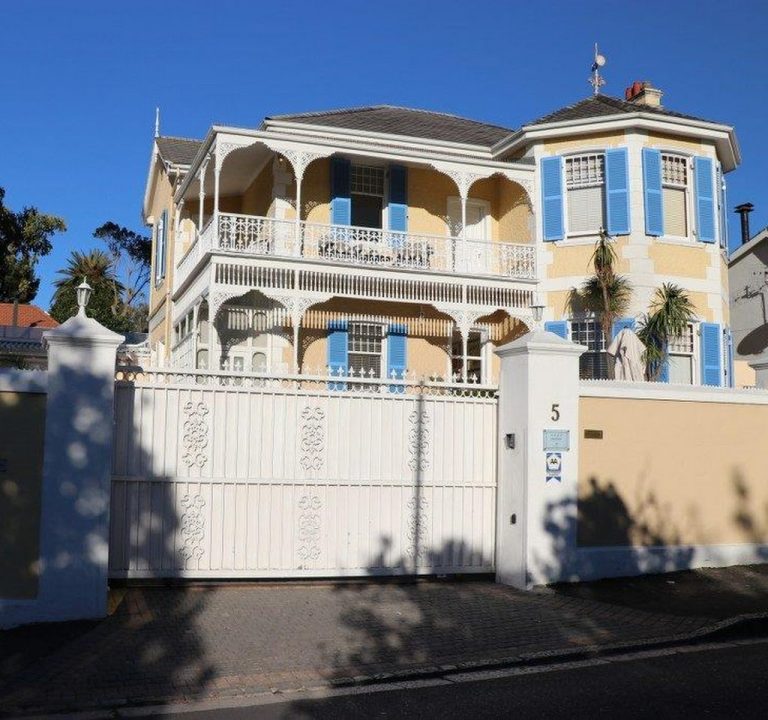
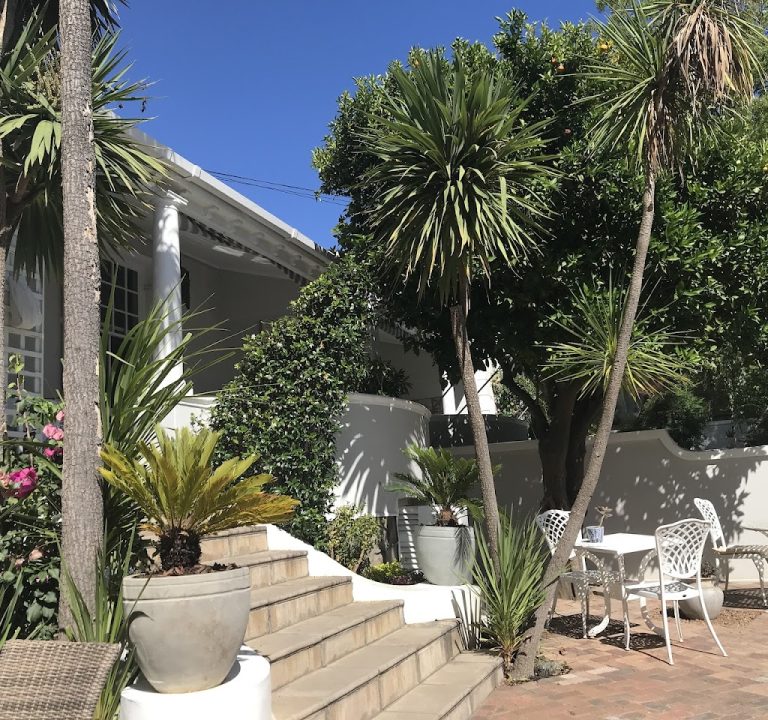
When selecting accommodation, look for certain practical features that make a visit smoother. A private en-suite bathroom, reliable wi‑fi, air conditioning or heating, and a well-equipped kitchenette or tea/coffee facilities can make a big difference for a comfortable stay. In addition, note whether the property offers secure parking or is within easy walking distance to transit routes. If you plan to explore beyond the city, a host that can arrange local recommendations or tours is a helpful bonus. The Blue House, a notable homestay in a leafy district, is an example of how a welcoming living space and thoughtful touches can set the tone for a relaxed visit.
Transport in Cape Town is varied and generally straightforward. The MyCiTi bus network offers routes across the metropolitan area, while Uber and other rideshare services provide convenient door-to-door options. For greater flexibility, especially if you plan to visit wine country or the Cape Peninsula, renting a car can be practical. Remember that road rules in South Africa may differ from those at home, and certain routes are best approached with local knowledge, especially along coastal climbs and in busy urban cycles. If you prefer a quieter approach, many guesthouses and boutique stays arrange transfers or can point you toward reputable local drivers.
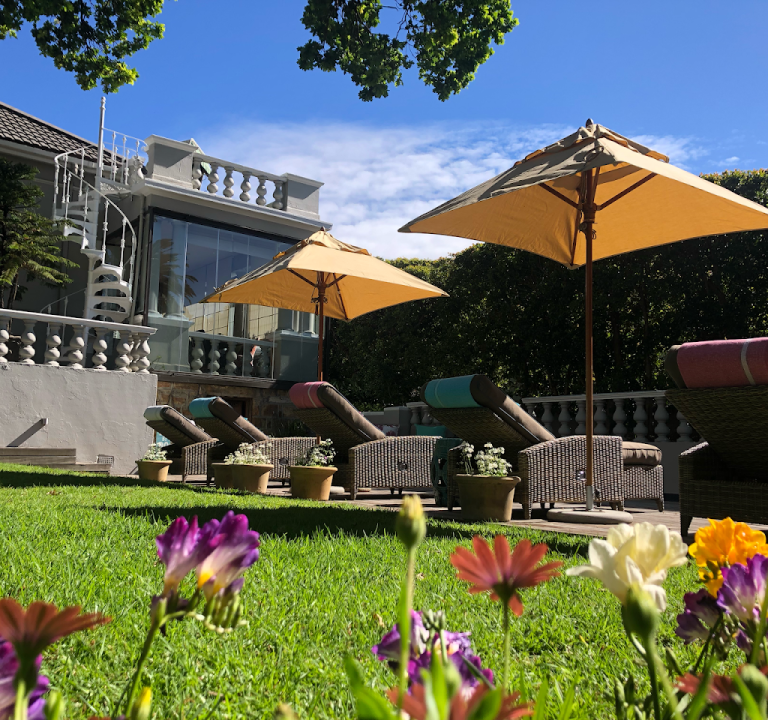
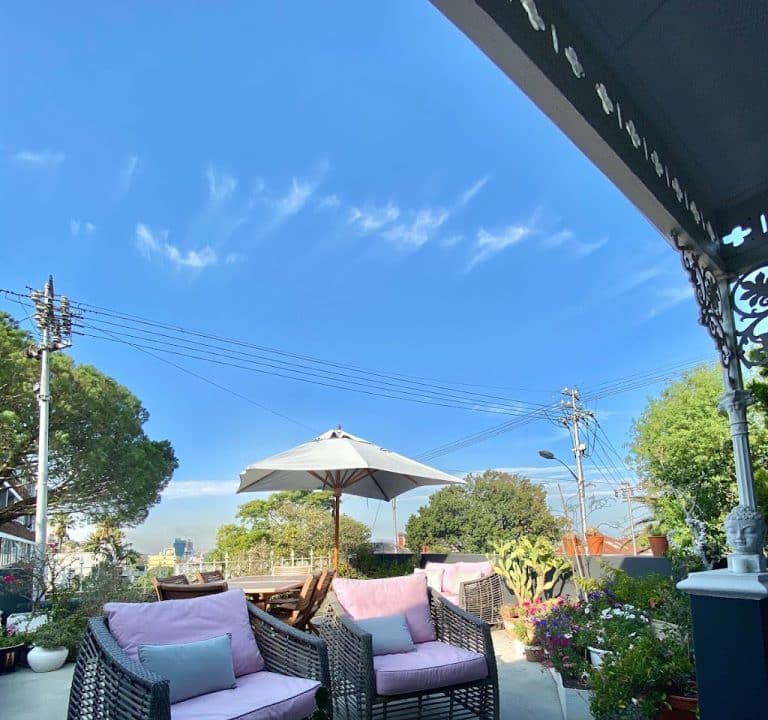
Typical amenities across well-rated properties in Cape Town include comfortable en-suite bedrooms, daily housekeeping, secure Wi‑Fi, and generous common spaces for socialising or relaxing after a day of sightseeing. Breakfast is frequently included, ranging from continental spreads to more substantial options inspired by South African flavours. Some establishments offer plunge pools or small terraces with sea or mountain views, while others may feature communal kitchens or cosy lounge areas to unwind with a book or a glass of wine after sunset.
Planning the best time to visit depends on what you hope to experience. The summer months (December to February) bring long days, warm seas, and outdoor dining scenes along the coast. Autumn (March to May) and spring (September to November) offer milder weather and fewer crowds, which can be ideal for hiking Table Mountain, visiting nature reserves, or enjoying city markets without peak-season bustle. Winter (June to August) brings cooler days and the possibility of rain, but it also opens opportunities to enjoy cultural events, indoor attractions, and lower rates on some stays. Be mindful of load shedding, which can affect power supply for some hospitality establishments; many places plan for this with generator back-ups or limited downtime during evenings.
What to do and where to eat (in broad terms):
- Take a cable car or hike to a mountain viewpoint to absorb sweeping panoramas of the city and coastline.
- Explore the V&A Waterfront and nearby historic harbour precincts for strolls, markets, and relaxed dining with sea views.
- Sample South African flavours at casual bistros and family-friendly eateries, where dishes often celebrate fresh seafood and seasonal produce.
- Walk the colourful market streets for art, crafts, and locally produced goods, or join a guided walking tour to learn about Cape Town’s diverse history and vibrant neighbourhoods.
- Visit wine estates and gardens in the surrounding regions, such as Constantia or nearby Paarl and Stellenbosch, for day trips or short getaways from the city.
When it comes to practical tips, book accommodations with a clear cancellation policy and flexible dates if your plans may shift. Pack layers, as coastal weather can change quickly, and bring sturdy footwear for walks up Table Mountain or along the scenic coastal paths. Respect local safety guidelines, especially in busy urban areas, and plan evening activities with sensible times and transport options in mind. If you are staying in a homestay or guesthouse, communicating your needs in advance can help hosts prepare a more personalised experience, from dietary preferences to accessibility considerations.
Finally, ensure you have a reliable plan for how you will spend your days. Cape Town rewards visitors who balance iconic sights with leisurely exploration—whether you are watching the sun slip behind the Atlantic from a balcony or wandering through quiet streets and markets at your own pace. For more about travel ideas and practical planning, consider visiting official tourism resources and reputable travel guides to tailor your stay to your interests and pace.