Cape Town: Accommodation, attractions and practical planning for a memorable stay
Cape Town offers a rich mix of accommodation styles, from elegant city hotels to intimate guesthouses and stylish boutique stays. When planning a visit, consider areas that suit your rhythm—whether you want easy access to historic sights, dramatic coastal views, or vibrant nightlife and dining. Heatherfield Manor, a well-regarded option in the region, illustrates how a comfortable base can combine period charm with modern conveniences. It’s worthwhile to match your choice of lodging with your planned activities and preferred pace of travel.
Areas to consider start with the City Bowl and the Atlantic Seaboard. The City Bowl provides a central base within walking distance of museums, theatres and a broad range of restaurants, while the Atlantic Seaboard, including Camps Bay and Clifton, offers sweeping coastline views and a resort-like ambience. Constantia and nearby Winelands provide a more relaxed, leafy setting with easy access to wine estates and excellent dining in a countryside atmosphere. For a lively harbour vibe, the Victoria & Alfred (V&A) Waterfront area is convenient for day trips, boat excursions and cosmopolitan dining. When selecting your area, think about transport options and how you plan to move around.
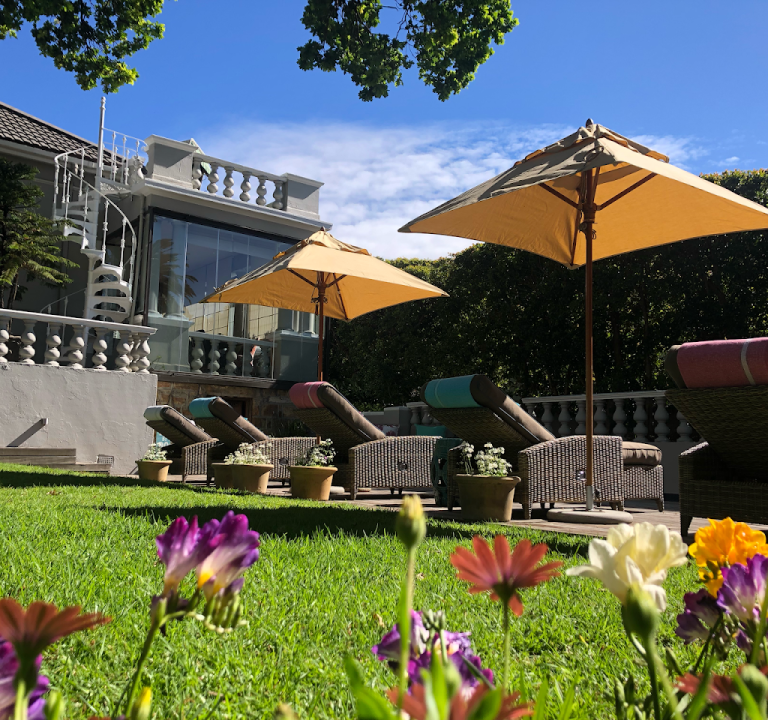
Typical hotel and guesthouse amenities in Cape Town include reliable Wi-Fi, breakfast options (from continental to full cooked), on-site parking or secure parking arrangements, air conditioning or good ventilation for warmer months, and helpful concierge or desk services to arrange tours. Many properties provide pool facilities, garden spaces or terraces with city or sea views, and some offer self-catering units or kitchenettes for flexibility. If you are travelling with family or friends, an apartment-style stay can be particularly convenient, while those seeking a romantic break may prefer rooms with private balconies and views over the ocean or Table Mountain.
Practical planning tips can make a substantial difference. Booking in advance for peak seasons—such as the spring and early autumn shoulder periods, or during school holidays—helps secure the best locations and rates. Consider how you’ll get around: Cape Town has a well-used city transport network, car hire is common for exploring the surrounding areas, and ride-hailing services are convenient for short trips. If you intend to hike or visit popular viewpoints, a car can be beneficial, though some areas are accessible by reliable public transport or organised tours. Parking policies vary by property, so check whether your stay includes secure parking or street parking limitations.
Corresponding with your interests, plan a mix of iconic sights and time to wander. The area around Table Mountain offers cable car rides (weather permitting) and a host of vantage points for dramatic panoramas. Around the V&A Waterfront, visitors typically explore cultural centres, museums and harbour views, and there are several company-operated boat trips and excursions to nearby coastal highlights. The Cape Peninsula drive rewards with coastal scenery, viewpoints and penguin colonies in their natural settings. Kirstenbosch National Botanical Garden is a superb day out for gardens lovers and offers shaded paths and sweeping views of the Table Mountain amphitheatre. In addition to natural attractions, Cape Town has a diverse culinary scene ranging from casual cafés to refined dining, with many places showcasing fresh seafood, seasonal produce and modern South African cuisine.
- Best time to visit: aim for spring (September to November) or autumn (March to May) for milder weather and fewer crowds, though Cape Town can be pleasant year-round. Summer brings longer days and lively outdoor spaces, while winter offers cooler, wetter periods and a different, cosy atmosphere in indoor venues.
- Practicalities: check ahead for seasonal road closures or windy conditions that can affect coastal drives or mountain routes. Confirm breakfast and parking options with your host or hotel, and inquire about shuttle or transfer services if you plan day trips to wine estates or to the Cape winelands beyond the city.
- Local experiences: consider guided walks or township introductions led by reputable operators, while always prioritising safety, respectful engagement and responsible tourism practices. Combine scenic drives with cultural or culinary experiences to create a well-rounded stay.
When researching accommodation, take into account flexibility in cancellation policies, room configurations for your party, and the proximity to the sights you most want to visit. Guest reviews can illuminate aspects such as the warmth of service, the cleanliness of rooms, and the reliability of housekeeping, which are often as important as the size of the spa or the gloss of the lobby. If you have a particular dietary preference or mobility needs, mention these in advance to ensure the property can accommodate them. Finally, plan a balanced itinerary that includes at least one full day dedicated to the natural landscape—whether a Table Mountain excursion, a coastal drive or a stroll through a botanical garden—to anchor your stay in the magnificence of Cape Town’s scenery.
For further inspiration and practical details, explore official tourism resources and reputable travel guides. A well-chosen base combined with thoughtfully selected activities can help you enjoy Cape Town at a comfortable pace, making it easier to savour the city’s hospitality, landscapes and culinary offerings without feeling overwhelmed by the breadth of options.